Your Ultimate Cruelty-Free Beauty Products Canada List
June 20, 2026 17 min read 3,447 words
Navigate the Canadian beauty market with confidence, knowing your choices support a kinder, more ethical world.
Find Your Favorites
Navigating the Cruelty-Free Landscape in Canada
 Photo: İdil Ceren Çelikler / Pexels
The landscape of cruelty-free beauty in Canada has undergone a significant transformation, offering consumers more clarity and choice than ever before. With the implementation of the new federal ban on cosmetic animal testing in Canada, which officially came into effect in December 2023, the nation has taken a monumental step towards a more ethical beauty industry. This legislation prohibits testing cosmetics on animals in Canada, selling cosmetics that have been tested on animals elsewhere, and making false or misleading claims about animal testing. This means that any new beauty product entering the Canadian market, or any existing product sold within it, must adhere to these compassionate standards. This is a huge win for animal welfare and for consumers who prioritize ethical purchasing. However, it's crucial to understand that while the ban addresses animal testing, it doesn't automatically mean all products are 'vegan.' Cruelty-free specifically refers to the absence of animal testing, whereas vegan products contain no animal-derived ingredients whatsoever. A product can be cruelty-free but still contain ingredients like beeswax, honey, or carmine. Therefore, for those aiming for both cruelty-free and vegan, an additional layer of scrutiny is required. Understanding the nuances of these terms is the first step towards truly informed and ethical beauty choices. Canada's commitment to ending cosmetic animal testing aligns it with over 40 other countries globally that have enacted similar bans, pushing the beauty industry towards innovative, animal-free testing methods. This legislative change not only protects animals but also encourages scientific advancement within the cosmetic sector, fostering a new era of responsible product development. Consumers now have a stronger foundation of trust, knowing that the products they purchase are less likely to be associated with animal cruelty. Yet, the responsibility still lies with the consumer to verify individual brand claims and to seek out third-party certifications for the highest level of assurance. These certifications, such as Leaping Bunny, PETA's Beauty Without Bunnies, and Choose Cruelty Free, serve as independent verifications that a brand meets strict cruelty-free standards across all stages of product development and ingredient sourcing. They often involve rigorous auditing processes and require companies to pledge not to test on animals anywhere in the world, including countries where animal testing may still be mandated by law for imported goods. This global perspective is vital, as a brand might claim to be cruelty-free in Canada but still sell products in markets like mainland China, where animal testing was historically required for most imported cosmetics (though this is also evolving). By understanding these distinctions and leveraging available resources, Canadian consumers can confidently build a beauty routine that aligns with their values. For more information on ethical sourcing, explore our guide on
sustainable beauty practices. This evolution in Canadian law significantly simplifies the process of finding ethical products, but it doesn't eliminate the need for conscious consumerism and informed decision-making. The journey towards a fully cruelty-free and ethical beauty industry is ongoing, and consumer demand remains a powerful catalyst for change. The more we choose cruelty-free, the more brands will commit to these higher standards globally. This collective action is what truly drives the industry forward, making ethical beauty the norm rather than the exception. So, while Canada's ban is a monumental achievement, it also empowers us to continue advocating for and supporting brands that embody the highest standards of animal welfare and ethical production across the board.
Identifying Truly Cruelty-Free Brands: The Certification Guide
 Photo: Elkayslense / Pexels
When navigating the vast world of beauty products, identifying genuinely cruelty-free brands can feel like a daunting task. While Canada's new ban is a significant step, it's still essential to look beyond simple claims and understand the gold standard of verification: third-party certifications. These organizations dedicate themselves to auditing brands and ensuring they meet stringent criteria for being cruelty-free, offering consumers the highest level of assurance. The most recognized and respected certification globally is the Leaping Bunny program. Administered by Cruelty Free International, the Leaping Bunny logo signifies that a brand has pledged to eliminate animal testing from all stages of product development, including raw material suppliers, ingredient manufacturers, and finished products. Crucially, this certification also requires brands to commit to not selling their products in markets where animal testing is mandated by law, making it one of the most comprehensive assurances available. When you see the Leaping Bunny on a product in Canada, you can be confident that the brand has undergone a thorough review process and is committed to ethical practices worldwide. Another prominent certification is PETA's Beauty Without Bunnies program. PETA offers two distinctions: 'Animal Test–Free' and 'Animal Test–Free and Vegan.' The 'Animal Test–Free' certification means the company and its suppliers do not conduct, commission, or pay for any tests on animals for their ingredients, formulations, or finished products anywhere in the world. The 'Animal Test–Free and Vegan' certification takes it a step further, ensuring no animal ingredients are used in the product. While PETA's list is extensive and widely recognized, some argue that Leaping Bunny's auditing process is more rigorous due to its requirement for ongoing compliance monitoring and supplier declarations. Both, however, are excellent indicators of a brand's commitment. A lesser-known but equally valid certification, particularly for brands originating in Australia, is Choose Cruelty Free (CCF). While CCF has merged with Leaping Bunny for a unified global standard, some brands may still display older CCF logos. Like Leaping Bunny, CCF's criteria were strict, requiring brands to prove that neither they nor their suppliers conduct or commission animal tests. The presence of these certified logos on product packaging or a brand's website is the clearest indicator of their cruelty-free status. Many brands also maintain their cruelty-free status without a third-party certification, often stating their policy directly on their website. While this can be a good starting point, it requires consumers to trust the brand's self-declaration. For maximum confidence, always prioritize brands with a recognized third-party certification. Remember, the absence of a logo doesn't automatically mean a product isn't cruelty-free, but the presence of one offers peace of mind. Many Canadian brands, both large and small, have proudly secured these certifications, making it easier than ever to support local, ethical businesses. When in doubt, a quick search on the Leaping Bunny or PETA database can confirm a brand's status. These resources are invaluable tools for the conscious consumer, helping to cut through marketing claims and ensure your beauty choices genuinely align with your values. By educating ourselves about these certifications, we empower ourselves to make truly ethical purchasing decisions, fostering a kinder world for animals and driving the beauty industry towards greater accountability and compassion. The collective power of informed consumers is what truly propels this movement forward, ensuring that 'cruelty-free' becomes a universal standard, not just a niche market. Choosing certified brands is not just a personal preference; it's a statement about the kind of industry we want to support, one that prioritizes ethics over exploitation and innovation over outdated practices.
Your Essential Cruelty-Free Beauty Products Canada List: Top Brands
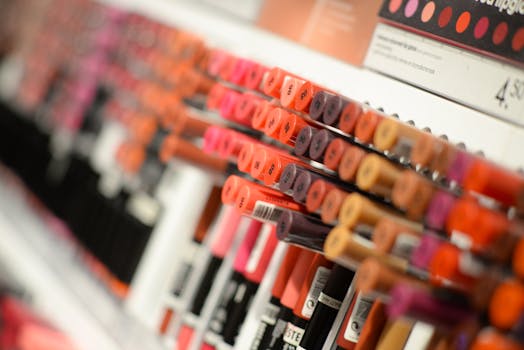 Photo: ClickerHappy / Pexels
Building a comprehensive cruelty-free beauty routine in Canada is now easier than ever, thanks to a growing number of ethical brands available across the country. This curated list highlights some of the best cruelty-free brands that are either Canadian-owned or widely accessible to Canadian consumers, covering everything from skincare to makeup and haircare. Remember to always look for third-party certifications like Leaping Bunny for the highest assurance.
**Canadian Cruelty-Free Gems:**
* **ATTITUDE Living:** A Quebec-based brand offering a vast range of personal care and household products. They are PETA and Leaping Bunny certified, with many vegan options. Their body washes, shampoos, and lotions are widely available in Canadian grocery stores and pharmacies, making ethical choices highly accessible. They prioritize natural ingredients and sustainable packaging, appealing to a broad spectrum of environmentally conscious consumers. Their commitment extends beyond just products, with initiatives focused on reducing plastic waste and promoting a healthier planet.
* **ILIA Beauty:** While a global brand, ILIA has a strong presence in Canada, known for its clean beauty philosophy and high-performance makeup. They are Leaping Bunny certified and focus on blending skincare benefits with makeup, utilizing organic and natural ingredients. Their products, like the Super Serum Skin Tint, are cult favorites. You can find ILIA at major beauty retailers like Sephora Canada, making it a premium yet accessible option for clean, cruelty-free makeup. Their innovative formulations cater to a desire for effective, nourishing cosmetics that don't compromise on ethical standards.
* **The 7 Virtues:** A Canadian fragrance brand that is not only cruelty-free and Leaping Bunny certified but also focuses on fair trade, natural, and organic essential oils. Their unique approach sources ingredients from countries rebuilding after war or strife, supporting local farmers. Their perfumes are available at Sephora Canada and offer a beautiful, ethical alternative to conventional fragrances. Each scent tells a story of global empowerment and sustainability.
* **Barely There Beauty:** A small, artisanal Canadian brand specializing in minimalist, natural, and handmade skincare and beauty essentials. They are cruelty-free and often vegan, focusing on simple, effective ingredients. Supporting brands like Barely There Beauty often means supporting local economies and businesses that have a deep commitment to ethical production from start to finish. Their products are often found in independent boutiques or online.
* **Nudestix:** A Toronto-based brand offering easy-to-use makeup sticks for eyes, lips, and face. They are Leaping Bunny certified and have a strong focus on clean, minimalist beauty. Nudestix is widely available at Sephora Canada and offers convenient, travel-friendly options for the modern consumer. Their commitment to cruelty-free practices and innovative product design has garnered a loyal following among those seeking quick, effective, and ethical makeup solutions.
**Widely Available Cruelty-Free Brands in Canada:**
* **Drunk Elephant:** A popular skincare brand known for its clean formulations and effective ingredients. They are Leaping Bunny certified and widely available at Sephora Canada. Their commitment to avoiding the 'Suspicious 6' ingredients aligns with a broader clean beauty ethos, making them a go-to for many.
* **Paula's Choice:** Renowned for evidence-based skincare, Paula's Choice is Leaping Bunny certified and has a strong online presence in Canada. They offer solutions for various skin concerns, backed by scientific research. Their transparency about ingredients and formulations makes them a trustworthy choice for discerning consumers.
* **Burt's Bees:** While not entirely vegan (some products contain beeswax), Burt's Bees is a well-established cruelty-free brand (Leaping Bunny certified) offering natural skincare and lip care. Their products are easily found in most Canadian drugstores and supermarkets. They represent an accessible entry point into natural and ethical beauty.
* **e.l.f. Cosmetics:** An incredibly affordable and widely available brand that is 100% cruelty-free and vegan. Their extensive range of makeup and tools can be found at drugstores like Shoppers Drug Mart across Canada, proving that ethical beauty doesn't have to break the bank. e.l.f. has made significant strides in making vegan and cruelty-free options accessible to everyone.
* **The Body Shop:** A long-standing advocate for ethical beauty, The Body Shop is Leaping Bunny certified and offers a vast array of skincare, body care, and makeup. They are easily found in malls and online across Canada, known for their community trade initiatives and commitment to fighting animal testing globally. For more ethical shopping options, consider exploring
sustainable fashion brands as well.
This list is just a starting point, as the number of cruelty-free brands entering the Canadian market continues to grow. Always cross-reference with official certification databases if you're unsure, and remember that your purchasing power is a vote for a kinder, more ethical beauty industry. By choosing these brands, you're not only investing in high-quality products but also supporting a movement that values animal welfare and responsible production. The beauty of the Canadian market is its increasing diversity and accessibility of these ethical options, allowing everyone to participate in this positive change.
Tips for a Seamless Cruelty-Free Transition & Avoiding Greenwashing
 Photo: Seferikalbiye / Pexels
Transitioning to a fully cruelty-free beauty routine can feel overwhelming, but with a few strategic tips, it can be a seamless and rewarding experience. The key is to take it one step at a time and remain vigilant against 'greenwashing' – misleading claims that make a product seem more ethical or environmentally friendly than it truly is. Here's how to navigate your cruelty-free journey effectively:
**Start Small:** Don't feel pressured to replace all your products at once. As items run out, replace them with cruelty-free alternatives. This gradual approach is more manageable for your budget and helps you discover new favourites without waste.
**Educate Yourself on Certifications:** As discussed, the Leaping Bunny logo is your strongest ally. Familiarize yourself with this symbol and others like PETA's. Download their apps or bookmark their online databases for quick reference while shopping. If a brand claims to be cruelty-free but lacks third-party verification, proceed with caution.
**Read Ingredients for Vegan Options:** If vegan is also important to you, learn to identify common animal-derived ingredients such as carmine (red dye from insects), beeswax, honey, lanolin (from sheep's wool), collagen, gelatin, and various animal fats or by-products. Many brands now clearly label products as 'vegan,' but checking the ingredient list provides an extra layer of assurance.
**Beware of Misleading Claims (Greenwashing):**
* **"Not tested on animals *unless required by law*"**: This is a classic red flag. It typically means the brand sells in countries like mainland China (though China's regulations are evolving), where animal testing was historically mandatory for imported cosmetics. A truly cruelty-free brand will not sell in such markets if testing is required.
* **"Cruelty-free *brand* vs. cruelty-free *parent company*"**: Some smaller, genuinely cruelty-free brands are owned by larger parent companies that *do* test on animals. For some consumers, supporting the smaller brand is acceptable; for others, the parent company's practices are a deal-breaker. Decide where your personal line is drawn.
* **Vague statements**: Phrases like "we care about animals" or "our products are not tested on animals *in our facilities*" can be intentionally misleading. They don't guarantee that suppliers or third parties aren't testing, or that products aren't tested elsewhere in the world.
* **Natural/Organic vs. Cruelty-Free**: Just because a product is natural or organic doesn't automatically make it cruelty-free. These terms relate to ingredient sourcing, not animal testing policies.
**Utilize Online Resources:** Websites like Ethical Elephant, Cruelty-Free Kitty, and Logical Harmony offer extensive lists, brand guides, and detailed explanations of cruelty-free policies. These resources are regularly updated and provide invaluable insights into the ethical standing of various brands.
**Support Canadian Retailers:** Many Canadian retailers are making it easier to shop cruelty-free. Sephora Canada, for instance, has a dedicated 'Clean at Sephora' section that often highlights cruelty-free brands. Independent beauty boutiques and health food stores frequently curate ethical selections. Supporting these retailers reinforces the demand for cruelty-free options.
**Engage with Brands:** If you're unsure about a brand's cruelty-free status, don't hesitate to reach out to their customer service directly. Ask specific questions about their animal testing policy, their suppliers' policies, and whether they sell in markets where animal testing is required. Their transparency (or lack thereof) will speak volumes.
By adopting these practices, you can confidently build a beauty collection that aligns with your values, knowing you're contributing to a more compassionate world.
