Sustainable Beauty Packaging Canada: Your Eco-Guide
sustainable beauty packaging Canada

Sustainable Beauty Packaging Canada: Your Eco-Guide

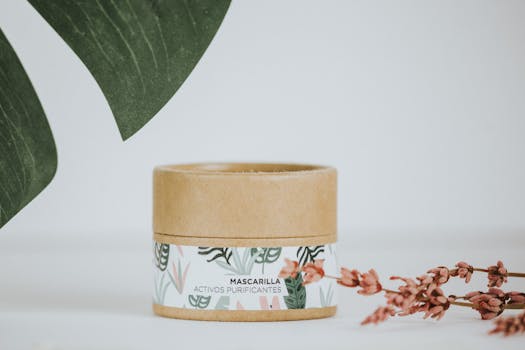
Minimalist shot of a natural cosmetic product in eco-friendly packaging, surrounded by greenery.Photo: Misolo Cosmetic / Pexels

Sustainable Beauty Packaging Canada: Your Eco-Guide

Navigate Canada's growing landscape of eco-conscious beauty packaging for a truly green routine.

Explore Sustainable Options

Key Takeaways

  • ✓ Over 120 billion units of packaging are produced globally by the cosmetics industry annually.
  • ✓ Only 9% of plastic waste is recycled in Canada, highlighting the need for better packaging solutions.
  • ✓ Refillable systems can reduce packaging waste by up to 70% for some beauty products.
  • ✓ Canadian consumers are increasingly prioritizing sustainability, with 70% willing to pay more for eco-friendly products.

How It Works

1
Understand the Problem

Learn about the environmental impact of traditional beauty packaging, from plastic pollution to excessive waste. This foundational knowledge empowers you to make informed decisions.

2
Identify Sustainable Materials

Discover the range of eco-friendly packaging materials available, such as PCR plastic, glass, aluminum, and compostable options. Understand their benefits and limitations for various product types.

3
Explore Canadian Brands

Find Canadian beauty brands committed to sustainability, offering innovative packaging solutions. Support local businesses that align with your environmental values and contribute to a circular economy.

4
Implement a Circular Routine

Integrate sustainable packaging into your daily beauty regimen through refilling, recycling, and composting. Make conscious choices that extend the life cycle of your products and minimize waste.

The Urgent Need for Eco-Friendly Beauty Packaging in Canada
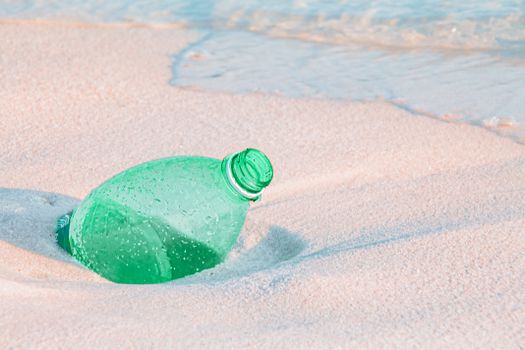
Discarded plastic bottle on the sandy beach illustrating environmental pollution.Photo: Marie Martin / Pexels
The beauty industry, while offering products that enhance well-being and confidence, carries a significant environmental burden, primarily due to its packaging. Globally, the cosmetics sector generates an astounding 120 billion units of packaging each year, much of which is single-use plastic that ends up in landfills or pollutes our oceans. In Canada, the situation is no different. Despite growing awareness, our recycling infrastructure struggles to cope with the complex and often multi-material nature of beauty packaging. This results in a staggering statistic: only about 9% of plastic waste is actually recycled in Canada, with the vast majority either incinerated, landfilled, or entering natural ecosystems. This necessitates a critical shift towards more sustainable beauty packaging Canada. The environmental impact extends beyond just plastic waste. The extraction of virgin resources for packaging, the energy consumed in manufacturing, and the emissions generated during transportation all contribute to climate change and biodiversity loss. Consumers are increasingly aware of these issues. A recent survey indicated that over 70% of Canadian consumers are willing to pay more for products that are environmentally friendly, signalling a clear demand for change. This isn't just a trend; it's a fundamental shift in consumer values, driven by a deeper understanding of our planet's delicate balance. Brands that fail to adapt risk losing market share and, more importantly, betraying the trust of an environmentally conscious customer base. Moreover, regulatory pressures are beginning to mount. Governments, both federal and provincial, are exploring and implementing policies aimed at reducing plastic waste, such as bans on certain single-use plastics and extended producer responsibility (EPR) programs. These regulations will place greater onus on beauty brands to manage the end-of-life of their packaging, making sustainable design not just an ethical choice, but a business imperative. Embracing eco-friendly packaging now positions brands ahead of the curve, allowing them to innovate rather than react. It fosters a reputation for responsibility and authenticity, which are invaluable assets in today's competitive market. The transition to sustainable packaging is not merely about swapping materials; it's about a holistic re-evaluation of product design, supply chains, and consumer engagement. It involves looking at the entire lifecycle of a product, from sourcing raw materials to disposal, and finding ways to minimize its environmental footprint at every stage. This complex challenge requires collaboration across the industry, investment in new technologies, and a commitment to transparency. By addressing the urgent need for eco-friendly beauty packaging, Canada can set a precedent for global sustainability in the beauty sector, creating a future where beauty and environmental stewardship go hand-in-hand. For more insights on ethical consumption, explore our guide on ethical beauty choices. This shift is also an opportunity for innovation. Companies are investing in research and development to create new materials that are biodegradable, compostable, or infinitely recyclable. They are also rethinking product formats, introducing solid products that require minimal packaging, and developing sophisticated refill systems that drastically reduce waste. The Canadian beauty market is ripe for these innovations, with a discerning consumer base eager to support brands that demonstrate genuine commitment to environmental protection. From small artisanal brands to larger established companies, the movement towards sustainable packaging is gaining momentum, transforming the industry one product at a time. It's a journey that requires continuous effort and adaptation, but the benefits for both the planet and brand reputation are immeasurable.

Decoding Sustainable Packaging Materials for Beauty Products

Close-up of a recycling symbol made from wooden arrows on a beige background.Photo: DS stories / Pexels
Navigating the world of sustainable beauty packaging can feel like learning a new language, with terms like PCR, bioplastics, and compostable materials. Understanding these options is crucial for both brands seeking to green their operations and consumers aiming to make informed choices about sustainable beauty packaging Canada. Each material comes with its own set of environmental benefits and challenges, and the 'best' choice often depends on the specific product, its shelf life, and the local recycling infrastructure. One of the most widely adopted sustainable options is Post-Consumer Recycled (PCR) plastic. This material is made from plastics that have already been used, collected, sorted, cleaned, and reprocessed into new resins. By utilizing PCR, brands reduce the demand for virgin plastic production, conserve resources, and divert waste from landfills. It's a closed-loop solution that significantly lowers the carbon footprint compared to new plastic. However, the availability and quality of PCR can vary, and it's essential for brands to ensure their PCR sources are reliable and genuinely post-consumer. Glass and aluminum are also popular choices, primarily because they are infinitely recyclable without losing quality. Glass, often seen in skincare jars and serum bottles, offers a premium feel and excellent product preservation. Its main drawbacks are its weight, which increases shipping emissions, and its fragility. Aluminum, frequently used for tins and tubes, is lightweight and durable, making it an excellent alternative for products like deodorants, balms, and even some liquid formulations. Both materials require robust recycling systems to ensure they are properly collected and processed, a challenge that Canada is continually working to improve. Beyond these, innovative materials are emerging. Bioplastics, derived from renewable biomass sources like corn starch or sugarcane, offer a promising alternative to traditional fossil-fuel plastics. However, not all bioplastics are biodegradable or compostable, and their end-of-life often requires specific industrial composting facilities, which are not universally available. Consumers must look for clear certifications to understand how to properly dispose of these materials. Similarly, compostable packaging, often made from plant-based materials, breaks down into natural elements, returning nutrients to the earth. This is ideal for single-use items or sample sizes, provided access to commercial composting facilities exists. Refillable packaging systems represent another significant step towards sustainability. Instead of discarding the entire product container, consumers purchase a new product in a minimalist, often recyclable pouch or insert, and refill their original, durable container. This dramatically reduces material consumption and waste. Many Canadian brands are now embracing this model for products ranging from shampoos and conditioners to lotions and cleansers, empowering consumers to participate actively in waste reduction. Finally, minimalist and package-free options are gaining traction. Solid bars for shampoo, conditioner, and soap eliminate the need for plastic bottles entirely, often packaged only in a small, recyclable paper wrapper. This approach champions the 'reduce' principle above all else, challenging the industry to rethink product formats and consumer habits. The future of sustainable beauty packaging Canada lies in a diverse portfolio of these materials and approaches, carefully chosen to minimize environmental impact while maintaining product integrity and consumer experience. Education is key, ensuring that both producers and consumers understand how to properly manage these materials at the end of their life cycle.

Leading the Charge: Canadian Brands Embracing Sustainable Beauty Packaging

Detailed close-up of a skincare face mask jar, perfect for beauty product listings.Photo: Angel Adu-Gyamfi / Pexels
Canada's beauty landscape is witnessing a significant shift, with a growing number of brands prioritizing sustainability, particularly in their packaging choices. These innovators are not just responding to consumer demand but are actively setting new standards for sustainable beauty packaging Canada. Their efforts span from utilizing cutting-loop materials to pioneering refillable systems and advocating for transparency in their supply chains. One notable trend among Canadian brands is the adoption of Post-Consumer Recycled (PCR) content. Brands like Consonant Skincare and Province Apothecary are increasingly incorporating PCR plastic into their bottles and jars, demonstrating a commitment to circularity. This move significantly reduces reliance on virgin plastics and helps divert waste from landfills, aligning with Canada's broader environmental goals. Consumers can often find labels indicating the percentage of PCR used, empowering them to make more informed purchases. Glass and aluminum are also becoming staples for Canadian brands focused on premium and sustainable offerings. Brands such as Éminence Organic Skin Care and Harlow Skin Co. frequently use glass for their high-end serums and creams, appreciating its endlessly recyclable nature and luxurious feel. Aluminum, with its lightweight and durable properties, is favoured by brands like Nudestix for their makeup sticks and deodorants, providing a robust and recyclable alternative to plastic. The challenge with these materials often lies in ensuring they are properly recycled, which requires consumer education and accessible recycling programs across different municipalities. Refillable systems are perhaps one of the most impactful innovations in reducing packaging waste. Canadian brands like Saponetti and Rocky Mountain Soap Co. offer refill options for popular products such as liquid soaps, shampoos, and lotions, allowing customers to bring their own containers or purchase large refill pouches. This model drastically cuts down on single-use packaging and fosters a loyal customer base committed to zero-waste living. The success of refill programs hinges on convenience and accessibility, and brands are continually working to streamline these processes. Beyond material choices, some Canadian brands are pushing the boundaries with innovative, package-free formats. Lush Cosmetics, with its strong Canadian presence, has long been a pioneer in solid shampoo bars, conditioner bars, and naked shower gels, eliminating the need for plastic bottles entirely. Similarly, smaller artisanal brands are offering solid facial cleansers and body balms in compostable paper or tin packaging. This approach emphasizes reducing packaging at the source, which is often the most effective form of waste prevention. Transparency is another key pillar for Canadian brands committed to sustainable packaging. They are increasingly providing detailed information about their packaging materials, sourcing, and end-of-life instructions on their websites and product labels. This empowers consumers to understand the true environmental footprint of their purchases and how to properly dispose of or recycle the packaging. Brands like The 7 Virtues and ILIA Beauty, while not exclusively Canadian, have a strong presence and influence in the Canadian market, often leading by example in ingredient transparency and sustainable practices, including packaging. For more on sourcing ethical ingredients, refer to our article on ethical beauty ingredient sourcing. By supporting these Canadian brands, consumers can directly contribute to a more sustainable beauty industry, fostering innovation and driving positive environmental change across the nation.

Navigating the Pitfalls: Common Mistakes and Best Practices in Sustainable Beauty Packaging Canada

Embarking on a journey towards sustainable beauty packaging is commendable, but it's fraught with potential missteps. Both consumers and brands in Canada need to be aware of common mistakes and embrace best practices to ensure their efforts genuinely contribute to environmental betterment. Greenwashing, confusion over recycling, and overlooking the entire product lifecycle are significant hurdles that must be addressed. **Common Mistakes to Avoid:** * **Greenwashing:** This is perhaps the most prevalent pitfall. Brands often use vague terms like “eco-friendly” or “natural” without substantive evidence or certification. Consumers might fall for packaging that looks sustainable (e.g., green colours, leaf motifs) but isn't. Always look for specific details: what percentage of PCR, what type of bioplastic, or what certifications does the packaging hold? * **Assuming all 'Recyclable' is Recycled:** Just because a package has a recycling symbol doesn't mean it will be recycled in your specific Canadian municipality. Recycling infrastructure varies widely across provinces and even within cities. Small components like pumps, droppers, and caps are often made of mixed materials that are difficult to separate and recycle. * **Ignoring the Entire Lifecycle:** Focusing solely on the packaging material at the end-of-life is a mistake. The extraction of raw materials, manufacturing processes, transportation emissions, and even the product's shelf life all contribute to its overall environmental impact. A heavy glass jar, while recyclable, might have a higher carbon footprint due to transport compared to a lightweight PCR plastic tube. * **Over-packaging 'Sustainable' Products:** Some brands, in an attempt to convey luxury or protection, will use excessive outer packaging for an otherwise sustainable product. This negates the efforts made on the primary packaging. Simplicity and minimalism should be key principles. * **Lack of Clear Instructions:** Brands often fail to provide clear, concise instructions on how to properly dispose of their packaging. Should the pump be removed? Should the cap be left on or off? Is it industrial compostable or home compostable? This confusion leads to improper disposal and contamination of recycling streams. **Best Practices for Brands and Consumers:** * **Prioritize Reduction First:** The most sustainable packaging is no packaging at all. Brands should explore solid formats, concentrates, and refillable systems to drastically reduce material use. * **Choose Proven Sustainable Materials:** Opt for materials with established recycling streams in Canada, such as high-percentage PCR plastic, glass, and aluminum. For novel materials like bioplastics, ensure they are certified and local composting facilities can handle them. * **Design for Circularity:** Brands should design packaging that is easy to disassemble, clean, and recycle or refill. This means single-material components where possible and avoiding complex multi-material structures. * **Educate and Empower Consumers:** Provide clear, actionable instructions on how to properly dispose of or return packaging. Partner with recycling programs or offer take-back initiatives. Consumers should actively seek out this information. * **Support Refill and Reuse Models:** Consumers should actively seek out and support brands offering refillable products. Brands should invest in making refill options convenient and cost-effective. * **Demand Transparency:** Both consumers and brands should demand transparency throughout the supply chain, from material sourcing to manufacturing processes and end-of-life solutions. Look for third-party certifications (e.g., B Corp, Cradle to Cradle). * **Lobby for Better Infrastructure:** As citizens, we can advocate for improved recycling and composting infrastructure in our communities, which is crucial for the success of any sustainable packaging initiative. By avoiding these common mistakes and embracing best practices, Canada can move closer to a truly sustainable beauty packaging ecosystem, benefiting both the environment and the conscientious consumer.

Comparison

FeaturePCR PlasticGlassAluminumCompostable (e.g., PLA)
Recyclability in CAGood (if clean)ExcellentExcellentLimited (industrial)
Carbon Footprint (Mfg)Lower than virginHighHighVariable
Weight for ShippingLightHeavyLightLight
DurabilityGoodFragileExcellentVariable
Refill Potential

What Our Readers Say

5 ★★★★★

"I'm so impressed with the sustainable beauty packaging from a local Canadian brand. Their refillable shampoo bottles have saved me so much plastic waste, and the quality is fantastic. It truly makes a difference."

5 ★★★★★

"Finding truly eco-friendly options for my skincare was a challenge until I discovered Canadian brands using PCR plastic. It's great to know my purchases contribute to less virgin plastic production."

5 ★★★★★

"Switching to products with compostable packaging has been a game-changer for my zero-waste journey. My local composting facility accepts them, and my bathroom waste has drastically reduced thanks to sustainable beauty packaging Canada."

4 ★★★★☆

"While I appreciate the move towards sustainable beauty packaging, I sometimes find the recycling instructions unclear for certain mixed-material components. More clarity would make it a perfect experience."

5 ★★★★★

"As a small business owner, sourcing sustainable beauty packaging in Canada was crucial. I found excellent suppliers for glass and aluminum, which aligns perfectly with my brand's eco-conscious values."

Frequently Asked Questions

What is considered sustainable beauty packaging in Canada?
Sustainable beauty packaging in Canada refers to materials and designs that minimize environmental impact throughout their lifecycle. This includes options like Post-Consumer Recycled (PCR) plastics, infinitely recyclable materials such as glass and aluminum, compostable packaging (often plant-based), and refillable systems. The key is to reduce virgin material use, conserve resources, and ensure proper end-of-life management, ideally through effective recycling or composting infrastructure.
Is compostable beauty packaging truly eco-friendly in Canada?
Compostable beauty packaging can be eco-friendly, but its effectiveness depends heavily on access to industrial composting facilities. Many 'compostable' plastics require specific heat and moisture conditions found only in commercial composts, not home compost bins. If sent to landfills, they may not break down efficiently. Always check if your local municipality in Canada accepts these materials and follow the brand's disposal instructions carefully.
How can I properly recycle beauty product packaging in Canada?
To properly recycle beauty packaging in Canada, first check the material (plastic #1, #2, glass, aluminum). Ensure containers are empty and clean – rinse out any product residue. Remove pumps, droppers, and caps if they are made of different materials, as these often cannot be recycled with the main container. Consult your municipal recycling guidelines, as rules vary by region, for specific instructions on what is accepted.
Is sustainable beauty packaging more expensive?
Initially, sustainable beauty packaging can sometimes incur higher costs due to the sourcing of recycled materials, innovative design, or specialized manufacturing processes. However, as demand increases and technology advances, these costs are becoming more competitive. Many consumers are also willing to pay a premium for environmentally responsible products, recognizing the long-term value for the planet. Refill systems can also lead to cost savings over time.
How do Canadian regulations impact sustainable beauty packaging?
Canadian regulations are increasingly influencing sustainable beauty packaging through initiatives like extended producer responsibility (EPR) programs and potential bans on certain single-use plastics. EPR shifts the responsibility for end-of-life packaging management to producers, encouraging more sustainable design. These regulations aim to reduce waste and promote a circular economy, pushing brands to innovate and adopt greener packaging solutions to comply with evolving standards.
Who should prioritize sustainable beauty packaging in Canada?
Both beauty brands and consumers in Canada should prioritize sustainable beauty packaging. Brands have a responsibility to minimize their environmental footprint and meet growing consumer demand for eco-conscious products. Consumers, in turn, can drive change by actively choosing products with sustainable packaging, supporting brands committed to green practices, and properly disposing of their beauty waste to contribute to a circular economy.
Are solid beauty products a good sustainable packaging alternative?
Yes, solid beauty products (e.g., shampoo bars, conditioner bars, solid cleansers) are an excellent sustainable packaging alternative. They typically require minimal to no plastic packaging, often coming in recyclable paper, cardboard, or even 'naked' form. This significantly reduces plastic waste and their concentrated formulas often last longer, further minimizing environmental impact by reducing water content and shipping weight.
What are future trends for sustainable beauty packaging in Canada?
Future trends for sustainable beauty packaging in Canada include a greater emphasis on advanced recycling technologies, widespread adoption of refill-at-home and in-store refill stations, and the development of truly biodegradable and home-compostable materials. We can also expect increased standardization of recycling symbols and clearer consumer education, alongside regulatory pressures pushing for full circularity and waste reduction across the industry.

Embrace the future of beauty by choosing products with sustainable beauty packaging Canada. Make an impact with every purchase, support eco-conscious brands, and contribute to a greener, more beautiful planet.

Topics: sustainable beauty packaging Canadaeco-friendly beauty packagingrecycled beauty packagingzero-waste beauty CanadaCanadian sustainable cosmetics
Leo List
Brampton weed
Adultwork