Top Organic Makeup Brands Canada: Your Green Beauty Guide
organic makeup brands Canada

Top Organic Makeup Brands Canada: Your Green Beauty Guide

Uncover Canada's finest organic makeup brands committed to clean ingredients, ethical sourcing, and stunning results for your skin.

Explore Brands Now

Key Takeaways

  • ✓ The Canadian organic beauty market is rapidly expanding, driven by consumer demand for transparency and sustainability.
  • ✓ Certification for 'organic' in cosmetics can vary; look for third-party seals like Ecocert, USDA Organic, or Cosmos Organic.
  • ✓ Many Canadian organic makeup brands prioritize local sourcing, minimizing their carbon footprint.
  • ✓ Beyond ingredients, ethical practices like cruelty-free testing and sustainable packaging are hallmarks of leading brands.

How It Works

1
Understand Certifications

Familiarize yourself with what 'organic' truly means in cosmetics. Look for recognized third-party certifications to ensure ingredient integrity and sourcing standards.

2
Identify Your Needs

Determine your skin type, preferred makeup products, and any specific ingredient sensitivities. This will help narrow down the brands and products best suited for you.

3
Research Canadian Brands

Explore the diverse landscape of organic makeup brands based in Canada. Investigate their ingredient philosophy, ethical commitments, and product ranges.

4
Trial and Integrate

Start by trying a few key products from a chosen brand, like a foundation or lipstick. Gradually integrate more organic options into your routine as you discover what works best.

The Rise of Organic Makeup in Canada: A Conscious Choice
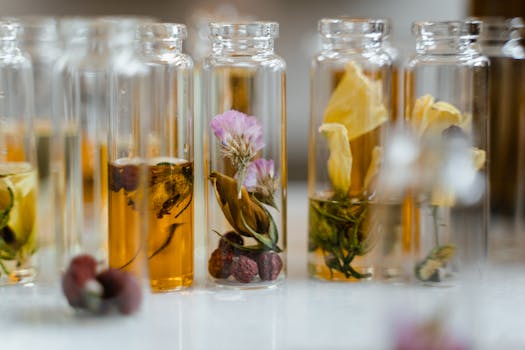
Close-up of assorted dry flowers immersed in glass vials, ideal for natural fragrance products. Photo: MART PRODUCTION / Pexels
The beauty industry in Canada is undergoing a profound transformation, with a significant shift towards organic and natural products. Consumers are increasingly discerning, moving beyond superficial claims to demand transparency, ethical sourcing, and genuinely healthy ingredients in their cosmetics. This surge in awareness isn't just a trend; it's a fundamental change in how Canadians view their beauty routines, recognizing the direct link between what they put on their skin and their overall well-being. The desire to avoid harsh chemicals, synthetic fragrances, parabens, phthalates, and other potentially harmful additives has fueled the growth of dedicated organic makeup brands Canada, offering safer, more sustainable alternatives. But what exactly does 'organic' mean in the context of makeup? Unlike food, cosmetic regulations around the term 'organic' can be complex and vary. Generally, it implies that ingredients are derived from organically farmed plants and other natural sources, free from pesticides, genetically modified organisms (GMOs), and synthetic fertilizers. For a product to be truly organic, reputable brands often seek third-party certifications from bodies like Ecocert, USDA Organic, or Cosmos Organic. These certifications provide a rigorous standard, ensuring that a certain percentage of ingredients are indeed organic and that the entire manufacturing process adheres to strict environmental and ethical guidelines. Without such certifications, a brand might use the term 'natural' or 'organic' loosely, leading to 'greenwashing' – a practice where products are marketed as environmentally friendly without genuinely meeting the criteria. Therefore, as a conscious consumer, understanding these certifications is paramount in navigating the Canadian organic beauty market. Beyond just the ingredients, the philosophy behind organic makeup brands Canada often extends to broader sustainability practices. This includes eco-friendly packaging, such as recyclable glass or biodegradable materials, minimizing plastic waste. Many brands also prioritize cruelty-free testing, ensuring no animals are harmed in the development of their products, and some even go further to ensure fair trade practices for their raw material suppliers. This holistic approach resonates deeply with Canadian values, which often lean towards environmental stewardship and social responsibility. The appeal isn't just about personal health; it's about contributing to a healthier planet and a more ethical industry. As consumers become more educated, the demand for brands that genuinely embody these principles will only continue to grow, pushing the entire industry towards greater accountability and innovation in truly sustainable beauty solutions. This evolution promises a future where beauty and responsibility go hand-in-hand, making Canada a leader in the organic makeup movement.

Spotlight on Leading Organic Makeup Brands in Canada

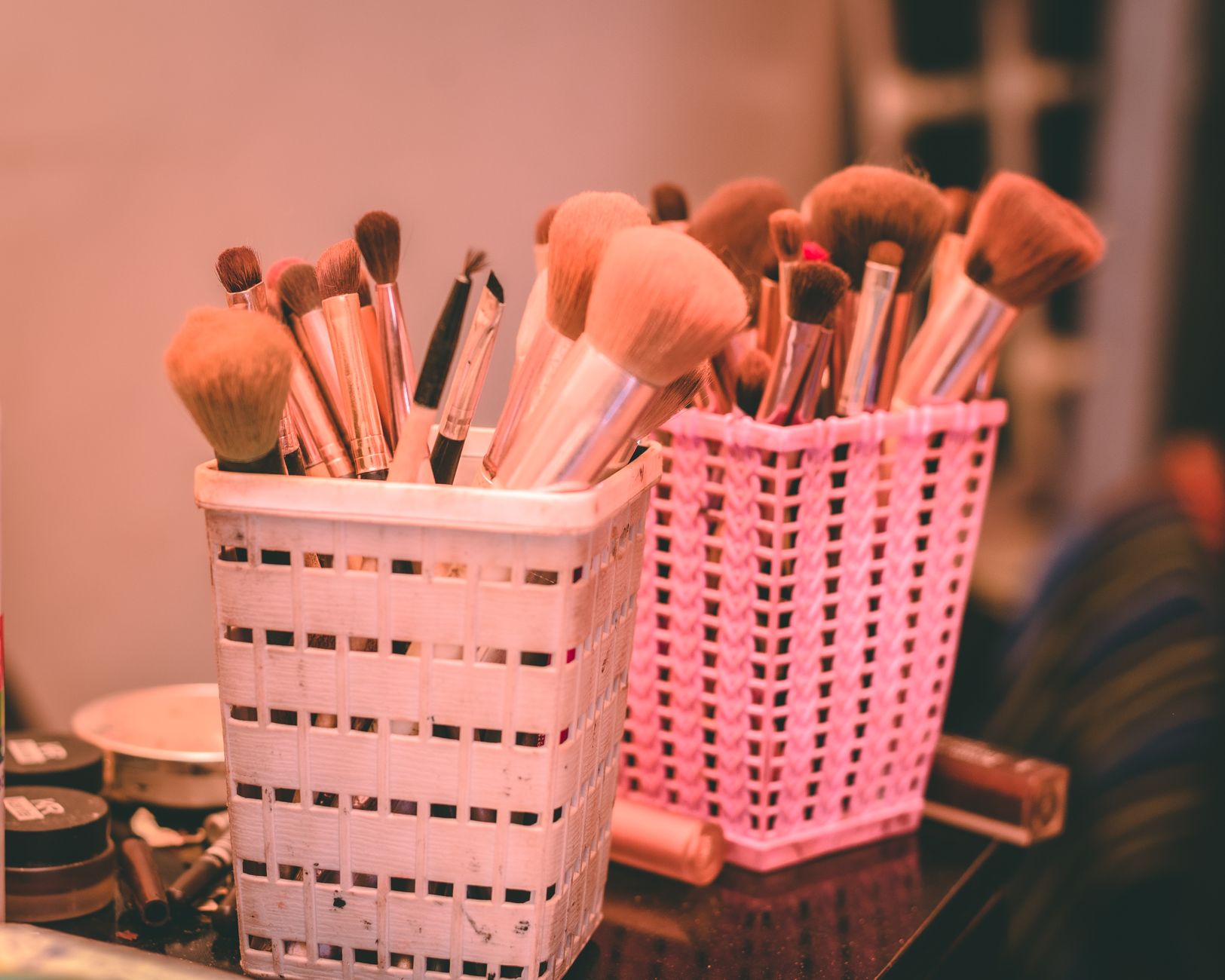
Collection of various makeup brushes organized neatly in pink and white holders. Photo: BULE / Pexels
Canada boasts an impressive array of organic makeup brands, each bringing its unique philosophy and product range to the market. These brands are not just selling cosmetics; they are selling a commitment to health, sustainability, and ethical practices. Let's delve into some of the prominent players that are defining the organic beauty landscape across the nation, offering everything from vibrant lip colours to flawless foundations, all crafted with nature's finest ingredients. One such pioneer is *ILIA Beauty*, though often considered international, it has a significant presence and following in Canada, known for its clean, skin-centric approach. ILIA's philosophy revolves around treating skin with carefully selected organic and natural ingredients, while still delivering high-performance makeup. Their Super Serum Skin Tint SPF 40, for instance, has become a cult favourite, blending skincare benefits with light coverage and sun protection. They emphasize transparency, listing all ingredients clearly and educating consumers on their sourcing. While not exclusively Canadian-made, their commitment to organic integrity and availability makes them a top choice for Canadian consumers seeking premium organic options. Another noteworthy brand is *Sappho New Paradigm*, a proudly Canadian, female-founded company based in Vancouver, BC. Sappho is celebrated for its vegan, organic, and toxin-free formulations, particularly their foundation and concealer lines which offer excellent coverage and a natural finish. They are meticulous about their ingredient list, ensuring everything from plant-based preservatives to mineral pigments meets the highest clean beauty standards. Sappho also leads by example with refillable packaging and a strong stance against animal testing, embodying the full spectrum of ethical beauty. Then there's *RMS Beauty*, founded by renowned makeup artist Rose-Marie Swift. While an international brand, RMS has a huge following in Canada and is a go-to for many seeking truly organic and raw ingredients. Their 'less is more' approach focuses on nourishing the skin with products like their 'Un' Cover-up, a versatile concealer and foundation that melts into the skin. RMS uses food-grade organic ingredients, emphasizing that raw, living ingredients retain their healing properties. Their products are designed to enhance natural beauty rather than mask it, aligning perfectly with the organic beauty ethos. *Pure Anada*, based in Morden, Manitoba, is another fantastic Canadian gem. This brand prides itself on creating affordable yet high-quality natural and organic makeup. They offer a comprehensive range, from mineral foundations to vibrant eyeshadows and lipsticks, all formulated without parabens, phthalates, synthetic dyes, or fragrances. Pure Anada is committed to ethical sourcing, ensuring their ingredients are sustainably harvested and their products are cruelty-free. Their dedication to making organic beauty accessible to a wider audience makes them a beloved choice across Canada. Each of these brands, whether global with a strong Canadian presence or authentically homegrown, contributes significantly to the growing reputation of Canada as a hub for conscious, high-quality organic makeup.

Decoding Labels: What to Look for in Organic Makeup
Elegant product mockup featuring a dark glass jar and eucalyptus on a white background. Photo: KATRIN BOLOVTSOVA / Pexels
Navigating the world of organic makeup can feel like a labyrinth of labels and claims. With terms like 'natural,' 'organic,' 'clean,' and 'eco-friendly' often used interchangeably, it's crucial for consumers to understand what to truly look for when seeking out genuine organic makeup brands Canada. The key lies in becoming an ingredient detective and understanding the power of third-party certifications. Firstly, prioritize certifications. The gold standard for organic claims in cosmetics often comes from independent bodies. In North America, the USDA Organic seal is highly respected, requiring products to contain at least 95% organically produced ingredients. Globally, Ecocert and Cosmos Organic are widely recognized. These certifications don't just verify organic content; they also scrutinize the entire lifecycle of a product, from ingredient sourcing and processing to manufacturing and packaging, ensuring environmental responsibility and ethical practices. When you see these seals, you can be more confident that the brand has undergone rigorous evaluation and meets stringent standards. Without these, a product might contain some organic ingredients but not meet the comprehensive criteria for being truly 'organic' from a regulatory standpoint. Beyond certifications, dive into the ingredient list. Look for recognizable plant-based ingredients at the top of the list, indicating their higher concentration. Common organic ingredients include organic shea butter, organic jojoba oil, organic aloe vera, organic essential oils, and mineral pigments. Conversely, be wary of common synthetic culprits that organic makeup brands actively avoid. These often include parabens (preservatives linked to hormone disruption), phthalates (plasticizers found in fragrances), sulfates (foaming agents that can irritate skin), synthetic fragrances (often undisclosed chemical cocktails), petrochemicals (derived from petroleum), and certain heavy metals. A truly organic brand will proudly display a 'free-from' list, highlighting their commitment to clean formulations. Pay attention to the brand's overall philosophy. Do they emphasize transparency in their sourcing? Do they have a clear stance on animal testing (look for certifications like Leaping Bunny)? What kind of packaging do they use – is it recyclable, refillable, or made from post-consumer recycled materials? These elements collectively paint a picture of a brand's commitment to sustainability and ethics, extending beyond just the organic nature of their ingredients. Many Canadian organic makeup brands, for example, pride themselves on local sourcing, which reduces their carbon footprint and supports local economies. By being diligent in your research and understanding these markers, you can confidently choose products from organic makeup brands Canada that align with your values and deliver genuine benefits for your skin and the environment.

Transitioning to Organic Makeup: Tips and Common Pitfalls
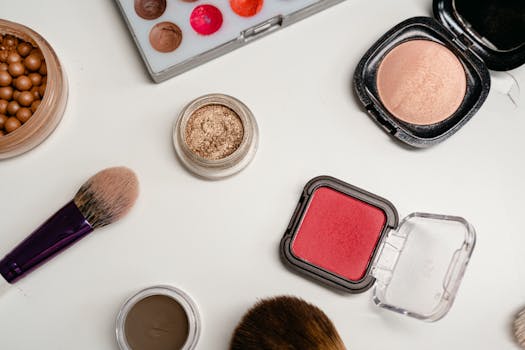
Flat lay of various makeup products including brushes, powders, and creams on a white surface. Photo: MART PRODUCTION / Pexels
Making the switch to organic makeup is an exciting journey towards healthier skin and a more sustainable lifestyle, but it can also come with its own set of challenges. Understanding how to transition effectively and what common pitfalls to avoid will ensure a smoother, more satisfying experience. **Tips for a Smooth Transition:** * **Start Small:** Don't feel pressured to overhaul your entire makeup bag overnight. Begin by replacing products you use most frequently, such as foundation or lipstick, with organic alternatives. This allows your skin to adjust gradually and helps you identify what truly works for you. * **Read Reviews and Swatch:** Before committing to a full-size product, especially for complexion items, read reviews from people with similar skin types. If possible, swatch products in-store or order samples to test for colour match and texture. * **Patch Test:** Even organic ingredients can cause reactions in sensitive individuals. Always perform a patch test on a small area of skin (like behind your ear or on your inner arm) before applying a new product all over your face. * **Understand Different Textures:** Organic makeup often uses natural oils and butters, which can result in different textures compared to synthetic-laden products. Foundations might be creamier, and powders might feel lighter. Embrace these differences; they are often a sign of nourishing ingredients. * **Storage Matters:** Organic products, due to fewer synthetic preservatives, can sometimes have shorter shelf lives. Pay attention to expiration dates and store them in cool, dry places away from direct sunlight to maintain their efficacy. **Common Pitfalls to Avoid:** * **Expecting Identical Performance:** While organic makeup has come a long way in terms of performance, some highly synthetic products might still offer a level of longevity or pigment intensity that organic options can't perfectly replicate without compromise. Adjust your expectations and appreciate the unique benefits of natural ingredients. * **Ignoring Certifications:** As discussed, 'natural' doesn't always mean organic. Falling for 'greenwashing' without checking for legitimate third-party certifications is a common mistake that can lead to disappointment. * **Not Researching Ingredients:** Even within organic brands, some individuals may have sensitivities to specific essential oils or plant extracts. Always scan the ingredient list for known allergens. * **Overlooking Shelf Life:** Organic products, by nature, often contain fewer harsh preservatives. Neglecting to check the PAO (Period After Opening) symbol (a small jar with a number and 'M' for months) can lead to using expired products, which can be less effective or even cause irritation. * **Impatience:** Your skin might need a short adjustment period as it detoxifies from synthetic ingredients. Give new organic products a few weeks before deciding if they are truly working for you. Patience is key when transitioning to a cleaner beauty routine.

Comparison

FeatureILIA BeautySappho New ParadigmPure AnadaRMS Beauty
OriginUSA/Canada (strong CA presence)Canada (Vancouver, BC)Canada (Morden, MB)USA (strong CA presence)
Key FocusSkin-centric performanceVegan, organic, pro-qualityAffordable, comprehensive organicRaw, food-grade organic
CertificationsClean at Sephora, EWGEcocert, PETA Cruelty-FreeEcocert, Leaping BunnyUSDA Organic (select products)
BestsellerSuper Serum Skin TintLiquid FoundationMineral Foundation'Un' Cover-up
Price PointPremiumMid-to-PremiumAccessiblePremium
Cruelty-Free

What Readers Say

"Switching to organic makeup brands Canada has been a game-changer for my sensitive skin. I've noticed fewer breakouts and my skin just feels healthier overall. Highly recommend exploring Canadian-made options!"

Sarah L. · Toronto, ON

"I was skeptical that organic makeup could perform as well, but Sappho New Paradigm's foundation proved me wrong. It's flawless and lasts all day without feeling heavy. So glad I found organic makeup brands Canada."

Marcie P. · Calgary, AB

"Pure Anada's mineral foundation completely cleared up my acne! After years of struggling, finding an organic makeup brand in Canada that's affordable and effective is incredible. My skin is glowing now."

Elena R. · Montreal, QC

"While some organic lipsticks don't have the same staying power as conventional ones, the comfort and natural ingredients are worth it. I appreciate the ethical practices of these organic makeup brands Canada."

David K. · Vancouver, BC

"As a professional makeup artist, I've started incorporating more organic makeup brands Canada into my kit. My clients love the feel and the natural finish, and I feel good about using cleaner products on them."

Jessica M. · Halifax, NS

Frequently Asked Questions

Are 'natural' and 'organic' the same in Canadian makeup?

No, 'natural' simply means ingredients are derived from nature, but they might still contain pesticides or be heavily processed. 'Organic' implies ingredients are grown without synthetic pesticides, GMOs, or chemical fertilizers, often validated by third-party certifications like Ecocert or USDA Organic, which are more stringent.

Will organic makeup last as long as conventional makeup?

Organic makeup has significantly improved in longevity and performance. While some highly synthetic, long-wear conventional products might have a slight edge, many organic formulas now offer excellent staying power, especially with proper application and setting techniques. It often depends on the specific product and brand.

How do I find truly organic makeup brands Canada, and avoid 'greenwashing'?

Look for reputable third-party certifications on product packaging, such as Ecocert, Cosmos Organic, or USDA Organic. Research the brand's ingredient transparency, ethical sourcing, and manufacturing processes. Be wary of brands that use generic 'natural' claims without substantiation.

Is organic makeup more expensive in Canada?

Generally, organic makeup can be slightly more expensive due to the higher cost of organically grown ingredients, ethical sourcing, and smaller production scales. However, many Canadian brands, like Pure Anada, offer accessible price points, and the investment often translates to healthier skin and peace of mind.

How do Canadian organic makeup brands compare to international ones?

Canadian organic makeup brands are highly competitive, often excelling in innovation, ingredient quality, and ethical practices. Many prioritize local sourcing and offer unique formulations tailored to Canadian consumer values, standing shoulder-to-shoulder with leading international clean beauty brands.

Who should use organic makeup brands Canada?

Anyone looking to reduce their exposure to synthetic chemicals, individuals with sensitive skin or allergies, those prioritizing ethical and sustainable consumption, and anyone seeking to support Canadian businesses committed to clean beauty should consider organic makeup brands in Canada.

Are there any risks associated with organic makeup?

While generally safer, some individuals may still be allergic or sensitive to specific natural ingredients, such as certain essential oils or plant extracts. Always check ingredient lists and perform a patch test when trying new products. The risk of harmful synthetic chemical exposure is significantly reduced.

What's the future for organic makeup brands in Canada?

The future is bright and innovative! Expect to see continued growth in product diversity, advancements in sustainable packaging, increased transparency in sourcing, and a stronger emphasis on circular economy principles. Canadian brands are poised to lead in developing highly effective and truly eco-conscious beauty solutions.

Embrace the clean beauty revolution with confidence. Explore the incredible range of organic makeup brands Canada has to offer, and transform your routine with products that are good for you, your skin, and the planet. Start your journey to radiant, responsible beauty today!

Topics: organic makeup brands Canadanatural cosmetics Canadaclean beauty Canadaeco-friendly makeupCanadian organic beauty
Leo List
Brampton weed
Adultwork