What is Clean Beauty Canada? Your Guide to Conscious Skincare
clean beauty Canada

What is Clean Beauty Canada? Your Guide to Conscious Skincare

Uncover the truth behind clean beauty in Canada and how to make informed choices for your skin and the planet.

Explore Clean Beauty

Key Takeaways

  • ✓ Clean beauty in Canada lacks a universal legal definition, leading to brand-specific interpretations.
  • ✓ It generally emphasizes transparency, non-toxic ingredients, and often ethical/sustainable practices.
  • ✓ Health Canada regulates cosmetics, but its 'Hotlist' is not exhaustive for all concerning ingredients.
  • ✓ Canadian clean beauty brands are often at the forefront, prioritizing local sourcing and eco-friendly packaging.
  • ✓ Consumer education and ingredient list scrutiny are crucial for navigating the clean beauty landscape.

How It Works

1
Understand the Core Principles

Familiarize yourself with the general tenets of clean beauty: ingredient safety, transparency, and often sustainability. Recognize that 'clean' is not a regulated term.

2
Scrutinize Ingredient Lists

Learn to identify common 'dirty' ingredients that many clean beauty brands avoid, such as parabens, phthalates, and sulfates. Look for clear, understandable ingredient disclosures.

3
Research Brands and Certifications

Investigate brands' philosophies and commitment to clean beauty. Look for third-party certifications like Ecocert, Leaping Bunny, or EWG Verified, though these are not mandatory for all clean brands.

4
Support Canadian Innovators

Discover and support Canadian clean beauty brands that often prioritize local ingredients, ethical production, and sustainable packaging. This strengthens the local economy and reduces carbon footprint.

Demystifying 'Clean Beauty' in the Canadian Context
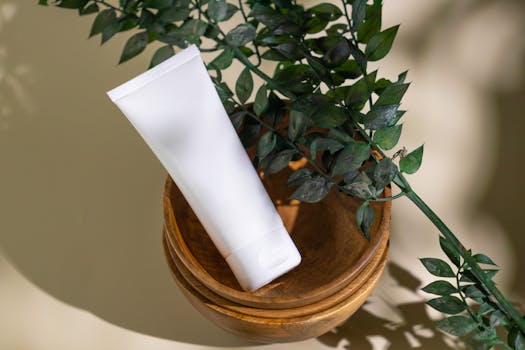
Minimalist skincare tube with green leaves in a wooden bowl, ideal for eco-friendly cosmetic themes. Photo: Andrzej Gdula / Pexels
The term 'clean beauty' has taken the Canadian beauty industry by storm, yet its definition remains fluid and often interpreted differently by brands, retailers, and consumers alike. Unlike organic food, there isn't a single, universally recognized certification or government-mandated standard for 'clean' beauty products in Canada. This lack of a unified definition can be both empowering and confusing for consumers seeking healthier, more ethical choices. At its core, clean beauty generally refers to products formulated without ingredients linked to potential health concerns, such as endocrine disruptors, carcinogens, or irritants, and often extends to ethical sourcing, sustainable packaging, and cruelty-free practices. However, the exact list of 'no-no' ingredients can vary significantly between brands, making consumer education paramount. Some brands might focus solely on avoiding synthetic fragrances and parabens, while others adopt a much stricter approach, excluding a lengthy list of thousands of ingredients. In Canada, cosmetic regulations fall under Health Canada, which maintains a 'Cosmetic Ingredient Hotlist' – a list of ingredients that are restricted or prohibited in cosmetics. While this hotlist provides a baseline for safety, it's important to understand that many ingredients considered 'unclean' by the clean beauty movement are not explicitly on this list. This regulatory gap is precisely where the clean beauty movement gains traction, pushing for greater transparency and more stringent ingredient standards than legally required. Consumers are increasingly demanding to know not just what's in their products, but also where it comes from and how it's made. This includes concerns about environmental impact, labour practices, and animal testing. Therefore, when we talk about what is clean beauty Canada, we're discussing a movement driven by consumer demand for transparency, safety, and ethical responsibility, rather than a strictly regulated category. It's a journey towards conscious consumption, where personal values play a significant role in purchasing decisions. Navigating this landscape requires a keen eye for detail, a willingness to research, and an understanding that 'clean' is a spectrum, not a binary state. For a deeper dive into ethical beauty practices, check out our guide on sustainable beauty choices. This multifaceted approach is what defines the Canadian clean beauty scene, encouraging brands to go above and beyond minimum regulatory requirements to meet the evolving expectations of their customer base. It's about empowering individuals to make informed decisions that align with their personal health and environmental values.

Navigating Health Canada's Role and Ingredient Scrutiny
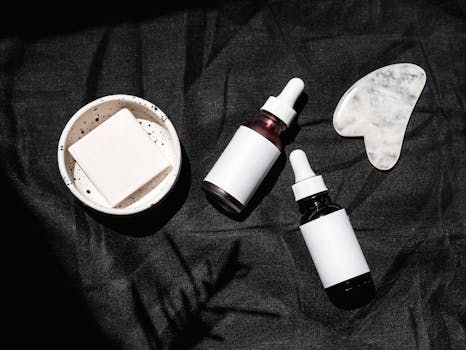
High-angle view of skincare products including serums, gua sha, and bar soap on a dark fabric backdrop. Photo: Polina ⠀ / Pexels
Understanding the regulatory landscape is crucial when discussing what is clean beauty Canada. Health Canada is responsible for regulating cosmetics under the Food and Drugs Act and the Cosmetic Regulations. Their primary tool for ensuring safety is the aforementioned Cosmetic Ingredient Hotlist, which identifies substances that are prohibited or restricted in cosmetic products. This list includes known carcinogens, reproductive toxins, and other hazardous chemicals. While the Hotlist is a vital safety measure, it's often viewed by clean beauty advocates as a minimum standard, not a comprehensive guide to what makes a product 'clean.' Many ingredients commonly avoided by clean beauty brands, such as certain silicones, PEGs (polyethylene glycols), or synthetic dyes, are not on the Hotlist and are therefore legally permitted in Canadian cosmetics. This distinction is important: a product can be legally compliant with Health Canada regulations but still not align with the principles of clean beauty. This is where consumer vigilance and brand transparency become paramount. Consumers are encouraged to go beyond simply checking for the Hotlist ingredients and delve deeper into the full ingredient list (INCI list) provided on product packaging. Learning to decipher these often-complex names is a significant step in your clean beauty journey. Websites like the Environmental Working Group (EWG) Skin Deep database or Think Dirty app can be valuable resources for researching individual ingredients and understanding their potential health impacts. They often provide hazard ratings and explanations for common cosmetic chemicals, empowering consumers to make more informed decisions. Furthermore, the clean beauty movement in Canada isn't just about avoiding 'bad' ingredients; it's also about promoting 'good' ones. This often translates to a preference for natural, plant-derived ingredients, though it's important to remember that 'natural' doesn't automatically equate to 'safe' or 'clean.' Some natural ingredients can be allergens or irritants. Therefore, a holistic approach to ingredient scrutiny is necessary, focusing on both the absence of concerning chemicals and the beneficial qualities of the chosen components. The dialogue around clean beauty in Canada is constantly evolving, with brands pushing boundaries and consumers demanding more. This creates a dynamic environment where ingredient innovation and transparency are highly valued, fostering a marketplace where conscious choices are becoming increasingly accessible and prioritized by forward-thinking companies. The challenge, and the opportunity, lies in educating oneself to navigate this complex but rewarding terrain, ultimately leading to a more informed and empowered beauty routine.

The Rise of Canadian Clean Beauty Brands and Sustainability

Close-up portrait of a young woman with babys breath flowers in focus. Photo: Nataliya Vaitkevich / Pexels
Canada has become a burgeoning hub for innovative clean beauty brands, many of which are leading the charge in not only ingredient safety but also ethical and sustainable practices. These Canadian brands often distinguish themselves by prioritizing locally sourced ingredients, minimizing their environmental footprint, and maintaining a high degree of transparency with their customers. When exploring what is clean beauty Canada, it's impossible to overlook the significant contributions of these homegrown companies. Many Canadian clean beauty brands leverage the country's rich natural resources, incorporating ingredients like maple sap, glacial clay, various berries, and botanical extracts unique to the Canadian landscape. This focus on local sourcing not only supports Canadian agriculture and producers but also often reduces the carbon footprint associated with long-distance transportation of raw materials. Beyond ingredients, sustainability is a cornerstone for many Canadian clean beauty companies. This commitment manifests in various ways: using recyclable, refillable, or biodegradable packaging; minimizing water usage in manufacturing; employing energy-efficient production methods; and engaging in fair trade practices. Some brands even go a step further, implementing take-back programs for their packaging or donating a portion of their profits to environmental initiatives. The emphasis on ethical practices also extends to animal welfare. A vast majority of Canadian clean beauty brands are proudly cruelty-free, meaning their products and ingredients are not tested on animals. Many also offer vegan options, catering to a growing consumer base that avoids animal-derived ingredients. This comprehensive approach – from ingredient sourcing to packaging and corporate social responsibility – positions Canadian clean beauty brands as leaders in the global movement towards more conscious consumption. They are not just selling products; they are selling a philosophy of wellness, respect for the environment, and ethical business. Supporting these brands not only benefits your skin but also contributes to a more sustainable and responsible beauty industry. For more insights into how to choose products that align with your values, explore our guide on ethical beauty product selection. This robust ecosystem of Canadian clean beauty innovators demonstrates a clear commitment to going beyond mere compliance, actively shaping a future where beauty and environmental stewardship go hand-in-hand, setting a high bar for the industry at large and empowering consumers to make choices that truly matter.

Essential Tips for Embracing Clean Beauty in Canada
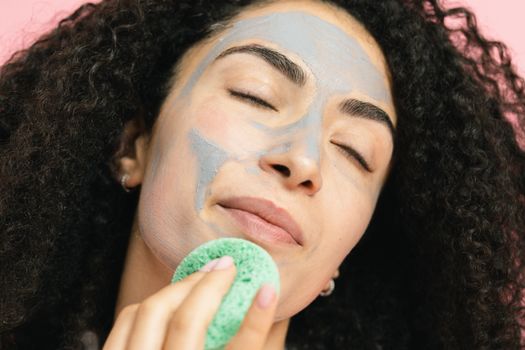
A woman with curly hair enjoys a relaxing facial treatment with a clay mask and sponge. Photo: SHVETS production / Pexels
Transitioning to a clean beauty routine in Canada can feel overwhelming, but with a few key strategies, you can confidently navigate the market. Here are essential tips to guide your journey: * **Educate Yourself on 'Dirty Dozen' Ingredients (and Beyond):** While the term 'Dirty Dozen' isn't universally agreed upon, familiarize yourself with common ingredients many clean beauty brands avoid, such as parabens, phthalates, sulfates (SLS/SLES), synthetic fragrances, formaldehyde releasers, mineral oil, PEGs, and certain silicones. Understand *why* these are often excluded. Resources like the EWG Skin Deep database are invaluable for ingredient research. * **Read Ingredient Lists Diligently:** Don't just rely on marketing claims like 'natural' or 'eco-friendly.' Flip the product over and read the INCI (International Nomenclature of Cosmetic Ingredients) list. Ingredients are listed in order of concentration. Look for shorter, more recognizable lists, but also learn to identify the scientific names of beneficial natural extracts. * **Prioritize Brands with Transparency:** Choose brands that are open about their sourcing, manufacturing processes, and ingredient philosophy. Many clean beauty brands in Canada provide detailed information on their websites, explaining why they choose certain ingredients and avoid others. Look for brands that offer full disclosure. * **Start Small and Swap Gradually:** You don't need to overhaul your entire beauty cabinet overnight. Begin by swapping out products you use daily or that cover large areas of your skin, such as moisturizers, cleansers, and body lotions. As products run out, replace them with clean alternatives. * **Look for Certifications (with Caution):** While no single Canadian 'clean beauty' certification exists, look for third-party certifications that align with your values, such as Leaping Bunny (cruelty-free), Ecocert/COSMOS (organic/natural), or EWG Verified (strict health standards). Remember that many genuinely clean brands may not have these due to cost or philosophical reasons. * **Patch Test New Products:** Even 'clean' ingredients can cause reactions in sensitive individuals. Always patch test new products on a small area of skin before applying them all over. * **Consider Local and Canadian Brands:** Supporting Canadian clean beauty brands often means supporting businesses with a deeper understanding of local regulations, ethical sourcing within Canada, and a commitment to reducing their environmental footprint within the region. They are often more accessible and responsive to Canadian consumer needs. By following these tips, you can confidently navigate the clean beauty landscape in Canada, making informed choices that benefit your health, your skin, and the planet.

Comparison

FeatureClean Beauty (Canada)Conventional BeautyOrganic Beauty
DefinitionFocus on non-toxic, safe ingredients; often ethical/sustainable.Regulated by Health Canada, follows minimum safety standards.Ingredients derived from organic farming practices.
Ingredient AvoidanceParabens, phthalates, sulfates, synthetic fragrance, some silicones.Health Canada Hotlist ingredients (e.g., lead, mercury).Synthetic pesticides, GMOs, petroleum-based fertilizers.
Regulatory OversightSelf-regulated by brands/retailers; no universal standard.Regulated by Health Canada (Food and Drugs Act).Third-party certifications (e.g., Ecocert, USDA Organic).
TransparencyHigh emphasis on ingredient disclosure and sourcing.Ingredients listed as required by law.Full disclosure of organic content and certifications.
Sustainability FocusOften includes ethical sourcing, eco-packaging, cruelty-free.Variable, depends on individual brand initiatives.Emphasizes environmental impact of ingredient farming.
CostCan be higher due to specialized ingredients/production.Wide range, from budget to luxury.Often higher due to organic certification and sourcing.

What Readers Say

"Before I understood what is clean beauty Canada, I struggled with skin sensitivities. Switching to Canadian clean beauty brands has transformed my skin, making it calmer and clearer. The transparency these brands offer is truly refreshing."

Sarah L. · Toronto, ON

"I appreciate that many Canadian clean beauty brands prioritize sustainability. It feels good to know my purchases are not only good for my skin but also for the environment. My search for 'what is clean beauty Canada' led me to some amazing local businesses."

Marc D. · Vancouver, BC

"I was skeptical at first, but after diving into what is clean beauty Canada, I've seen a noticeable improvement in my complexion. My previous acne issues have significantly reduced, and my skin feels much healthier without harsh chemicals."

Emily R. · Montreal, QC

"Finding truly clean beauty products in Canada can be a bit of a learning curve, especially with so many varying definitions. However, once you find brands that align with your values, the benefits are clear. I wish there was a clearer government standard."

Jessica P. · Calgary, AB

"As someone with severe allergies, understanding what is clean beauty Canada and finding fragrance-free, minimalist formulations has been life-changing. I no longer have to worry about hidden irritants, and my skin has never been happier."

David K. · Halifax, NS

Frequently Asked Questions

Is 'clean beauty' legally defined in Canada?

No, 'clean beauty' does not have a universal legal definition in Canada. The term is primarily driven by consumer demand and brand marketing, focusing on transparency and the avoidance of certain ingredients. Products are regulated by Health Canada under the Food and Drugs Act, but this focuses on minimum safety standards, not a specific 'clean' designation.

Are Canadian clean beauty products safe for sensitive skin?

Many Canadian clean beauty products are formulated with sensitive skin in mind, often avoiding common irritants like synthetic fragrances, dyes, and harsh preservatives. However, 'natural' ingredients can also cause reactions, so it's always recommended to patch test new products, especially if you have sensitive skin or known allergies.

How can I identify a truly clean beauty product in Canada?

To identify a truly clean beauty product in Canada, look beyond marketing claims. Scrutinize the ingredient list for common 'unclean' ingredients like parabens, phthalates, and sulfates. Research the brand's philosophy and transparency, and consider looking for third-party certifications like Leaping Bunny or EWG Verified, though these are not mandatory for all clean brands.

Is clean beauty more expensive in Canada?

Clean beauty products in Canada can sometimes be more expensive than conventional alternatives due to higher quality, often sustainably sourced ingredients, ethical manufacturing practices, and smaller production runs. However, the market is growing, and more affordable clean options are becoming available as demand increases. It's an investment in your health and values.

How does Canadian clean beauty compare to European standards?

European Union cosmetic regulations are often considered stricter than those in Canada and the US, banning or restricting a much larger number of chemicals. While Canadian clean beauty brands often aim to meet or exceed EU standards, it's important to remember that 'clean beauty' is a brand-driven philosophy, not a regulatory standard in either region. Always check specific brand commitments.

Who should consider switching to clean beauty in Canada?

Anyone concerned about the ingredients in their personal care products, their potential health impacts, or the environmental and ethical footprint of their beauty routine should consider switching to clean beauty in Canada. It's particularly beneficial for individuals with sensitive skin, allergies, or those committed to a more sustainable and conscious lifestyle.

Are 'natural' and 'organic' the same as 'clean beauty'?

No, 'natural' and 'organic' are related but not synonymous with 'clean beauty.' 'Natural' means ingredients are derived from nature, but can still be irritants. 'Organic' refers to ingredients grown without synthetic pesticides or fertilizers, focusing on agricultural practices. 'Clean beauty' is a broader philosophy encompassing safety, transparency, and often ethical/sustainable practices, which may include natural and organic ingredients but also considers synthetic alternatives if proven safe.

What are the future trends for clean beauty in Canada?

Future trends for clean beauty in Canada are likely to include even greater transparency, a stronger focus on refillable and zero-waste packaging, personalized clean formulations, and a deeper integration of scientific research to validate ingredient efficacy and safety. Expect continued growth in local sourcing and indigenous ingredient utilization, further solidifying Canada's unique position in the global clean beauty market.

Embracing what is clean beauty Canada is a journey towards more conscious and healthier choices for your skin and the planet. By staying informed and supporting transparent brands, you empower yourself to make a positive impact, one product at a time. Start your clean beauty journey today and experience the difference.

Topics: clean beauty Canadaethical beauty Canadasustainable skincare Canadanon-toxic beauty CanadaCanadian clean beauty brands
Leo List
Brampton weed
Adultwork