What is Hyaluronic Acid Good For Skin? Your Ultimate Guide
what is hyaluronic acid good for skin

What is Hyaluronic Acid Good For Skin? Your Ultimate Guide

Uncover the powerful hydrating and rejuvenating secrets of hyaluronic acid for a plump, smooth, and youthful complexion.

Unlock Radiant Skin Now

Key Takeaways

  • ✓ Hyaluronic acid (HA) is a powerful humectant, capable of holding up to 1,000 times its weight in water.
  • ✓ Naturally found in the skin, HA levels decrease with age, leading to dryness and fine lines.
  • ✓ Topical application of HA helps to deeply hydrate, plump the skin, and reduce the appearance of wrinkles.
  • ✓ Suitable for all skin types, including sensitive and acne-prone skin, due to its gentle nature.

How It Works

1
Attracts & Binds Water

Hyaluronic acid is a humectant, meaning it draws moisture from the environment and deeper layers of your skin to the surface. It then binds this water, preventing it from evaporating too quickly.

2
Creates a Hydration Reservoir

By holding onto water molecules, HA forms a hydrating layer on the skin's surface. This acts as a reservoir, continuously supplying moisture to the skin cells throughout the day.

3
Plumps & Smooths

The increased water content within the skin cells causes them to swell, leading to a plumping effect. This visibly reduces the appearance of fine lines and wrinkles, making the skin appear smoother and firmer.

4
Supports Skin Barrier

Adequate hydration from HA strengthens the skin's natural barrier function. A healthy barrier is crucial for protecting the skin from environmental aggressors and retaining essential moisture.

Understanding Hyaluronic Acid: The Skin's Natural Moisturizer

Two scientists experimenting with blue liquid in an indoor laboratory environment. Photo: cottonbro studio / Pexels
Hyaluronic Acid, often abbreviated as HA, is a naturally occurring glycosaminoglycan found throughout the body's connective tissues, with the highest concentrations residing in our skin, eyes, and joints. Its primary function is to retain water, keeping tissues well-lubricated and moist. In the context of skin, HA acts like a super-sponge, capable of holding up to 1,000 times its weight in water. This remarkable ability makes it an indispensable component for maintaining skin hydration, elasticity, and overall youthful appearance. Think of your skin as a plump grape when it's young and full of HA, and then a raisin as HA levels naturally decline with age. This decline, starting as early as our mid-20s, is a significant contributor to the development of dryness, fine lines, and wrinkles. Environmental factors like sun exposure, pollution, and even certain lifestyle choices can accelerate this depletion. When we talk about what is hyaluronic acid good for skin, its role in hydration is paramount. It doesn't just add moisture; it helps the skin retain it, creating a protective barrier that prevents transepidermal water loss (TEWL). This means that not only does your skin feel softer and look more supple immediately after application, but it also becomes more resilient over time. The different molecular weights of HA play a crucial role in its efficacy. High molecular weight HA forms a protective, hydrating film on the skin's surface, offering immediate plumping and smoothing effects. Lower molecular weight HA, on the other hand, can penetrate deeper into the skin, providing hydration at a cellular level and potentially stimulating the skin's own HA production. Many modern HA serums contain a blend of these molecular weights to deliver comprehensive hydration. Understanding this fundamental mechanism is key to appreciating why HA has become a cornerstone ingredient in virtually every effective skincare routine, catering to a wide array of skin concerns. This versatility makes it an excellent addition for almost anyone looking to boost their skin's health and appearance. The beauty industry has embraced HA, incorporating it into everything from cleansers to moisturizers, recognizing its unparalleled hydrating prowess. For more insights into comprehensive skincare, explore our guide on essential skincare routines.

The Multifaceted Benefits of Hyaluronic Acid for Your Complexion

A close-up photo focusing on lips with water droplets on skin, conveying freshness. Photo: SHVETS production / Pexels
Beyond its primary role as a powerful humectant, what is hyaluronic acid good for skin in terms of broader benefits? The answer lies in its cascading positive effects on skin health. Firstly, the most immediate and noticeable benefit is intense hydration. By drawing moisture from the air and binding it to the skin, HA instantly quenches thirsty skin, making it feel softer, smoother, and more comfortable. This deep hydration is critical for all skin types, even oily skin, which can often be dehydrated despite excess oil production. Dehydrated oily skin can paradoxically produce more oil to compensate, leading to breakouts. HA helps balance this. Secondly, HA is an exceptional anti-aging ingredient. The plumping effect it provides significantly reduces the appearance of fine lines and wrinkles. When skin cells are adequately hydrated, they appear fuller and smoother, effectively minimizing the visual depth of creases. This isn't just a temporary fix; consistent use of HA can contribute to long-term improvements in skin texture and elasticity. It helps restore the skin's youthful bounce and resilience, making it a staple in any anti-aging regimen. Thirdly, hyaluronic acid plays a vital role in strengthening the skin's natural barrier. A healthy skin barrier is your first line of defense against environmental aggressors, irritants, and pollution. When the barrier is compromised, skin becomes vulnerable to damage, inflammation, and moisture loss. By ensuring optimal hydration, HA helps reinforce this barrier, leading to healthier, more resilient skin that is less prone to sensitivity and redness. This makes it particularly beneficial for individuals with sensitive or compromised skin barriers. Fourthly, HA contributes to improved skin texture and tone. Consistent hydration leads to a smoother, more even skin surface. Pores can appear less prominent when the surrounding skin is plump and firm. Furthermore, by supporting healthy cell function and turnover, HA can indirectly contribute to a more radiant and luminous complexion. It helps create the ideal environment for skin cells to thrive, leading to a natural, healthy glow. Lastly, hyaluronic acid is known for its wound healing properties. While not a primary use in everyday skincare, studies have shown that HA can help accelerate the healing process of minor cuts, abrasions, and even post-procedure skin by promoting cell proliferation and migration. This further underscores its role in maintaining overall skin integrity and health, making it a truly multifaceted ingredient. Its gentle nature also means it's generally well-tolerated, even by those with reactive skin, making it a universal hero in the skincare world.

Integrating Hyaluronic Acid into Your Daily Skincare Routine
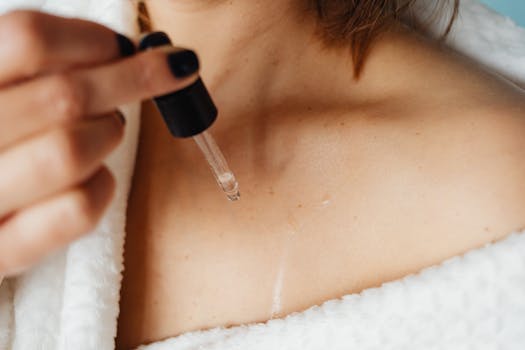
A woman applying skin care oil to her collarbone area for self-care treatment. Photo: www.kaboompics.com / Pexels
Now that we’ve established what is hyaluronic acid good for skin, the next logical step is understanding how to effectively incorporate it into your daily skincare regimen for maximum benefit. The good news is that HA is incredibly versatile and plays well with most other active ingredients, making it easy to add to an existing routine. The optimal time to apply a hyaluronic acid serum is typically after cleansing and toning, but before heavier serums, oils, or moisturizers. The key is to apply it to damp skin. Why damp? Because as a humectant, HA needs moisture to draw upon. Applying it to dry skin can, in some cases, draw moisture from the deeper layers of your skin, potentially leading to a feeling of dryness, especially in very arid environments. After cleansing, leave your face slightly wet, or mist it with a facial spray or even plain water before applying your HA serum. Start with a small amount, typically 2-3 drops, and gently press it into your face and neck. Allow it a moment to absorb before moving on to your next step. Following with a moisturizer is crucial. The moisturizer acts as an occlusive layer, sealing in the hydration provided by the HA and preventing it from evaporating. Without this sealing step, especially in dry climates, the HA might not perform optimally. In the morning, always finish your routine with a broad-spectrum sunscreen to protect your newly hydrated and plumped skin from UV damage. For those with specific concerns, HA can be layered with other active ingredients. For instance, if you use Vitamin C in the morning, apply HA after your Vitamin C serum. If you use retinol at night, apply HA after your retinol to help counteract any potential dryness or irritation. Its soothing and hydrating properties make it an excellent companion to more potent actives. Consider products that combine HA with other beneficial ingredients like ceramides for barrier repair, or niacinamide for pore refinement and soothing. Remember, consistency is key; incorporating HA daily, both morning and night, will yield the best long-term results. Experiment with different formulations and molecular weights to find what works best for your skin. For further reading on complementary ingredients, check out our article on boosting your skin's radiance.

Common Mistakes and Expert Tips for Hyaluronic Acid Application

Young Caucasian woman applying moisturizer while smiling in front of a mirror indoors. Photo: Ivan S / Pexels
While hyaluronic acid is generally a very forgiving ingredient, there are a few common pitfalls to avoid to ensure you're getting the most out of what is hyaluronic acid good for skin. The most frequent mistake, as mentioned, is applying HA to completely dry skin. This can lead to the HA drawing moisture from your skin's deeper layers, potentially causing a tight or even drier sensation, especially in low-humidity environments. Always apply to damp skin, whether it's freshly cleansed, misted, or after a hydrating toner. Another error is not following up with a moisturizer. HA is a humectant, not an occlusive. It attracts water, but it doesn't necessarily lock it in. A good moisturizer acts as a barrier to prevent that attracted moisture from evaporating, completing the hydration cycle. **Expert Tips for Optimal HA Use:** * **Layer Correctly:** Apply HA after cleansing and toning, but before heavier creams or oils. It should be one of the first leave-on treatments. * **Consider Molecular Weight:** Some products specify high, low, or multi-molecular weight HA. Lower molecular weight can penetrate deeper, while higher molecular weight offers surface hydration. A blend is often ideal. * **Don't Overdo It:** A little goes a long way. 2-3 drops of serum are usually sufficient for the face and neck. Using too much won't necessarily yield better results and might leave a slightly sticky feeling. * **Combine with Other Actives:** HA is a fantastic buffer. If you're using strong actives like retinoids or AHAs, applying HA beforehand or afterward can help mitigate potential irritation and dryness. * **Listen to Your Skin:** While HA is generally safe for all skin types, if you experience any adverse reactions, discontinue use. Sometimes, specific formulations might not suit you. * **Store Properly:** Keep your HA serums in a cool, dark place away from direct sunlight to maintain their efficacy. By avoiding these common mistakes and implementing these expert tips, you can ensure that your hyaluronic acid product delivers its full potential, leaving your skin plump, hydrated, and radiant. Understanding these nuances will significantly enhance your experience and the visible results you achieve with this powerhouse ingredient.

Comparison

FeatureHyaluronic Acid SerumHydrating TonerMoisturizer (with HA)
Primary FunctionIntense Hydration & PlumpingPrep & Mild HydrationSeal Hydration & Nourish
Application OrderAfter Cleanse/Tone, Before MoisturizerAfter Cleanse, Before SerumsLast Step (AM/PM)
Moisture RetentionHigh (draws & binds)Moderate (initial boost)High (locks in)
Penetration DepthVaries by molecular weightSurfaceSurface to Mid-Dermis
Best ForTargeted hydration, anti-agingAll skin types, daily prepAll skin types, barrier support

What Readers Say

"I've struggled with dry patches for years, and discovering what is hyaluronic acid good for skin was a game-changer. My skin feels incredibly soft and plump, and those fine lines around my eyes are noticeably less visible. It's a daily essential now!"

Sarah L. · Vancouver, BC

"As a guy, I wanted something simple but effective. This HA serum gives my skin a healthy, hydrated look without feeling greasy. It's truly helped improve my skin's texture and overall appearance."

Mark D. · Toronto, ON

"After just two weeks of consistent use, my skin's hydration levels have soared. My makeup applies smoother, and I no longer have that tight, dry feeling by midday. It's like my skin finally drank enough water!"

Emily R. · Calgary, AB

"I love how hydrating hyaluronic acid is, but I did notice that in very dry indoor environments, I need to be extra diligent about applying it to damp skin and sealing it with a rich moisturizer. Otherwise, it can feel a little counterproductive. Still, a great product overall."

Jessica M. · Montreal, QC

"I started using HA to help with post-shave irritation and redness. Not only has it calmed my skin, but it's also made my complexion look much healthier and less dull. It's surprisingly effective for more than just wrinkles."

David S. · Halifax, NS

Frequently Asked Questions

What is the best way to apply hyaluronic acid for optimal results?

Apply hyaluronic acid serum to damp skin immediately after cleansing and toning. This allows the HA to draw moisture from the environment into your skin. Follow up with a moisturizer to seal in the hydration and prevent it from evaporating, especially in dry climates. Consistency, both morning and night, yields the best results.

Can hyaluronic acid cause dryness if not used correctly?

Yes, if applied to completely dry skin in a very low-humidity environment without being sealed with a moisturizer, hyaluronic acid can potentially draw moisture from deeper layers of your skin, leading to a feeling of dryness. Always apply to damp skin and follow with an occlusive moisturizer to prevent this.

How often should I use hyaluronic acid in my skincare routine?

Hyaluronic acid is gentle and well-tolerated enough for daily use, both in your morning and evening skincare routines. Consistent application will provide the most significant benefits for hydration and skin health over time.

Is hyaluronic acid expensive, and are there affordable options?

While some high-end HA serums can be pricey, there are many excellent and affordable hyaluronic acid products available from various brands. The cost often depends on the concentration, molecular weight blend, and additional ingredients. You can find effective options at different price points.

How does hyaluronic acid compare to other hydrating ingredients like glycerin?

Both hyaluronic acid and glycerin are excellent humectants. HA is known for its remarkable capacity to hold a vast amount of water, making it a powerful plumper. Glycerin is also very effective and often found alongside HA in formulations. HA typically offers a more noticeable plumping effect due to its larger molecular structure and higher water-binding capacity.

Who should use hyaluronic acid in their skincare routine?

Hyaluronic acid is beneficial for virtually all skin types, including dry, oily, combination, sensitive, and acne-prone skin. It's particularly recommended for anyone looking to boost hydration, reduce the appearance of fine lines, improve skin barrier function, or achieve a more plump and radiant complexion.

Are there any side effects or risks associated with using hyaluronic acid?

Hyaluronic acid is generally very safe and well-tolerated, even by sensitive skin, as it's a substance naturally found in the body. Allergic reactions are rare but possible, so always patch test new products. The main 'risk' is improper application (dry skin, no moisturizer) which can lead to temporary dryness, but this is easily remedied.

What are the future trends for hyaluronic acid in skincare?

Future trends for hyaluronic acid include more advanced formulations combining different molecular weights for multi-depth hydration, increased integration with probiotics for microbiome support, and personalized skincare solutions leveraging HA in conjunction with other bio-actives. We may also see more sustainable sourcing methods.

Ready to transform your skin with unparalleled hydration and a youthful glow? Understanding what is hyaluronic acid good for skin is your first step towards a healthier, more radiant complexion. Incorporate this powerhouse ingredient into your routine today and witness the incredible benefits for yourself.

Topics: what is hyaluronic acid good for skinhyaluronic acid benefitshyaluronic acid skin carehydrating serumanti-aging ingredients
Leo List
Brampton weed
Adultwork