✓ Clean beauty lacks a universal legal definition in Canada, leading to brand-specific interpretations.
✓ It generally emphasizes transparency, natural/naturally-derived ingredients, and the absence of 'dirty list' chemicals.
✓ Canadian regulations for cosmetics are among the strictest globally, overseen by Health Canada.
✓ Sustainability and ethical sourcing are increasingly integral to the clean beauty movement in Canada.
How It Works
1
Understand the 'Why'
Educate yourself on common 'dirty list' ingredients and their potential impacts on health and the environment. This foundational knowledge empowers you to make informed decisions.
2
Decipher Labels
Learn to read ingredient lists critically, recognizing both beneficial components and those you wish to avoid. Look for certifications and transparent brand communication.
3
Research Canadian Brands
Explore Canadian clean beauty brands known for their commitment to ingredient safety, ethical practices, and local sourcing. Many offer detailed ingredient breakdowns on their websites.
4
Build Your Routine
Gradually integrate clean beauty products into your regimen, starting with high-use items like cleansers and moisturizers. Pay attention to how your skin responds and adjust as needed.
Defining Clean Beauty in the Canadian Context
Photo: Nataliya Vaitkevich / Pexels
The term 'clean beauty' has exploded in popularity, becoming a buzzword across the beauty industry. However, unlike organic food or pharmaceutical products, there isn't a single, universally accepted legal definition for 'clean beauty'—especially not in Canada. This lack of a standardized definition can make navigating the market incredibly confusing for consumers who are genuinely trying to make healthier, more responsible choices. In Canada, the understanding of 'clean beauty' primarily revolves around a philosophy of transparency, ingredient consciousness, and often, sustainability. It's a consumer-driven movement, pushing brands to disclose more about their formulations and sourcing.
At its core, clean beauty in Canada generally implies products free from a growing list of ingredients considered potentially harmful, irritating, or controversial. This 'no-list' or 'dirty list' varies from brand to brand, but commonly includes parabens, phthalates, sulfates (SLS/SLES), synthetic fragrances, certain dyes, formaldehyde releasers, and PEGs. The emphasis is on formulations that are perceived as safer for human health and often, better for the environment. Canadian consumers are increasingly sophisticated, demanding not just efficacy but also ethical considerations in their beauty purchases. This means brands are expected to go beyond mere ingredient exclusion, addressing concerns like cruelty-free practices, sustainable packaging, and fair trade sourcing.
Health Canada, the regulatory body for cosmetics in Canada, plays a crucial role in ensuring the safety of beauty products on the market. While they don't define 'clean beauty,' they do have strict regulations regarding what ingredients can and cannot be used in cosmetics, and at what concentrations. All cosmetic products sold in Canada must comply with the Food and Drugs Act and the Cosmetic Regulations. Manufacturers are required to notify Health Canada within 10 days of the product being first sold, providing information such as the product's function, ingredients, and any warnings. This regulatory framework provides a baseline of safety, but clean beauty advocates often push for standards that exceed these minimum legal requirements, focusing on ingredients that may be legally permitted but still raise consumer concerns.
Beyond ingredient safety, the Canadian clean beauty landscape is also deeply intertwined with sustainability. Consumers are not just asking 'Is it safe for me?' but also 'Is it safe for the planet?' This includes scrutinizing packaging materials (recycled, recyclable, refillable), water usage in production, ethical sourcing of raw materials, and the environmental impact of the entire supply chain. Canadian clean beauty brands are often at the forefront of these discussions, innovating with biodegradable formulas, upcycled ingredients, and initiatives to reduce their carbon footprint. The quest for clean beauty in Canada is therefore a holistic one, encompassing personal wellness, environmental stewardship, and ethical consumption. Understanding these multifaceted aspects is the first step in truly embracing a clean beauty lifestyle in Canada. For more on general beauty trends, explore modern beauty standards.
Navigating the 'Dirty List': Key Ingredients to Watch For
Photo: DS stories / Pexels
One of the most defining aspects of the clean beauty movement, both globally and specifically in Canada, is the concept of the 'dirty list' – a compilation of ingredients that many clean beauty brands and consumers choose to avoid. While there's no single, universally agreed-upon dirty list, certain ingredients consistently appear due to potential health concerns, environmental impact, or irritating properties. Understanding these key categories is crucial for any Canadian consumer looking to make informed choices about their beauty products.
Parabens are a primary concern. These preservatives, such as methylparaben, propylparaben, and butylparaben, are used to prevent the growth of bacteria and mold in cosmetics. However, they have been linked to endocrine disruption, meaning they can interfere with the body's hormone system. While Health Canada regulates their use, many clean beauty brands opt for alternative preservation systems due to consumer demand and precautionary principles.
Phthalates, often found in synthetic fragrances and nail polishes, are another group of chemicals to watch. They are used to make plastics more flexible and to help fragrances last longer. Like parabens, phthalates are also suspected endocrine disruptors and have been associated with various health issues. The challenge with phthalates is that they are often not explicitly listed on ingredient labels if they are part of a 'fragrance' or 'parfum' blend, which is typically considered proprietary information. This lack of transparency is a major driver behind the clean beauty push for fragrance-free or naturally fragranced products.
Sulfates, particularly Sodium Lauryl Sulfate (SLS) and Sodium Laureth Sulfate (SLES), are common foaming agents found in shampoos, body washes, and cleansers. While they are highly effective at creating lather and removing oil, they can be irritating to the skin and scalp, stripping away natural oils and potentially exacerbating conditions like eczema or sensitive skin. Many clean beauty formulations in Canada now use gentler, plant-derived surfactants as alternatives.
Synthetic fragrances and dyes are also frequently on the dirty list. 'Fragrance' or 'Parfum' on an ingredient list can represent a complex mixture of hundreds of undisclosed chemicals, some of which may be allergens, irritants, or endocrine disruptors. Similarly, synthetic dyes, often listed as FD&C or D&C numbers, can be derived from petroleum and have been linked to sensitivities. Clean beauty alternatives often use essential oils, natural extracts, or mineral-based pigments for scent and colour.
Other ingredients commonly avoided include formaldehyde-releasing preservatives (such as quaternium-15, DMDM hydantoin), mineral oil and petroleum jelly (due to concerns about purity and potential for pore-clogging), silicones (for environmental persistence), and certain chemical sunscreens (oxybenzone, octinoxate) due to concerns about coral reef damage and potential systemic absorption. The comprehensive approach of clean beauty means constantly evaluating new research and consumer concerns, leading to an evolving 'dirty list' that Canadian brands are increasingly responding to by formulating with greater care and transparency.
Canadian Regulations vs. Clean Beauty Standards: A Deeper Look
Photo: ClickerHappy / Pexels
Understanding the interplay between Health Canada's regulatory framework and the self-imposed standards of the clean beauty movement is paramount for Canadian consumers. While Health Canada sets the legal baseline for cosmetic safety, clean beauty brands often aim to exceed these requirements, driven by a philosophy of precaution and consumer demand for greater transparency and 'healthier' formulations.
Health Canada's approach to cosmetic regulation is robust. Under the Food and Drugs Act and the Cosmetic Regulations, all cosmetic products sold in Canada must be safe for use and must not pose a risk to the health of the consumer. This includes requirements for ingredient disclosure, manufacturing practices, and labelling. Manufacturers and importers are legally obligated to notify Health Canada about the cosmetic products they sell, providing a list of ingredients. This allows Health Canada to monitor the market and take action if a product is found to be unsafe. They maintain a 'Cosmetic Ingredient Hotlist,' which is a list of ingredients that are prohibited or restricted for use in cosmetics in Canada. This list is regularly updated based on scientific evidence and international regulatory developments. For instance, ingredients like formaldehyde and certain coal tar dyes are either prohibited or have strict concentration limits.
However, the clean beauty movement often addresses ingredients that are legally permitted by Health Canada but still raise concerns among consumers or environmental groups. Take, for example, certain synthetic fragrances. While Health Canada permits their use within specified limits, the clean beauty ethos often advocates for their exclusion due to the potential for allergens, irritants, or the lack of full ingredient disclosure within the 'fragrance' blend. Similarly, while parabens are regulated by Health Canada for maximum concentrations, many clean beauty brands choose to be completely paraben-free, responding to consumer apprehension about potential endocrine disruption, even if Health Canada deems current usage levels safe.
This divergence highlights a key aspect of clean beauty: it's often about consumer preference and a proactive, precautionary approach rather than simply adhering to minimum legal requirements. Clean beauty brands in Canada often go above and beyond by:
* **Voluntarily excluding ingredients:** Removing ingredients from their formulations that are legally allowed but are on common 'dirty lists.'
* **Prioritizing natural and naturally-derived ingredients:** Focusing on botanical extracts, essential oils, and minerals, often with certifications like Ecocert or COSMOS.
* **Emphasizing transparency:** Providing detailed ingredient lists, explaining ingredient functions, and often disclosing their 'no-lists' clearly on their websites.
* **Adopting sustainable practices:** This extends beyond ingredients to packaging, manufacturing processes, and ethical sourcing, areas where Health Canada's regulations are less direct but are central to the clean beauty ethos. For more insights into ethical sourcing, check out ethical beauty choices.
In essence, Canadian regulations provide a safety net, ensuring that products are not overtly harmful. Clean beauty standards, on the other hand, represent a higher bar, reflecting evolving consumer values and a desire for products that are not just safe, but also 'clean' in a broader, more holistic sense, encompassing health, ethics, and environmental responsibility.
Building a Clean Beauty Routine: Tips and Canadian Brand Spotlights
Photo: cottonbro studio / Pexels
Transitioning to a clean beauty routine in Canada doesn't have to be an overwhelming overhaul; it can be a gradual and empowering process. The key is to start small, educate yourself, and prioritize products based on your personal values and skin needs. Here are some actionable tips and a spotlight on some exemplary Canadian clean beauty brands.
**Tips for Building Your Clean Beauty Routine:**
1. **Read Labels Diligently:** This is your most powerful tool. Familiarize yourself with common 'dirty list' ingredients and learn to identify them on product packaging. Don't be afraid to research ingredients you don't recognize.
2. **Start with Leave-On Products:** Products that stay on your skin for extended periods (like moisturizers, serums, and foundations) are a good starting point for switching to clean alternatives, as they have more time to interact with your body.
3. **Go Slow and Steady:** You don't need to throw out everything at once. As products run out, replace them with clean alternatives. This makes the transition more manageable for your budget and helps your skin adjust.
4. **Look for Certifications:** While not always definitive, certifications like Ecocert, Leaping Bunny (cruelty-free), or specific organic certifications can provide an extra layer of assurance.
5. **Patch Test New Products:** Even clean ingredients can cause reactions in some individuals. Always patch test new products, especially if you have sensitive skin.
6. **Support Local Canadian Brands:** Many innovative and responsible clean beauty brands are based right here in Canada. Supporting them often means supporting local economies, reducing shipping emissions, and benefiting from formulations often designed with Canadian climates in mind.
**Canadian Clean Beauty Brand Spotlights:**
* **Province Apothecary (Toronto, ON):** Known for their organic, wild-crafted, and sustainably sourced skincare products. They emphasize holistic wellness and handcrafted formulations, offering everything from facial serums to body oils and aromatherapy blends.
* **Consonant Skincare (Toronto, ON):** Focused on 'super-clean' and highly effective formulations, Consonant prides itself on being 100% natural and free from a long list of controversial ingredients. Their range includes cleansers, moisturizers, and body care, all with a strong emphasis on ingredient transparency.
* **Vapour Organic Beauty (North Vancouver, BC):** While originally US-based, Vapour has a strong Canadian presence and adheres to incredibly high clean beauty standards, often exceeding industry norms. They offer a full line of organic makeup and skincare, known for their luxurious textures and performance.
* **Sahajan (Toronto, ON):** Inspired by Ayurveda, Sahajan offers a range of skincare products that blend ancient wisdom with modern science. Their formulations are natural, non-toxic, and focused on promoting radiant, balanced skin, often using unique Indian botanicals.
* **Graydon Skincare (Toronto, ON):** Graydon is renowned for its 'superfood for your skin' approach, using plant-powered ingredients rich in vitamins and antioxidants. Their products are meticulously formulated, vegan, and cruelty-free, with a strong focus on sustainability and efficacy.
By following these tips and exploring these and many other fantastic Canadian clean beauty brands, you can confidently build a routine that aligns with your health and ethical values, contributing to a cleaner, greener beauty landscape in Canada.
Comparison
Feature
Clean Beauty (Canada)
Conventional Beauty (Canada)
Organic Beauty (Canada)
Regulatory Oversight
Health Canada + Brand Standards
Health Canada
Health Canada + Organic Certifiers
Ingredient Philosophy
No 'dirty list' ingredients, transparent
Legally compliant, less transparency
Min. 95% certified organic ingredients
Focus on Synthetics
Minimizes/avoids
Commonly used
Minimizes/avoids
Sustainability Emphasis
High (packaging, sourcing)
Varies widely
High (farming practices)
Certifications Common
Leaping Bunny, Ecocert (optional)
None specific to 'clean'
Canada Organic, USDA Organic
Transparency Level
High, often full disclosure
Basic regulatory disclosure
High, traceable ingredients
What Readers Say
★★★★★
"Understanding what is clean beauty Canada has completely transformed my skincare routine. I feel so much more confident knowing the products I use are free from harsh chemicals and support local businesses."
Sarah L. · Vancouver, BC
★★★★★
"I was skeptical at first, but after switching to Canadian clean beauty brands, my sensitive skin has never looked better. The transparency in ingredients is a huge relief."
Marc D. · Montreal, QC
★★★★★
"This article was incredibly helpful in demystifying what is clean beauty Canada. I've now successfully swapped out 80% of my old products for clean alternatives and my skin's redness has significantly reduced."
Emily C. · Calgary, AB
★★★★★
"While I appreciate the effort, some clean beauty products can be pricey. However, the peace of mind knowing what I'm putting on my body is worth the investment for key items."
David R. · Halifax, NS
★★★★★
"As a new mom, being informed about what is clean beauty Canada is critical. I'm now much more conscious about the products I use, not just for myself, but for my baby too. The focus on natural ingredients makes me feel safer."
Jessica M. · Toronto, ON
Frequently Asked Questions
What specifically defines 'clean' in Canadian beauty products?
In Canada, 'clean' beauty lacks a legal definition, but generally refers to products made without a 'dirty list' of controversial ingredients like parabens, phthalates, sulfates, and synthetic fragrances. It emphasizes transparency, natural or naturally-derived ingredients, and often includes ethical and sustainable practices beyond just ingredient safety, reflecting consumer-driven standards.
Are Canadian clean beauty products regulated differently than others?
All cosmetic products in Canada, clean or not, are regulated by Health Canada under the Food and Drugs Act and Cosmetic Regulations, ensuring a baseline of safety. Clean beauty brands, however, typically adhere to stricter internal standards, voluntarily excluding ingredients that are legally permitted but raise consumer concerns, going beyond minimum regulatory requirements.
How can I tell if a Canadian beauty brand is truly 'clean'?
Look for brands that are transparent about their ingredient lists and 'no-lists' (ingredients they avoid). Check for certifications like Leaping Bunny (cruelty-free) or Ecocert/COSMOS (natural/organic). Research their sourcing practices, sustainability initiatives, and read reviews. A truly clean brand will openly share its philosophy and ingredient integrity.
Is clean beauty in Canada more expensive?
Clean beauty products can sometimes be more expensive due to higher costs associated with ethical sourcing, organic ingredients, sustainable packaging, and smaller production runs. However, the market is expanding, and more affordable clean options are becoming available. The value often lies in ingredient quality, transparency, and the potential long-term benefits for skin health and environmental impact.
How does 'clean beauty' differ from 'organic' or 'natural' beauty in Canada?
'Clean beauty' focuses on the absence of specific controversial ingredients and emphasizes transparency. 'Natural beauty' uses ingredients derived from natural sources, but doesn't necessarily exclude all synthetics or address ethical concerns. 'Organic beauty' specifically refers to products containing a high percentage of certified organic ingredients, grown without pesticides or synthetic fertilizers, often with strict third-party certification. There can be overlap, but their primary focus differs.
Who should consider switching to clean beauty in Canada?
Anyone concerned about the ingredients in their beauty products, those with sensitive skin, allergies, or chronic skin conditions may benefit from switching. Individuals prioritizing environmental sustainability, ethical sourcing, and cruelty-free practices will also find clean beauty aligns with their values. It's a choice for anyone seeking a more conscious and potentially healthier approach to beauty.
Are there any risks associated with clean beauty products?
While generally considered safer due to ingredient exclusion, 'clean' doesn't automatically mean 'allergy-free.' Natural ingredients like essential oils or plant extracts can still cause sensitivities in some individuals. Always patch test new products. Also, some natural preservatives might have shorter shelf lives, so proper storage is important. The main risk is misinterpretation of the term 'clean' without thorough research.
What are the future trends for clean beauty in Canada?
Future trends in Canadian clean beauty include increased focus on waterless formulations, upcycled ingredients, advanced sustainable packaging (e.g., refillable systems, biodegradable materials), and biotechnology-derived ingredients. Expect greater emphasis on ingredient traceability, carbon footprint transparency, and a more standardized approach to 'clean' definitions, driven by both consumer demand and industry innovation.
Embracing what is clean beauty Canada is a journey towards more conscious and healthier choices for yourself and the planet. By understanding regulations, scrutinizing ingredients, and supporting ethical brands, you can cultivate a beauty routine that truly reflects your values. Start exploring the vibrant Canadian clean beauty landscape today and discover your new favourites!
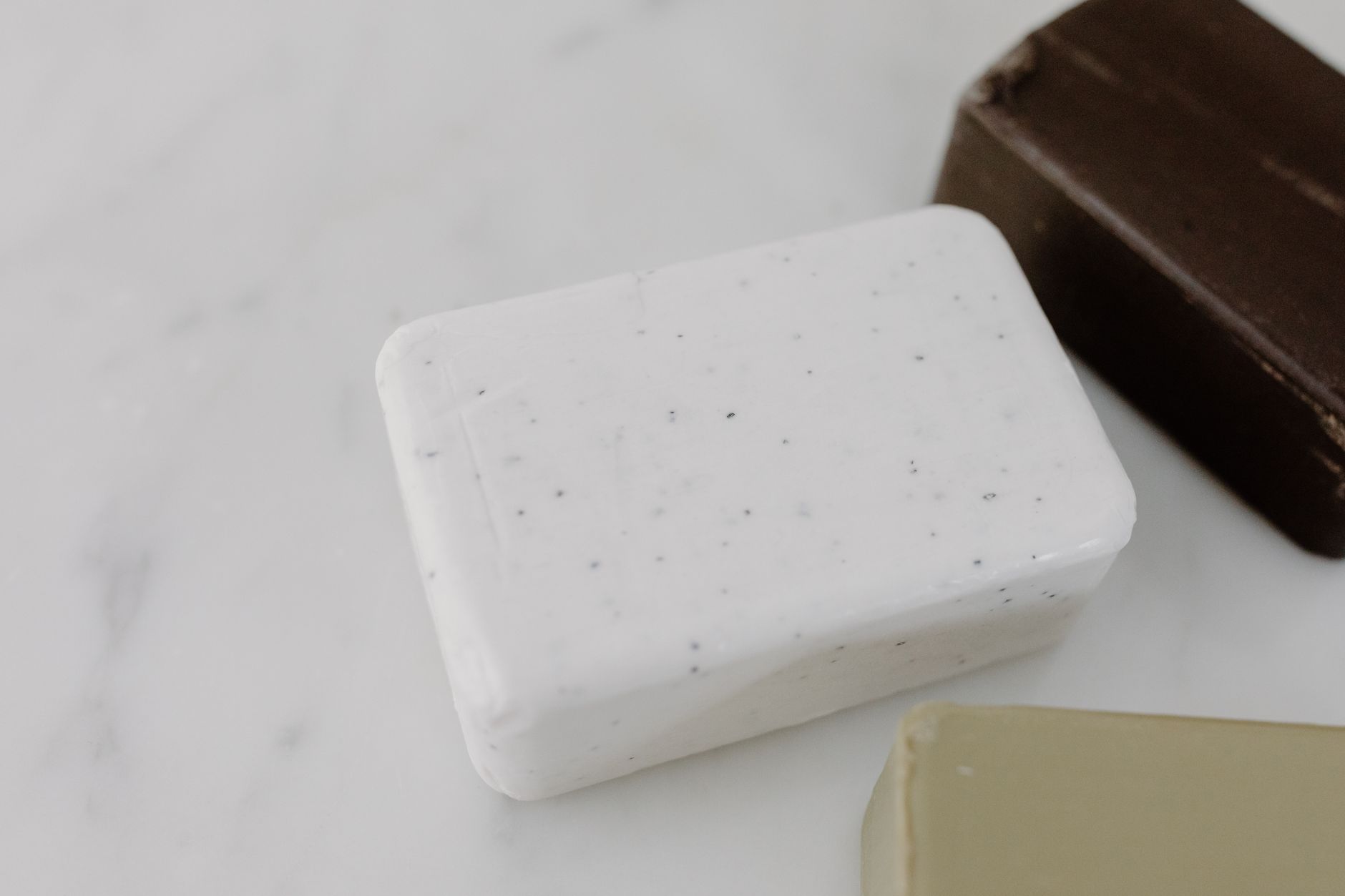
 Photo: Nataliya Vaitkevich / Pexels
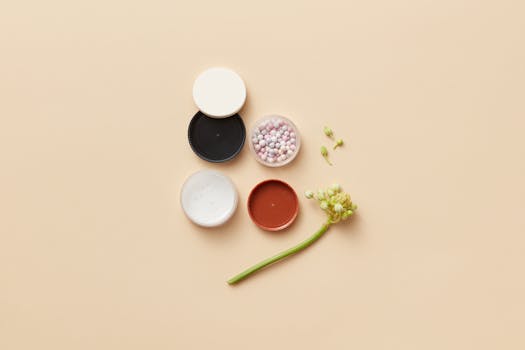 Photo: DS stories / Pexels
 Photo: ClickerHappy / Pexels
 Photo: cottonbro studio / Pexels