✓ Vegan skincare avoids animal-derived ingredients and by-products.
✓ Cruelty-free means no animal testing, a common companion to vegan products.
✓ Acne-prone skin benefits from gentle, non-comedogenic formulations.
✓ Canadian climate necessitates specific considerations for skin hydration and protection.
How It Works
1
Understand Your Skin & Acne Triggers
Identify your specific acne type (blackheads, whiteheads, cystic) and potential triggers like diet, stress, or product ingredients. This personalized understanding is the foundation of an effective routine.
2
Choose Gentle, Effective Vegan Products
Select cleansers, treatments, and moisturizers free from animal products, harsh chemicals, and common irritants. Focus on ingredients known to combat acne gently, suitable for sensitive skin.
3
Implement a Consistent Daily Regimen
Adhere to a morning and evening routine that includes cleansing, treating, and moisturizing. Consistency is paramount for seeing lasting results and preventing future breakouts.
4
Adapt to Canadian Climate & Lifestyle
Adjust your product choices and routine based on seasonal changes in Canada, from dry winters to humid summers. Incorporate SPF daily and consider local brand availability.
Why Choose a Vegan Skincare Routine for Acne in Canada?
Photo: Mike / Pexels
Navigating the world of skincare can be overwhelming, especially when battling acne and seeking ethical choices. For Canadians, opting for a vegan skincare routine for acne presents a compelling solution that aligns with both personal values and skin health. Vegan skincare, by definition, means products formulated without any animal-derived ingredients or by-products. This includes common culprits like lanolin (from sheep's wool), beeswax, honey, collagen (often from animal tissue), gelatin, and carmine (from insects). Beyond ethical considerations, many individuals find that eliminating these ingredients can reduce potential irritants, as some animal-derived components can be occlusive or lead to allergic reactions in sensitive, acne-prone skin.
The Canadian market has seen a significant surge in demand for vegan and cruelty-free products, reflecting a growing consumer consciousness. This trend is not just about animal welfare; it's also linked to a desire for cleaner, more natural formulations. Many vegan brands prioritize plant-based ingredients known for their soothing, anti-inflammatory, and antimicrobial properties – all highly beneficial for acne-prone skin. Think of ingredients like tea tree oil, salicylic acid derived from willow bark, niacinamide, and various botanical extracts that can help reduce redness, control oil production, and prevent breakouts without the harshness often associated with conventional acne treatments.
Furthermore, many vegan brands are also committed to being cruelty-free, meaning their products and ingredients are not tested on animals. This dual commitment offers peace of mind for consumers who want to make responsible choices. For those living in Canada, the unique climate can play a significant role in skin health. Harsh, dry winters can strip the skin's natural barrier, leading to increased sensitivity and breakouts, while humid summers can exacerbate oiliness. Vegan formulations, often rich in hydrating plant oils and humectants like hyaluronic acid (plant-derived), can provide essential moisture without clogging pores, making them particularly suitable for Canadian weather fluctuations.
Embracing a vegan skincare routine for acne in Canada isn't just a trend; it's a holistic approach that considers the health of your skin, the welfare of animals, and the integrity of the environment. It's about choosing products that work in harmony with your body, offering gentle yet effective solutions to achieve a clearer, calmer complexion. As you explore the options, you'll find a vibrant community of Canadian brands and retailers dedicated to this ethos, making it easier than ever to find products that meet your needs. For more insights on ethical beauty choices, consider exploring sustainable beauty practices. This mindful approach can significantly improve your skin's condition and overall well-being. This shift towards plant-powered solutions offers a refreshing alternative to traditional acne treatments, promising results without compromise.
Building Your Core Vegan Skincare Routine for Acne
Photo: Ray Piedra / Pexels
Establishing an effective vegan skincare routine for acne in Canada requires a strategic approach, focusing on key steps that cleanse, treat, and protect your skin. Consistency is paramount, as even the best products won't yield results if used sporadically. Let's break down the essential components of a daily regimen:
**1. Gentle Cleansing (Morning & Evening):** The first step in any effective acne routine is cleansing. For acne-prone skin, a gentle, sulfate-free vegan cleanser is crucial. Harsh cleansers can strip the skin of its natural oils, leading to overproduction of sebum and further breakouts. Look for cleansers containing mild exfoliating acids like salicylic acid (a BHA) or lactic acid (an AHA), or soothing ingredients like green tea extract, chamomile, or calendula. These ingredients help to unclog pores, reduce inflammation, and remove impurities without causing irritation. In Canada's often dry climate, especially during winter, a hydrating cleanser that doesn't leave your skin feeling tight is ideal. Massage the cleanser into damp skin for 60 seconds, then rinse thoroughly with lukewarm water. Avoid hot water, which can be drying and irritating.
**2. Targeted Treatment (Evening or Morning, depending on product):** This is where you address specific acne concerns. For vegan options, look for serums or spot treatments containing plant-derived active ingredients. Salicylic acid, derived from willow bark, is excellent for penetrating oil and exfoliating inside the pores. Benzoyl peroxide (ensure it's not tested on animals, as some formulations might be) can kill acne-causing bacteria. Niacinamide (Vitamin B3) is a superstar ingredient for reducing inflammation, minimizing pore appearance, and improving skin barrier function. Bakuchiol, a plant-derived alternative to retinol, offers similar benefits for cell turnover and collagen production without the potential irritation, making it suitable for sensitive, acne-prone skin. Apply treatment products to clean, dry skin, allowing them to fully absorb before moving to the next step. If using multiple treatments, introduce them one at a time to monitor your skin's reaction.
**3. Hydration (Morning & Evening):** Even oily and acne-prone skin needs moisture. Dehydrated skin can produce more oil to compensate, leading to more breakouts. Choose a lightweight, non-comedogenic vegan moisturizer. Look for ingredients like hyaluronic acid, glycerin, squalane (plant-derived), and ceramides to fortify the skin barrier. Gel or water-based formulas are often preferred for oily skin types. For Canadian winters, you might need a slightly richer, yet still non-comedogenic, moisturizer to combat dryness. Always apply moisturizer after your treatments have absorbed, locking in moisture and active ingredients.
**4. Sun Protection (Morning):** This step is non-negotiable, especially when using acne treatments that can increase sun sensitivity. Choose a broad-spectrum vegan SPF 30 or higher. Mineral sunscreens containing zinc oxide and titanium dioxide are often preferred for acne-prone and sensitive skin, as they sit on top of the skin and are less likely to cause irritation or clog pores compared to some chemical sunscreens. Sun exposure can also worsen post-inflammatory hyperpigmentation (dark spots left after acne heals), so consistent SPF use is vital for an even skin tone. Reapply every two hours if exposed to direct sunlight, sweating, or swimming.
**5. Weekly Exfoliation/Mask (1-2 times a week):** Incorporate a gentle vegan exfoliant or mask to further refine your skin. Clay masks (like bentonite or kaolin) can draw out impurities and absorb excess oil. Enzyme masks (containing fruit enzymes like papaya or pineapple) offer gentle exfoliation without scrubbing. AHAs (alpha hydroxy acids like glycolic or lactic acid) can help with surface exfoliation and improving skin texture. Be mindful not to over-exfoliate, as this can compromise your skin barrier and lead to more breakouts. Always follow with a moisturizer and SPF the next morning. By following these steps consistently, you'll be well on your way to achieving clearer, healthier skin with your vegan skincare routine for acne in Canada.
Top Vegan Ingredients for Acne & Canadian Product Picks
Photo: Mikhail Nilov / Pexels
When curating your vegan skincare routine for acne in Canada, understanding the power of specific plant-derived ingredients is key. These natural wonders can effectively combat breakouts, reduce inflammation, and promote healing without harsh chemicals or animal by-products.
**Key Vegan Ingredients for Acne-Prone Skin:**
* **Salicylic Acid (BHA from Willow Bark):** This oil-soluble acid penetrates deep into pores to dissolve sebum and dead skin cells, effectively preventing blackheads and whiteheads. It also has anti-inflammatory properties, making it excellent for calming inflamed breakouts. Many vegan brands utilize plant-derived salicylic acid.
* **Niacinamide (Vitamin B3):** A multi-tasking powerhouse, niacinamide reduces inflammation, minimizes pore appearance, improves skin barrier function, and helps regulate oil production. It's well-tolerated by most skin types and is a staple in many vegan acne formulations.
* **Tea Tree Oil:** Known for its potent antimicrobial and anti-inflammatory properties, tea tree oil can directly target acne-causing bacteria. It should be used diluted or in formulations with controlled concentrations to avoid irritation, especially for sensitive skin.
* **Bakuchiol:** A plant-derived alternative to retinol, bakuchiol offers similar benefits in terms of promoting cell turnover and reducing acne, fine lines, and hyperpigmentation, but with less irritation. It's a fantastic option for those seeking gentle yet effective anti-aging and anti-acne solutions in a vegan format.
* **Green Tea Extract:** Rich in antioxidants and anti-inflammatory compounds (polyphenols), green tea can help reduce redness, calm irritation, and protect the skin from environmental damage. It's often found in cleansers, toners, and serums.
* **Hyaluronic Acid (Plant-Derived):** Essential for hydration, this humectant attracts and holds moisture in the skin, keeping it plump and preventing dehydration, which can sometimes trigger excess oil production. Ensure it's plant-derived, as some forms can be animal-derived.
* **Squalane (from Olives or Sugarcane):** A lightweight, non-comedogenic oil that mimics the skin's natural sebum, providing excellent hydration and strengthening the skin barrier without clogging pores. It's a fantastic emollient for acne-prone skin, especially in Canada's dry climate.
* **Centella Asiatica (Cica):** A popular ingredient for soothing and healing, cica helps reduce inflammation, speeds up wound healing, and can minimize the appearance of post-acne marks.
**Canadian Vegan Skincare Brands & Products for Acne:**
The Canadian beauty scene offers a growing number of excellent vegan and cruelty-free brands tailored for acne-prone skin. When shopping, look for brands that are transparent about their ingredient sourcing and ethical practices. For instance, brands like **Consonant Skincare** (Toronto-based) offer gentle cleansers and serums with natural ingredients. Their DHE Mask is a popular choice for detoxification and exfoliation. **Province Apothecary** (another Toronto gem) focuses on organic, wild-crafted ingredients, with their Clear Skin Advanced Spot Treatment being a targeted solution. **Saje Natural Wellness** (Vancouver-based) provides essential oil blends and plant-based solutions, including their 'Zap' roll-on for blemishes, though always patch test essential oils. **The Ordinary** (Deciem, Toronto-based) offers highly effective, affordable vegan serums like their Niacinamide 10% + Zinc 1% and Salicylic Acid 2% Solution, which are staples for many with acne. These brands not only provide high-quality vegan options but also understand the unique needs of Canadian consumers, often formulating products to withstand varying climate conditions. Exploring local brands not only supports the Canadian economy but also often means fresher ingredients and a deeper understanding of local environmental factors impacting skin health. Remember to always check product labels for certifications like the Leaping Bunny or Vegan Society to ensure they meet your ethical standards. Further information on product selection can be found in our guide to choosing clean beauty products.
Common Mistakes & Expert Tips for Vegan Acne Skincare in Canada
Photo: RDNE Stock project / Pexels
Embarking on a vegan skincare routine for acne in Canada is a positive step, but certain pitfalls can hinder your progress. Avoiding common mistakes and incorporating expert tips will significantly improve your chances of achieving clear, healthy skin.
**Common Mistakes to Avoid:**
* **Over-Exfoliating:** While exfoliation is key for acne, doing it too often or using harsh physical scrubs can compromise your skin barrier, leading to irritation, increased sensitivity, and more breakouts. Stick to 1-3 times a week with gentle chemical exfoliants (AHAs/BHAs) or enzyme masks.
* **Product Hopping:** Giving new products only a few days to work is a common mistake. Skincare takes time. Allow at least 4-6 weeks for a new product to show its full effects. Introducing too many new products at once also makes it difficult to identify what's working or causing issues.
* **Skipping Moisturizer or SPF:** Even oily, acne-prone skin needs hydration, especially in Canada's dry climate. Dehydrated skin can overcompensate by producing more oil. Similarly, skipping SPF can worsen post-inflammatory hyperpigmentation (dark spots) and increase sun sensitivity from acne treatments.
* **Using Too Many Actives:** Layering multiple potent active ingredients (e.g., salicylic acid, benzoyl peroxide, retinol, vitamin C) simultaneously can lead to irritation, redness, and a compromised skin barrier. Introduce actives slowly and consider alternating them.
* **Not Considering Lifestyle Factors:** Skincare is only part of the equation. Diet (e.g., high glycemic foods, dairy for some), stress, lack of sleep, and inadequate hydration can all trigger or worsen acne. A holistic approach is essential.
**Expert Tips for Success:**
* **Patch Test New Products:** Always apply a new product to a small, inconspicuous area of your skin (like behind the ear or on your jawline) for a few days before applying it to your entire face. This helps identify potential allergic reactions or irritation.
* **Be Patient and Consistent:** Skincare is a marathon, not a sprint. Stick to your chosen routine religiously for at least a month to see noticeable improvements. Consistency is the most powerful tool.
* **Listen to Your Skin:** Your skin will tell you what it needs. If it feels tight, dry, or irritated, scale back on actives or increase hydration. If it's still breaking out, consider adjusting your treatment step.
* **Clean Your Tools:** Regularly clean your makeup brushes, sponges, and phone screen. These can harbor bacteria that contribute to breakouts.
* **Consider a Dermatologist (Vegan-Friendly):** If your acne is severe or persistent, consult a dermatologist. Many are knowledgeable about vegan product options and can offer prescriptions or professional treatments compatible with your ethical choices.
* **Hydrate Internally:** Drink plenty of water throughout the day. Internal hydration is crucial for overall skin health and can help maintain a healthy skin barrier.
* **Manage Stress:** High stress levels can exacerbate acne. Incorporate stress-reducing activities like meditation, yoga, or walks in nature into your routine.
* **Read Labels Carefully:** Always double-check ingredient lists for animal-derived components and look for cruelty-free certifications. In Canada, many brands clearly label their vegan status.
By being mindful of these common errors and applying these expert tips, you can optimize your vegan skincare routine for acne and achieve lasting results, even amidst Canada's diverse environmental conditions.
Comparison
Feature
Vegan Skincare (Acne-Focused)
Conventional Skincare (Acne-Focused)
DIY Home Remedies
Animal Ingredients
✗ (None)
✓ (Common)
✗ (Often None)
Cruelty-Free Status
✓ (Often)
✗ (Variable)
✓ (Often)
Ingredient Transparency
✓ (High)
✓ (Variable)
✗ (Low)
Formulation Expertise
✓ (High)
✓ (High)
✗ (Low)
Pore Clogging Risk
✓ (Low, non-comedogenic)
✓ (Variable)
✗ (Can be high)
Climate Adaptability
✓ (Good for Canada)
✓ (Good for Canada)
✗ (Variable)
Sourcing Ethics
✓ (High)
✗ (Variable)
✗ (Variable)
Sustainability Focus
✓ (Often High)
✗ (Variable)
✗ (Variable)
What Our Readers Say
5★★★★★
"Switching to a vegan skincare routine for my acne in Canada was a game-changer. My skin is finally clear and calm, and I feel good knowing my products are ethical. The hydration during our dry winters is fantastic."
Sarah L.Vancouver, BC
5★★★★★
"I struggled with cystic acne for years, but a consistent vegan regimen has transformed my skin. I love finding Canadian brands that offer effective, cruelty-free solutions. My complexion has never looked better."
Alex P.Toronto, ON
5★★★★★
"Within two months of starting my vegan skincare routine for acne, my breakouts reduced by 70%. The focus on gentle, plant-based ingredients truly made a difference, even with our harsh climate shifts."
Jessica M.Calgary, AB
4★★★★☆
"Finding the right vegan products took some trial and error, but it was worth it. My skin is less oily and breakouts are fewer. While not completely perfect, it's a significant improvement from before."
Mark S.Montreal, QC
5★★★★★
"As someone with sensitive, acne-prone skin, I appreciate the gentle nature of vegan products. My skin handles them so much better, and I've seen a noticeable reduction in redness and irritation, even by the ocean."
Emily R.Halifax, NS
Frequently Asked Questions
What makes a skincare product 'vegan' for acne?
A vegan skincare product for acne is formulated without any animal-derived ingredients or by-products, such as lanolin, beeswax, honey, collagen, or carmine. It focuses on plant-based components that effectively address acne concerns like inflammation, oil production, and pore clogging, ensuring an ethical and often gentler approach to treatment.
Will vegan skincare for acne be less effective than conventional treatments?
Not necessarily. Many plant-derived ingredients like salicylic acid (from willow bark), tea tree oil, and niacinamide are scientifically proven to be highly effective against acne. Vegan formulations often prioritize high-quality, concentrated botanical extracts, offering powerful results without the potential irritants found in some animal-derived or synthetic ingredients. Efficacy depends on formulation, not origin.
How do I start building a vegan skincare routine for acne in Canada?
Begin by identifying your skin type and acne concerns. Then, choose a gentle vegan cleanser, a targeted vegan treatment (e.g., salicylic acid serum, niacinamide), a lightweight, non-comedogenic vegan moisturizer, and a broad-spectrum vegan SPF. Introduce products one at a time, patch testing each, and maintain consistency for at least 4-6 weeks to see results. Look for Canadian brands or those easily available in Canada that cater to vegan and acne-prone needs.
Is vegan skincare for acne more expensive in Canada?
The cost of vegan skincare for acne in Canada can vary widely, similar to conventional products. There are affordable vegan options from brands like The Ordinary, as well as premium luxury brands. The price often reflects ingredient quality, brand ethos, and formulation complexity, rather than simply being vegan. Shopping during sales or exploring Canadian indie brands can also help manage costs.
How does Canadian climate affect vegan skincare for acne?
Canada's diverse climate, from dry winters to humid summers, necessitates adaptable skincare. Vegan formulations, often rich in hydrating plant oils, squalane, and hyaluronic acid, can effectively protect the skin barrier against winter dryness without clogging pores. In summer, lightweight, gel-based vegan moisturizers and oil-controlling ingredients are beneficial. Always prioritize SPF due to sun exposure year-round.
Who should consider a vegan skincare routine for acne in Canada?
Anyone struggling with acne who is also committed to ethical consumption, animal welfare, or seeking gentler, plant-based solutions should consider a vegan routine. It's particularly beneficial for individuals with sensitive skin who react poorly to synthetic ingredients or animal by-products, or those looking for sustainable beauty options tailored to Canadian environmental factors.
Are 'cruelty-free' and 'vegan' the same in skincare?
No, while often used together, they are distinct. 'Vegan' means no animal-derived ingredients. 'Cruelty-free' means the product and its ingredients were not tested on animals. A product can be cruelty-free but not vegan (e.g., contains honey), or vegan but not certified cruelty-free (though less common). For a fully ethical choice, look for both certifications.
What's the future of vegan skincare for acne in Canada?
The future of vegan skincare for acne in Canada is bright, with continued innovation in plant-based ingredients, sustainable packaging, and personalized formulations. We can expect more advanced biotech ingredients derived from plants, greater transparency from brands, and an even wider array of accessible, effective options catering to diverse skin types and ethical preferences across all Canadian regions.
Ready to transform your skin with a compassionate approach? Embrace a vegan skincare routine for acne in Canada and discover the power of plant-based ingredients for a clearer, healthier complexion. Start your journey today and feel confident in your skin.
 Photo: MART PRODUCTION / Pexels
 Photo: Mike / Pexels
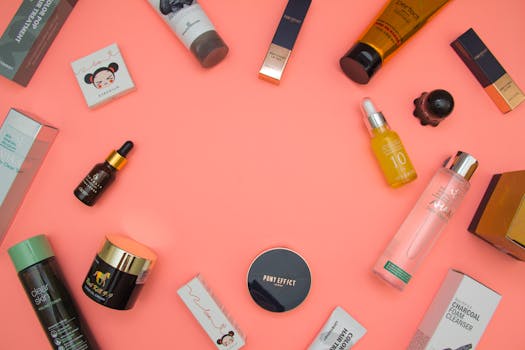 Photo: Ray Piedra / Pexels
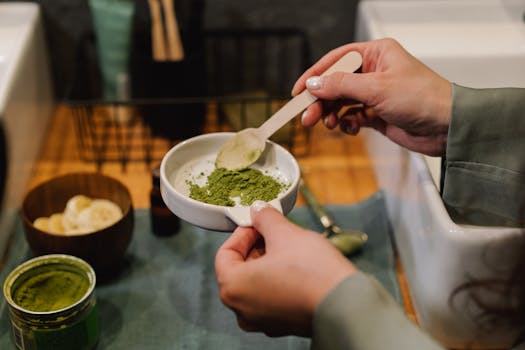 Photo: Mikhail Nilov / Pexels
 Photo: RDNE Stock project / Pexels