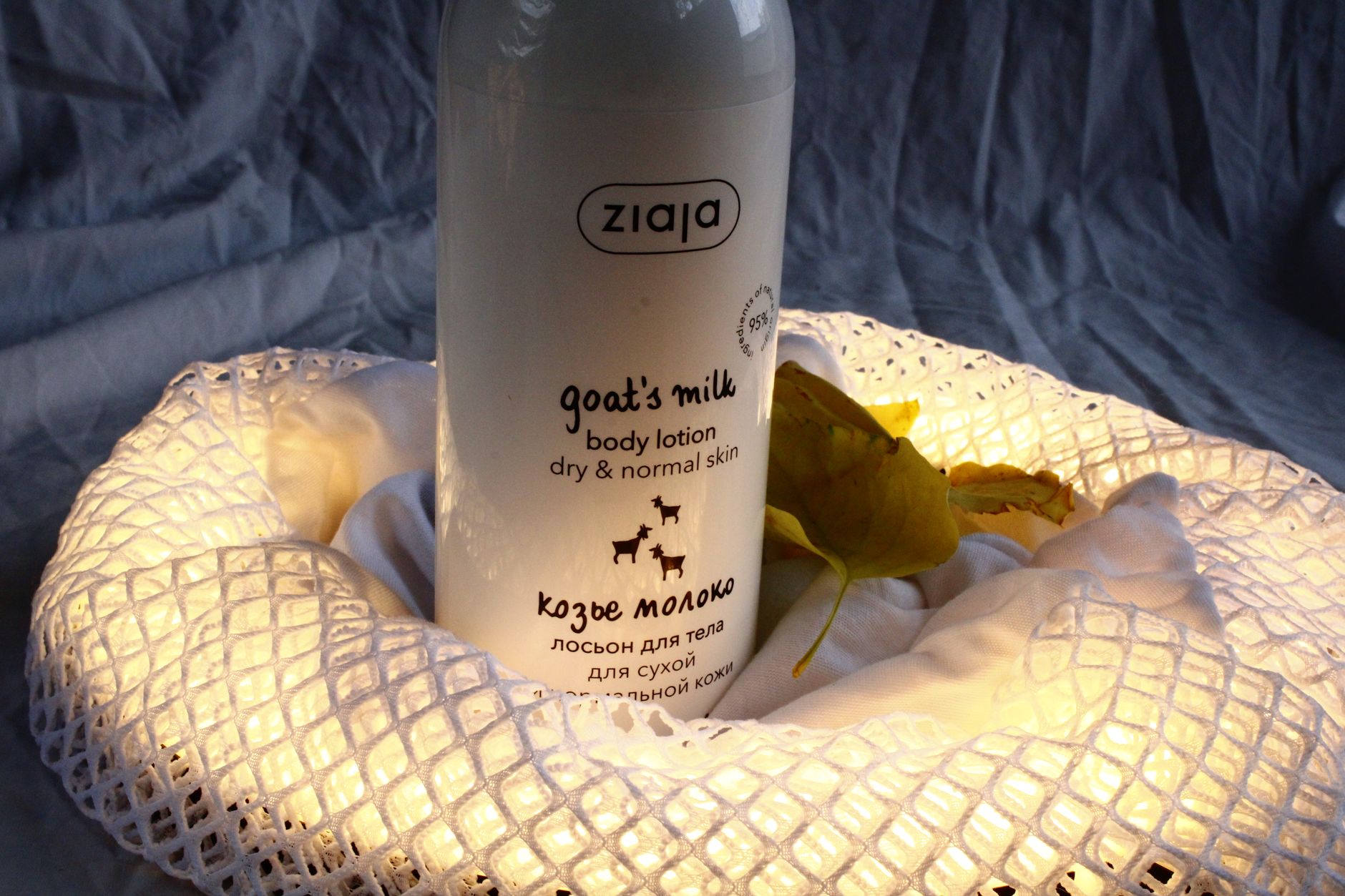
Your Ultimate Skincare Routine for Dry Skin Canada
June 18, 2026 16 min read 3,197 words
Unlock the secrets to a deeply hydrated and resilient complexion, perfectly adapted to Canada's diverse climate.
Discover Your Glow
Understanding Dry Skin in the Canadian Climate
 Photo: www.kaboompics.com / Pexels
Canada, with its vast geographical diversity, presents unique challenges for dry skin sufferers. From the biting cold of winter on the prairies to the dry indoor heating in urban centres, and even the surprisingly arid summers in some regions, our climate conspires against a supple complexion. Dry skin isn't just a cosmetic concern; it's a condition where the skin's natural barrier, the stratum corneum, is compromised. This barrier is responsible for keeping moisture in and irritants out. When it's weakened, moisture evaporates more quickly, leading to tightness, flakiness, redness, and even itching. In Canada, this issue is amplified. The low humidity levels, especially during the long winter months, literally pull moisture from your skin. Add to this the constant exposure to harsh winds and the drying effects of indoor heating, and you have a recipe for chronic dryness.
It's crucial to distinguish between 'dry skin' and 'dehydrated skin.' Dry skin is a skin type, meaning it naturally produces less oil (sebum) due to smaller or fewer sebaceous glands. Dehydrated skin, on the other hand, is a skin condition that can affect any skin type, including oily skin. It means your skin lacks water, not necessarily oil. Canadian winters often lead to both dry skin types experiencing dehydration. Understanding this distinction is key to selecting the right products. For truly dry skin, you need ingredients that replenish lipids and oils, while for dehydrated skin, you need humectants that attract and hold water. Many Canadians experience a combination, needing both emollients and humectants.
Furthermore, the Canadian lifestyle often involves frequent hot showers or baths to combat the cold, which, while comforting, can strip the skin of its natural oils, further exacerbating dryness. The chemicals in tap water, particularly hard water in some regions, can also contribute to barrier disruption. Therefore, a comprehensive skincare routine for dry skin in Canada must consider not only what you put on your skin but also lifestyle factors and environmental aggressors. Building resilience and fortifying the skin's natural defenses become paramount. This section lays the groundwork for understanding why a specialized approach is not just beneficial, but absolutely essential for maintaining healthy, comfortable skin in Canada. For more insights into general skin health, check out our guide on
maintaining a healthy skin barrier.
Identifying the root causes of your dry skin is the first step towards effective management. Is it primarily environmental? Genetic? Or perhaps a reaction to certain ingredients? Keeping a skin diary can help pinpoint triggers. For instance, notice if your skin feels tighter after a long walk outside, or if a new laundry detergent causes irritation. This detective work empowers you to make informed decisions about your routine and product choices. Ultimately, a successful skincare routine for dry skin in Canada is about creating a protective shield that can withstand our unique climate while providing deep, lasting hydration.
The Essential Steps: A Hydration-Focused Routine for Canadian Dry Skin
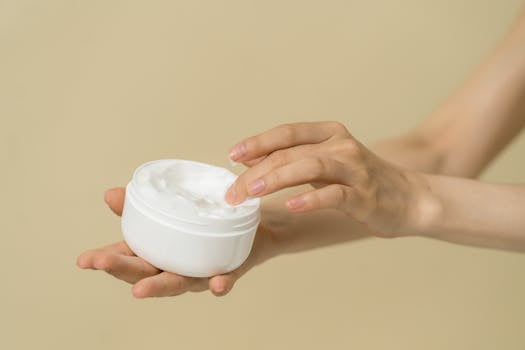 Photo: SHVETS production / Pexels
Crafting an effective skincare routine for dry skin in Canada requires a strategic, step-by-step approach that prioritizes gentle care and intense hydration. This isn't about using a multitude of products, but rather selecting the right ones and applying them consistently. Your morning routine focuses on protection and hydration for the day ahead, while your evening routine emphasizes repair and replenishment. Let's break down the essential steps:
**Morning Routine: Protect & Hydrate**
1. **Gentle Cleansing (Optional for some):** For many with dry skin, a full cleanse in the morning can be too stripping. Often, a splash of lukewarm water is sufficient to refresh the skin. If you feel the need to cleanse, opt for a creamy, non-foaming, sulfate-free cleanser. Look for ingredients like ceramides, hyaluronic acid, or glycerin. Avoid harsh soaps or anything that leaves your skin feeling 'squeaky clean,' as this indicates stripped natural oils. Pat your face gently with a soft towel.
2. **Hydrating Toner/Essence:** This step rebalances the skin's pH after cleansing and adds an initial layer of hydration. Choose alcohol-free toners or essences rich in humectants like hyaluronic acid, glycerin, or polyglutamic acid. Pat it into your skin rather than wiping with cotton, allowing it to fully absorb.
3. **Antioxidant Serum (Optional but Recommended):** A vitamin C serum can protect your skin from environmental damage, brighten your complexion, and stimulate collagen production. Look for stable forms of vitamin C (e.g., L-Ascorbic Acid, Tetrahexyldecyl Ascorbate) and ensure it's formulated for dry or sensitive skin to avoid irritation. This adds an extra layer of defense against Canadian environmental stressors.
4. **Targeted Hydrating Serum:** This is a crucial step for dry skin. A hyaluronic acid serum, applied to damp skin, can draw moisture from the air and deeper layers of your skin, plumping it up. Other beneficial ingredients include niacinamide (for barrier support), squalane, or colloidal oatmeal. Layering a hydrating serum before your moisturizer significantly boosts overall hydration.
5. **Rich Moisturizer:** This is your primary shield against dryness. Choose a thick, emollient-rich cream rather than a lightweight lotion. Look for ingredients such as ceramides, fatty acids, cholesterol (to mimic skin's natural barrier), shea butter, lanolin, or petrolatum. Apply generously, massaging it into your face and neck. This step locks in all the previous layers of hydration.
6. **Sunscreen (Non-Negotiable):** Even in winter or on cloudy days, UV radiation can damage your skin barrier and exacerbate dryness. Select a broad-spectrum SPF 30 or higher. For dry skin, a cream-based sunscreen with hydrating ingredients like zinc oxide or titanium dioxide (mineral filters) is often preferred as they are less irritating and provide a physical barrier. Apply it as the last step in your morning routine, before makeup.
**Evening Routine: Repair & Replenish**
1. **Double Cleansing:** Start with an oil-based cleanser or balm to gently dissolve makeup, sunscreen, and impurities without stripping the skin. Follow with a gentle, hydrating cream cleanser, similar to your morning option, to thoroughly clean the skin. This ensures your skin is perfectly clean and ready to absorb treatment products.
2. **Hydrating Toner/Essence:** Repeat the morning step to rebalance and prepare your skin for treatment.
3. **Treatment Serum (Optional/Targeted):** This is where you can incorporate specific treatments for concerns like fine lines (retinoids, peptides) or hyperpigmentation. If using retinoids, start slowly (2-3 times a week) and always follow with a rich moisturizer to buffer potential irritation, especially for dry skin. For dry skin, it's often best to choose gentle formulations or 'sandwich' retinoids between layers of moisturizer.
4. **Nourishing Night Cream/Occlusive:** Apply a rich, restorative night cream. Many night creams are formulated to be thicker and more occlusive than day creams, helping to prevent transepidermal water loss (TEWL) overnight. Ingredients like ceramides, shea butter, squalane, and petrolatum are excellent choices. For extremely dry or compromised skin, consider adding a thin layer of a pure occlusive like Vaseline or Aquaphor over your moisturizer to seal everything in.
This comprehensive approach ensures your skin receives continuous hydration and barrier support, crucial for thriving in the Canadian environment.
Key Ingredients and Product Recommendations for Dry Skin in Canada
 Photo: www.kaboompics.com / Pexels
Navigating the vast world of skincare ingredients can be daunting, but for dry skin in Canada, certain powerhouses stand out. Focusing on these ingredients will empower you to select products that truly make a difference in your skin's health and comfort. We'll categorize them by their primary function: humectants, emollients, and occlusives, and then provide examples of Canadian-friendly brands.
**Humectants: The Moisture Magnets**
These ingredients attract water from the air and deeper layers of the skin, binding it to the skin's surface to plump and hydrate. They are essential for dehydrated skin.
* **Hyaluronic Acid (HA):** A superstar humectant capable of holding up to 1000 times its weight in water. Look for different molecular weights for multi-depth hydration. Apply to damp skin for best results. Many Canadian brands incorporate HA extensively.
* **Glycerin:** A highly effective, affordable, and widely used humectant. It's often found in cleansers, toners, and moisturizers.
* **Urea:** Beyond hydration, urea also has mild exfoliating properties, helping to smooth rough, dry patches. Great for extremely flaky skin.
* **Sodium PCA:** A natural component of the skin's Natural Moisturizing Factor (NMF), it's an excellent humectant that helps maintain skin hydration.
**Emollients: The Barrier Smoothers**
Emollients fill the gaps between skin cells, smoothing and softening the skin. They also help to restore the lipid barrier, making it more resilient. These are crucial for true dry skin types lacking natural oils.
* **Ceramides:** These are lipids that make up a significant portion of the skin's barrier. Replenishing ceramides helps to repair and strengthen the barrier, reducing moisture loss and sensitivity. Look for products containing a blend of different ceramides.
* **Fatty Acids (e.g., Linoleic Acid, Oleic Acid):** Essential for maintaining a healthy skin barrier. Often found in plant oils like sunflower oil, safflower oil, or evening primrose oil.
* **Cholesterol:** Another vital lipid component of the skin barrier, working synergistically with ceramides and fatty acids.
* **Squalane:** A stable, non-comedogenic emollient derived from olives or sugarcane. It mimics skin's natural sebum, providing excellent moisture without feeling heavy.
* **Shea Butter/Cocoa Butter:** Rich, natural emollients that provide intense nourishment and help form a protective layer on the skin.
**Occlusives: The Moisture Seals**
Occlusives form a physical barrier on the skin's surface to prevent transepidermal water loss (TEWL). They are especially important in dry, cold Canadian climates.
* **Petrolatum (Vaseline):** One of the most effective and well-tolerated occlusives. It's non-comedogenic for most and creates a powerful seal.
* **Mineral Oil:** Another highly effective occlusive, often misunderstood. It's non-comedogenic and very gentle.
* **Lanolin:** A natural wax derived from sheep's wool, it's an excellent occlusive and emollient, though some individuals may be sensitive to it.
* **Dimethicone:** A silicone-based ingredient that forms a breathable, protective barrier, often found in moisturizers.
**Canadian-Friendly Product Recommendations (Examples of accessible brands):**
When building your
ideal beauty routine for dry skin in Canada, consider brands that are readily available across the country and formulated with these key ingredients.
* **Cleansers:** CeraVe Hydrating Facial Cleanser, La Roche-Posay Toleriane Hydrating Gentle Cleanser, Aveeno Calm + Restore Oat Cleanser.
* **Serums:** The Ordinary Hyaluronic Acid 2% + B5, Vichy Mineral 89 Hyaluronic Acid Serum, Timeless Skincare 20% Vitamin C + E + Ferulic Acid (available online and in some Canadian retailers).
* **Moisturizers:** Cetaphil Moisturizing Cream, CeraVe Moisturizing Cream, Bioderma Atoderm Intensive Balm, Avene Xeracalm A.D Lipid-Replenishing Cream, First Aid Beauty Ultra Repair Cream. These brands understand the need for robust hydration and barrier support, making them excellent choices for the Canadian market. Always patch test new products, especially if you have sensitive dry skin.
Advanced Tips and Common Mistakes for Canadian Dry Skin Sufferers
 Photo: cottonbro studio / Pexels
Beyond the core routine, there are advanced tips and common pitfalls that can make or break your dry skin management, especially in Canada's unique climate. Mastering these can elevate your routine from good to exceptional.
**Advanced Tips for Optimal Hydration:**
* **Humidifier is Your Friend:** Invest in a good quality humidifier for your home, especially in your bedroom, during the dry winter months. This adds much-needed moisture back into the air, preventing it from being drawn from your skin. Aim for 40-60% humidity.
* **Lukewarm Showers & Baths:** While hot showers feel great in the cold, they strip natural oils. Opt for lukewarm water and keep showers short (5-10 minutes). Immediately after, gently pat your skin almost dry and apply your body moisturizer within 3 minutes to seal in moisture.
* **Layering for Maximum Efficacy:** Think of your routine as building layers of protection and hydration. Apply humectant-rich products (serums) to damp skin, then seal them in with emollients (moisturizers), and finally, occlusives (balms/oils) to prevent evaporation. This 'sandwich' technique is incredibly effective for very dry skin.
* **Consider a Sleeping Mask:** For an extra boost of overnight hydration, incorporate a hydrating sleeping mask 1-3 times a week. These are typically rich in emollients and occlusives, providing intense repair while you sleep.
* **Internal Hydration:** Don't forget that skincare starts from within. Drink plenty of water throughout the day, and consider incorporating omega-3 fatty acids (e.g., from flaxseed oil, fish oil) into your diet, which can support skin barrier function.
**Common Mistakes to Avoid:**
* **Over-Exfoliation:** While exfoliation can remove dead skin cells, overdoing it, especially with harsh physical scrubs or strong chemical exfoliants (like high concentrations of AHAs/BHAs), will further compromise your already fragile barrier. For dry skin, opt for gentle enzymes or lactic acid 1-2 times a week at most.
* **Using Foaming Cleansers:** Many foaming cleansers contain sulfates that strip the skin's natural oils, leaving it feeling tight and dry. Always choose cream, oil, or balm cleansers.
* **Skipping Sunscreen:** Even when it's cloudy or cold, UV rays are present and contribute to barrier damage and premature aging. Sunscreen is essential year-round.
* **Ignoring Body Care:** Dry skin isn't limited to your face. Extend your hydrating philosophy to your body, especially after showering, to prevent flaky, itchy skin on your limbs.
* **Changing Products Too Frequently:** Give new products at least 2-4 weeks to show results. Introducing too many new products at once can make it difficult to identify irritants or effective ingredients.
* **Not Adapting to Seasons:** What works in humid summer might be insufficient in dry winter. Be prepared to switch to richer formulations and add occlusives as the seasons change in Canada.
By implementing these advanced tips and consciously avoiding common mistakes, you can significantly improve the comfort, health, and appearance of your dry skin, ensuring it thrives even in Canada's challenging climate.