
Renting a van for moving house: Your Ultimate Guide
renting a van for moving house

Renting a van for moving house: Your Ultimate Guide

Group of friends smiling while sitting in a van during a moving day.Photo: RDNE Stock project / Pexels

Renting a van for moving house: Your Ultimate Guide

Unlock a stress-free moving experience across Canada with our comprehensive guide to van rentals.

Start Your Stress-Free Move

Key Takeaways

  • ✓ Booking in advance, especially during peak seasons (summer, month-ends), secures better rates and availability.
  • ✓ Consider the size of your belongings and the distance of your move when selecting a van type.
  • ✓ Insurance options vary; understand coverage before driving off the lot.
  • ✓ Inspect the van thoroughly before and after your rental to avoid unexpected charges.

How It Works

1
Assess Your Moving Needs

Determine the volume of items you're moving and the distance to your new home. This helps in selecting the appropriate van size and rental package.

2
Compare Rental Providers

Research different rental companies in your area, comparing prices, vehicle availability, insurance options, and customer reviews to find the best fit.

3
Book and Prepare

Reserve your chosen van, ensuring you understand all terms and conditions. Gather necessary documents like your driver's license and credit card.

4
Pick Up, Load, and Drive

On moving day, inspect the van, load your belongings securely, and drive safely to your new destination. Return the van as per the rental agreement.

Why Renting a Van is Your Smartest Moving Decision

African American man with afro smiling with moving boxes, indoors, potted plants around.Photo: RDNE Stock project / Pexels
Moving house is often cited as one of life's most stressful events, but it doesn't have to be. For many Canadians, especially those navigating the vibrant urban landscapes or the serene countryside, renting a van for moving house emerges as the most practical and cost-effective solution. Forget the exorbitant costs of full-service movers or the logistical nightmares of relying on friends with small cars. A dedicated moving van offers space, security, and convenience, putting you in control of your relocation. This section delves into the compelling advantages of opting for a rental van, transforming a potentially daunting task into a manageable and even empowering experience. Firstly, cost-efficiency is a significant draw. When you factor in the hourly rates of professional movers, the cost of packing supplies they might provide, and potential surcharges for distance or specialty items, a DIY approach with a rental van almost always comes out ahead. You pay for the van, fuel, and perhaps some insurance, giving you a clear financial picture upfront. This predictability is invaluable for budgeting during a time when expenses can quickly escalate. Secondly, control is paramount. With a rental van, you dictate the timeline. You decide when to pick up, when to load, when to drive, and when to unload. There's no waiting for movers to arrive, no rushing to meet their schedule, and no feeling pressured. This flexibility is particularly beneficial for those with unpredictable schedules or for moves that span a few days, allowing you to move at your own pace and prioritize the safe handling of your belongings. Beyond cost and control, the sheer utility of a moving van cannot be overstated. These vehicles are specifically designed to transport large volumes of goods efficiently and safely. They come equipped with features like tie-down points, often ramp access, and ample cargo space that far surpasses what a personal vehicle or even a large SUV can offer. This means fewer trips back and forth, reducing fuel consumption and valuable time. For delicate items, artwork, or bulky furniture, the enclosed and secure environment of a van provides peace of mind that open trailers or multiple car trips simply cannot. Moreover, many rental companies offer additional equipment like dollies, furniture pads, and hand trucks, which can be rented alongside the van, further streamlining the moving process and preventing damage to your items or injuries to yourself. This holistic approach to moving equipment ensures you have all the necessary tools at your disposal for a smooth transition. Understanding these core benefits is the first step towards realizing that renting a van for moving house isn't just an option, but often the optimal choice for a successful relocation in Canada.

Choosing the Right Van Size and Rental Company in Canada

A cheerful mover standing confidently beside a moving company's van, ready for local or long distance relocation services.Photo: RDNE Stock project / Pexels
Selecting the appropriate van size is critical to a successful and efficient move. An undersized van means multiple trips, wasted time, and increased fuel costs, while an oversized van means paying for space you don't need and potentially navigating a vehicle that's more challenging to drive. Generally, rental companies offer a range of sizes: cargo vans (ideal for studio apartments or small one-bedroom moves), 10-foot trucks (suitable for one-bedroom apartments), 15-foot trucks (perfect for two-bedroom homes), and 20-26 foot trucks (designed for larger homes with three or more bedrooms). To accurately estimate your needs, create an inventory of your belongings, paying special attention to bulky items like sofas, refrigerators, and beds. Consider their dimensions and how they will fit together. Many rental company websites also offer online calculators or guides to help you determine the best fit based on the number of rooms you're moving. Don't forget to account for oddly shaped items or appliances that might take up more space than initially anticipated. It's often better to slightly overestimate than to underestimate. Once you have a clear idea of the van size, the next step is to research and compare rental companies across Canada. Major players like U-Haul, Budget Truck Rental, and Penske are widely available, each with their own pricing structures, vehicle fleets, and insurance policies. Local independent rental companies might also offer competitive rates or specialized services. When comparing, look beyond the base rental price. Investigate mileage charges (some offer unlimited mileage, others charge per kilometer), fuel policies (full-to-full, pre-purchase), insurance options (collision damage waiver, liability, personal accident), and any potential hidden fees like environmental surcharges or administrative costs. Read customer reviews, particularly those mentioning the condition of the vehicles, the clarity of the rental agreement, and the ease of pick-up and drop-off processes. Availability is another key factor; booking well in advance, especially during peak moving seasons (summer months, end-of-month), will ensure you get the van size you need at a reasonable price. Some companies offer discounts for booking online or for specific days of the week. Don't hesitate to call different branches or companies to inquire about any current promotions or package deals that might save you money. A little upfront research can lead to significant savings and a much smoother moving experience.

Our partners at Weed Dank offer related services.

Essential Packing and Loading Strategies for Your Rental Van

Group of friends smiling while sitting in a van during a moving day.Photo: RDNE Stock project / Pexels
Effective packing and loading are crucial for a damage-free move when renting a van for moving house. It’s not just about getting everything into the van; it’s about doing so securely and efficiently. Start with proper packing. Use sturdy moving boxes, not just any old cardboard box, and label each box clearly with its contents and the room it belongs to in your new home. This might seem tedious, but it will save you immense time and frustration during unpacking. Utilize packing materials like bubble wrap, packing paper, and furniture pads to protect fragile items and prevent scratches on furniture. Disassemble furniture where possible; not only does this make items lighter and easier to carry, but it also allows for more compact loading, maximizing your van’s space. Keep all screws and small parts in clearly labeled bags attached to their respective furniture pieces. When it comes to loading the van, think strategically. The heaviest and largest items should go in first, positioned against the back wall (the wall closest to the driver's cab) and centered to maintain balance. This includes appliances like refrigerators and washing machines, as well as large furniture pieces. Distribute weight evenly to prevent shifting during transit, which can be dangerous and damage your belongings. Use furniture dollies and appliance hand trucks to move these heavy items safely. Next, load medium-weight boxes and furniture. Try to create a solid, interlocking base, stacking boxes from floor to ceiling when possible, ensuring that heavier boxes are always at the bottom of a stack. Fill any gaps with softer items like blankets, pillows, or duffel bags to prevent shifting. This creates a tight, secure load that won't move around when you brake or turn. Finally, place lighter and more fragile items on top or in designated secure areas. Keep an 'essentials' box separate, containing items you’ll need immediately upon arrival, such as toiletries, medications, and important documents. Utilize tie-down straps to secure all your items, especially the larger ones, to the van’s internal tie-down points. This is perhaps the most critical step in preventing damage. Regularly check the security of your load as you progress. Before closing the doors, do a final walk-through to ensure nothing is loose or can fall out. Remember, a well-packed and loaded van not only protects your possessions but also makes for a safer drive. Following these strategies will transform your moving experience from chaotic to controlled, leveraging the full potential of your rental van.

Driving Your Rental Van Safely: Tips and Common Mistakes to Avoid
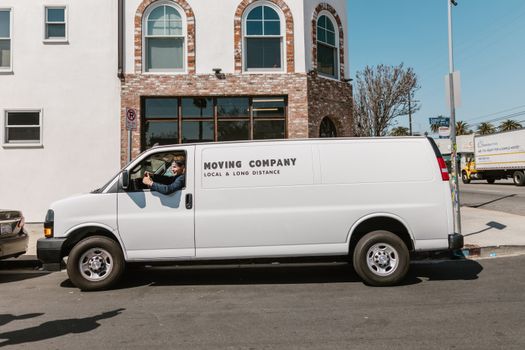
White moving company van parked on city street on a sunny day, showcasing local and long distance services.Photo: RDNE Stock project / Pexels
Driving a rental van is significantly different from operating a standard passenger vehicle, and understanding these differences is paramount for a safe journey. Firstly, the sheer size and weight of a loaded moving van dramatically impact its handling characteristics. You'll experience longer braking distances, reduced acceleration, and a higher center of gravity, making turns feel different. Always maintain a greater following distance than you would in a car, especially on highways. Begin braking earlier and more gently. When turning, take wider corners to account for the van's longer wheelbase and to avoid hitting curbs or other obstacles. Be acutely aware of the van's height and width, particularly when navigating underpasses, low bridges, drive-thrus, and parking garages. Always check for clearance signs; what fits a car won't necessarily fit a van. **Common Mistakes to Avoid:** * **Underestimating Van Dimensions:** Many drivers forget the increased height and width, leading to costly damages from low overhangs or tight spaces. Always know your van's exact dimensions. * **Ignoring Weight Distribution:** An improperly loaded van can be unstable, difficult to steer, and prone to tipping. Heavy items should always be low and centered. * **Overlooking Blind Spots:** Moving vans have significantly larger blind spots than cars. Use your side mirrors frequently and consider asking a passenger to help spot during lane changes or backing up. Adjust mirrors before you start driving. * **Driving Too Fast:** Speed exacerbates all the challenges of driving a larger vehicle. Adhere to speed limits, and reduce speed even further in adverse weather conditions or on unfamiliar roads. * **Forgetting Fuel Consumption:** Larger vehicles consume more fuel. Plan your fuel stops, especially on long-distance moves, to avoid running out in inconvenient locations. * **Neglecting Pre-Trip Inspection:** Before you even put the key in the ignition, do a quick walk-around. Check tire pressure, lights, and any existing damage. This protects you from being held responsible for pre-existing issues. * **Not Understanding Insurance:** Assuming your personal car insurance covers a rental van can be a costly mistake. Always clarify insurance coverage with the rental company. Practice driving the van in a large, empty parking lot for a few minutes before embarking on your main journey. This familiarization can make a huge difference in your confidence and safety. Remember, patience and caution are your best allies when driving a rental van for moving house.

Comparison

FeatureRental Van (DIY)Professional MoversFriend's Pickup Truck
CostLow to ModerateHighVery Low (favors friends)
Control/FlexibilityHighLowModerate
Effort RequiredHighLowHigh
Insurance OptionsVariable (Rental Co.)Included (Variable)None (Personal)
Suitable for Large Homes
Specialty Item HandlingRequires DIY SkillProfessional ExpertiseLimited

What Our Readers Say

5 ★★★★★

"Renting a van for moving house from Budget was incredibly smooth. The online booking was easy, the van was clean, and it saved me hundreds compared to hiring movers for my two-bedroom apartment. Highly recommend for anyone in Canada!"

5 ★★★★★

"I used a U-Haul van for my cross-city move, and it was perfect. The staff were helpful, explained all the insurance options clearly, and the process of picking up and dropping off the van was efficient. No hidden fees, which was a huge relief."

5 ★★★★★

"My move from a small condo in Montreal was made so much easier by renting a cargo van. I managed to fit everything in one trip, and the fuel efficiency was better than I expected. Saved me a weekend of back and forth trips."

4 ★★★★☆

"The van I rented was a bit older, but it got the job done. The pricing was fair for a long-distance move within Alberta, though I wish they had more options for packing supplies directly at the pickup location. Still, a solid choice for renting a van for moving house."

5 ★★★★★

"As a student, budget was key for my move. Renting a van for moving house was the most economical choice. The process was straightforward, and I appreciated the clear instructions on how to load the van safely. It was empowering to do it myself!"

Frequently Asked Questions

What is the average cost of renting a van for moving house in Canada?
The cost varies significantly based on van size, rental duration, mileage, location, and the rental company. Expect to pay anywhere from $29 to $100+ per day, plus mileage fees (often $0.29-$0.99/km) and fuel. Long-distance moves usually have flat rates or included mileage.
Do I need special insurance when renting a moving van?
It's highly recommended. Your personal car insurance might not cover rental trucks, and even if it does, there might be limitations. Rental companies offer various insurance options (e.g., Collision Damage Waiver, Supplemental Liability Insurance) that provide peace of mind and protection against damage to the van or third-party property.
How do I choose the correct size of moving van?
Estimate the total volume of your belongings. A studio or 1-bedroom typically needs a cargo van or 10-foot truck. A 2-bedroom house often requires a 15-foot truck, while larger homes (3+ bedrooms) may need a 20-26 foot truck. Use online calculators provided by rental companies for a more precise estimate.
Are there any hidden fees when renting a moving van?
While reputable companies are transparent, always read the fine print. Potential extra costs include mileage overages, fuel charges (if not returned full), environmental fees, administrative fees, late return fees, and charges for additional equipment like dollies or furniture pads. Clarify all potential costs upfront.
Is it better to rent a van or hire professional movers for a local move?
For a local move, renting a van is generally more cost-effective if you're willing to do the packing, loading, and driving yourself or with the help of friends. Professional movers offer convenience and speed but come at a higher price, especially for full-service options. Your budget and willingness to exert physical effort are key deciding factors.
Who should consider renting a van for moving house?
Anyone looking for a budget-friendly moving solution, those who prefer to control their moving timeline, individuals with fewer items to move (e.g., studio/1-bedroom apartments), or those moving short to medium distances will find renting a van an excellent option. It's also ideal for transporting large, bulky items.
What safety precautions should I take when driving a loaded moving van?
Drive slower than usual, maintain larger following distances, take wider turns, and be acutely aware of the van's height and width. Ensure your load is evenly distributed and secured with tie-downs. Always check your mirrors frequently, and be extra cautious when backing up.
Will electric moving vans become available soon in Canada?
Electric moving vans are slowly entering the market, with some rental companies piloting programs in major cities. While not yet widespread across all of Canada, the trend towards electrification suggests they will become more common in the coming years, offering an environmentally friendly option for future moves.

Ready to take control of your next relocation? By understanding the nuances of renting a van for moving house, you're equipped to make informed decisions that save time, money, and stress. Start planning your efficient, budget-friendly move today and experience the freedom of a DIY relocation.

Topics: renting a van for moving housevan rental moving CanadaDIY moving vanmoving truck rental tipsaffordable moving solution
Leo List
Brampton weed
Adultwork