✓ The Canadian natural beauty market is rapidly expanding, driven by consumer demand for transparency and sustainability.
✓ Many Canadian brands prioritize locally sourced ingredients, supporting local economies and reducing carbon footprints.
✓ Regulations for 'natural' and 'organic' can vary; understanding certifications is key for informed choices.
✓ Canadian natural beauty products often cater to diverse skin types and concerns, leveraging innovative botanical science.
How It Works
1
Identify Your Needs
Before diving in, understand your skin type, concerns, and specific beauty goals. This helps narrow down the vast array of natural products available.
2
Research Canadian Brands
Explore reputable Canadian brands known for their natural and organic formulations. Look for brands with transparent ingredient lists and ethical practices.
3
Scrutinize Ingredients
Learn to read ingredient labels, identifying beneficial natural extracts and avoiding controversial synthetic additives. Certifications like Ecocert or USDA Organic can be helpful guides.
4
Test and Adapt
Introduce new natural products slowly into your routine, patch testing first. Monitor how your skin reacts and adjust your regimen as needed to find your perfect natural blend.
The Rise of Clean Beauty in Canada: A Paradigm Shift
Photo: Mikhail Nilov / Pexels
The Canadian beauty landscape is undergoing a profound transformation, with an undeniable surge in demand for natural beauty products. This isn't merely a fleeting trend; it represents a fundamental shift in consumer values and expectations. Canadians are increasingly scrutinizing what they put on their skin, driven by a growing awareness of ingredient safety, environmental impact, and ethical sourcing. This paradigm shift is fueled by several factors, including greater access to information, a desire for healthier lifestyles, and a burgeoning appreciation for sustainable practices. Consumers are moving away from chemical-laden formulations and gravitating towards products that harness the power of nature, offering efficacy without compromise. This has created a vibrant ecosystem for natural beauty brands across Canada, from established names to innovative startups, all vying to meet this evolving demand.
What truly defines 'natural beauty' in the Canadian context? While there isn't one universal, legally binding definition across all product categories, the spirit of natural beauty emphasizes ingredients derived from plants, minerals, and other natural sources. It often implies a commitment to minimizing synthetic chemicals, parabens, phthalates, sulfates, and artificial fragrances. Beyond ingredients, the natural beauty movement in Canada frequently extends to ethical considerations such as cruelty-free testing, sustainable packaging, and fair trade practices. Many Canadian brands take pride in their 'farm-to-face' or 'seed-to-skin' philosophies, highlighting the provenance of their ingredients and their commitment to supporting local ecosystems. This holistic approach resonates deeply with Canadian values, fostering a sense of trust and connection between consumers and brands. The growth of this sector is also bolstered by increased transparency from brands, making it easier for consumers to make informed choices. Websites, social media, and third-party certifications play a crucial role in educating the public and guiding them towards products that align with their personal ethics and wellness goals. The collective impact of these factors has firmly positioned natural beauty as a cornerstone of Canada's modern cosmetic industry, reflecting a broader societal movement towards conscious consumption and well-being. Learn more about the broader beauty industry trends.
Navigating the Ingredient List: What to Look For (and Avoid)
Photo: RDNE Stock project / Pexels
Understanding ingredient labels is the cornerstone of making informed choices in the natural beauty products Canada market. It can feel like deciphering a foreign language at first, but with a few key principles, you can become a savvy label reader. The general rule of thumb is to look for short, recognizable ingredient lists. Ingredients are typically listed in descending order of concentration, so the first few items make up the bulk of the product. Prioritize products where beneficial natural extracts, oils, and butters are high on the list. Common natural heroes include hyaluronic acid (naturally derived), vitamin C (ascorbic acid or its derivatives), plant-based oils like jojoba, argan, and rosehip, and botanical extracts such as chamomile, green tea, and aloe vera. These ingredients are celebrated for their nourishing, soothing, antioxidant, and anti-inflammatory properties, offering a wealth of benefits to the skin.
Conversely, there are certain ingredients that natural beauty enthusiasts often seek to avoid. Parabens (e.g., methylparaben, propylparaben), commonly used as preservatives, have raised concerns due to potential endocrine disruption. Phthalates, often hidden under the umbrella term 'fragrance,' are also under scrutiny for similar reasons. Sulfates (e.g., sodium lauryl sulfate, sodium laureth sulfate), found in many cleansers and shampoos, can be harsh and stripping, particularly for sensitive skin. Synthetic fragrances and dyes, while making products appealing, can be common irritants and allergens. Mineral oils and petrolatum, while not inherently harmful, are petroleum-derived and seen by some as less beneficial than plant-based alternatives. Formaldehyde-releasing preservatives (e.g., DMDM hydantoin) are also on the 'avoid' list for many. Becoming familiar with these common 'no-go' ingredients empowers you to make healthier choices. Remember, 'natural' doesn't automatically mean 'safe' for everyone; always patch test new products, especially if you have sensitive skin or allergies. Certifications from organizations like Ecocert, COSMOS Organic, or Leaping Bunny can provide an extra layer of assurance regarding ingredient purity and ethical practices, simplifying your decision-making process when faced with a multitude of options on the Canadian market.
Top Canadian Natural Beauty Brands Making a Mark
Photo: Misolo Cosmetic / Pexels
Canada boasts an impressive array of natural beauty brands that are not only gaining traction domestically but also garnering international recognition for their quality, innovation, and ethical commitments. When exploring natural beauty products Canada, certain names consistently stand out. One such brand is Province Apothecary, based in Toronto, renowned for its certified organic, small-batch skincare line that combines traditional naturopathic principles with modern science. Their products often feature Canadian-sourced ingredients like glacial clay and essential oils, formulated to address specific skin concerns with potent botanical actives. Another trailblazer is Grown Alchemist, an Australian-born brand with a strong presence and following in Canada, celebrated for its advanced natural cellular regeneration technology and sleek, minimalist packaging. Though not solely Canadian, its accessibility and popularity here make it a key player in the natural beauty conversation.
Then there's the beloved Sḵwálwen Botanicals, an Indigenous-owned brand from the Squamish Nation. Their exquisite skincare products are deeply rooted in Indigenous plant science and traditional practices, using wild-harvested botanicals to create a truly unique and culturally rich line. Éminence Organic Skin Care, while originating from Hungary, has a significant Canadian presence and is a favourite among spas and consumers for its commitment to organic, biodynamic farming practices and highly effective, results-driven formulations. For those seeking sustainable and effective hair care, Carina Organics, based in British Columbia, offers a comprehensive range of certified organic shampoos, conditioners, and styling products free from harsh chemicals. Lastly, Toronto-based The Detox Market, while a retailer, has become a vital hub for discovering an expertly curated selection of the best natural and clean beauty products, including many Canadian gems, making it an indispensable resource for conscious consumers. These brands exemplify the diversity, innovation, and unwavering commitment to natural ingredients and ethical practices that define the Canadian natural beauty landscape, proving that effective and luxurious beauty can indeed come from nature. Discover more about sustainable beauty practices.
Cultivating a Natural Beauty Routine: Tips and Common Mistakes
Photo: Gustavo Fring / Pexels
Transitioning to a natural beauty routine, especially with products sourced from Canada, can be incredibly rewarding. Here are some essential tips to help you make the switch seamlessly and avoid common pitfalls:
**Tips for a Successful Transition:**
* **Start Slow:** Don't overhaul your entire routine overnight. Introduce one natural product at a time, allowing your skin to adjust. This also helps you identify any potential sensitivities.
* **Patch Test:** Always perform a patch test on a small, inconspicuous area of skin (like behind the ear or inner forearm) before applying a new product all over your face or body. This is crucial for natural products, as even botanical ingredients can cause reactions.
* **Understand Shelf Life:** Natural products often have a shorter shelf life due to fewer synthetic preservatives. Check expiration dates and storage instructions (e.g., refrigeration for some products) to maintain efficacy.
* **Hydration is Key:** Many natural cleansers are gentle, but it's vital to follow up with a good natural toner and moisturizer to maintain skin barrier function.
* **Embrace Oils:** Natural face oils can be incredibly beneficial for all skin types, including oily skin. They help balance sebum production and provide deep nourishment.
**Common Mistakes to Avoid:**
* **Expecting Instant Results:** Natural products often work by supporting your skin's natural processes, which can take time. Be patient and consistent.
* **Over-Exfoliating:** Even natural exfoliants can be overused. Stick to 1-2 times a week to avoid irritation.
* **Ignoring Skin's Signals:** Pay attention to how your skin feels. If a natural product causes redness, itching, or breakouts, discontinue use, even if it's 'natural.'
* **Misinterpreting 'Fragrance-Free':** While many natural brands avoid synthetic fragrances, some use essential oils for scent. If you're sensitive to essential oils, look for truly 'unscented' products.
* **Forgetting Sun Protection:** Natural beauty doesn't negate the need for SPF. Always incorporate a mineral-based sunscreen into your morning routine for protection against UV damage.
By following these guidelines, you can effectively integrate natural beauty products into your daily regimen, unlocking a healthier, more radiant complexion while supporting Canadian brands committed to clean and ethical practices.
Comparison
Feature
Traditional Beauty
Canadian Natural Brands
DIY Natural Remedies
Ingredient Sourcing
Global, often synthetic
Local/sustainable, plant-based
Homegrown/basic ingredients
Ingredient Transparency
Variable, often complex
High, detailed lists
Full control, self-knowledge
Certifications
Rare for 'natural'
Common (organic, cruelty-free)
N/A
Efficacy
Fast, targeted
Effective, gentle, long-term
Variable, less potent
Environmental Impact
Higher (packaging, chemicals)
Lower (sustainable practices)
Lowest (minimal waste)
Cost
Wide range, often lower
Mid-high, premium
Lowest, but time-consuming
Innovation
Chemical-driven
Botanical science, traditional knowledge
Basic formulations
Allergy Risk
Synthetics, fragrances
Essential oils, botanicals
Individual ingredient reactions
What Our Readers Say
5★★★★★
"Switching to natural beauty products from Canada has transformed my skin. I love supporting local businesses, and the quality and efficacy of brands like Province Apothecary are simply incredible. My complexion has never looked healthier."
Sarah L.Vancouver, BC
5★★★★★
"As someone with sensitive skin, finding natural and gentle products was a game-changer. Canadian brands often incorporate unique, soothing botanicals that work wonders without irritation. It's a noticeable difference."
Marc T.Montreal, QC
5★★★★★
"I used to struggle with breakouts, but after transitioning to natural skincare, specifically from a Canadian brand, my skin is clearer and more balanced. The ethical sourcing and transparent ingredients give me peace of mind."
Jessica R.Calgary, AB
4★★★★☆
"While I adore many natural beauty products from Canada, some can be a bit pricier. However, the investment often pays off in terms of ingredient quality and how my skin responds. It's a balance of budget and benefits."
Emily C.Toronto, ON
5★★★★★
"My partner convinced me to try natural deodorant from a Canadian brand, and I'm genuinely impressed. It works effectively, smells great, and doesn't contain any of the harsh chemicals I used to worry about. A true success story!"
David M.Halifax, NS
Frequently Asked Questions
What makes a beauty product 'natural' in Canada?
In Canada, 'natural' generally implies ingredients derived from plants, minerals, or other natural sources, with minimal processing. While there isn't a single legal definition for 'natural' across all cosmetics, reputable Canadian brands adhere to high standards, often avoiding synthetic chemicals, parabens, phthalates, and artificial fragrances. Look for brands that are transparent about their ingredient sourcing and manufacturing processes to ensure genuine natural claims.
Are natural beauty products from Canada as effective as conventional ones?
Absolutely. Modern natural beauty products, especially those formulated by innovative Canadian brands, leverage advanced botanical science to create highly effective solutions. Many natural ingredients possess potent antioxidant, anti-inflammatory, and hydrating properties that can rival or even surpass synthetic alternatives. Efficacy depends on the specific formulation and active ingredients, not solely on whether they are natural or synthetic.
How do I start building a natural beauty routine with Canadian products?
Begin by identifying your core needs (cleanser, moisturizer, SPF). Research Canadian brands known for natural formulations that cater to your skin type. Introduce one new product at a time, patch testing first, and observe how your skin reacts. Gradually replace conventional products as you find natural alternatives that work for you, focusing on quality ingredients and reputable local brands.
Are natural beauty products in Canada more expensive?
The price point for natural beauty products in Canada can vary widely, from affordable options to luxury formulations. Often, the investment reflects the quality of ethically sourced, organic, or wild-harvested ingredients, sustainable packaging, and small-batch production. While some natural products may have a higher initial cost, many consumers find the long-term benefits for skin health and environmental impact justify the price.
What's the difference between 'natural' and 'organic' beauty products in Canada?
While often used interchangeably, there's a distinction. 'Natural' means ingredients are derived from natural sources. 'Organic' goes further, meaning ingredients are grown and processed without synthetic pesticides, fertilizers, or GMOs, and are certified by an accredited body (like Ecocert or USDA Organic). An organic product is inherently natural, but a natural product isn't necessarily organic. Organic certification ensures a higher standard of purity and environmental responsibility.
Who should use natural beauty products Canada?
Anyone looking for cleaner, more sustainable, and often gentler alternatives to conventional cosmetics can benefit. Individuals with sensitive skin, allergies to synthetic ingredients, or those concerned about environmental impact and ethical sourcing are particularly good candidates. Natural beauty products are suitable for all skin types and ages, aiming to support overall skin health and well-being.
Are there any risks associated with using natural beauty products?
While generally considered safer, 'natural' doesn't automatically mean 'allergy-proof.' Some individuals may be sensitive to specific botanical extracts, essential oils, or other naturally derived ingredients. Always perform a patch test before full application. It's also important to check for proper preservation in natural products, as they can be more susceptible to bacterial growth if not formulated or stored correctly.
What future trends can we expect in natural beauty products Canada?
The Canadian natural beauty market is set to see continued innovation in sustainable packaging, waterless formulations, and upcycled ingredients. Expect a greater focus on microbiome-friendly skincare, personalized natural solutions, and a stronger emphasis on Indigenous botanicals and traditional knowledge. Transparency regarding ingredient origins and environmental footprint will also become even more paramount for brands.
Embrace the power of nature and discover the exceptional quality of natural beauty products Canada has to offer. Elevate your self-care routine with clean, effective, and ethically sourced solutions that nourish both your skin and the planet.

 Photo: Nunzio Guerrera / Pexels
 Photo: Mikhail Nilov / Pexels
 Photo: RDNE Stock project / Pexels
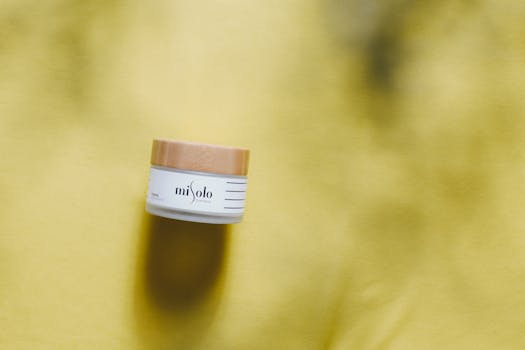 Photo: Misolo Cosmetic / Pexels
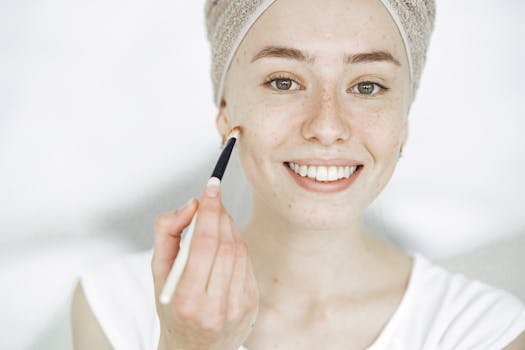 Photo: Gustavo Fring / Pexels