✓ Health Canada regulates cosmetics, but some ingredients still raise concerns.
✓ Parabens, phthalates, and sulfates are common irritants and endocrine disruptors.
✓ Fragrance is a leading cause of allergic reactions in skincare.
✓ Mineral oil, while not inherently 'bad', can be problematic for some skin types.
How It Works
1
Identify Problematic Ingredients
Learn to recognize common irritants and potential toxins by understanding their various names on ingredient lists. This knowledge empowers you to make informed decisions.
2
Read Ingredient Labels Diligently
Before purchasing, make it a habit to scrutinize product labels. Look for products that explicitly state 'free from' common harmful ingredients.
3
Opt for 'Clean Beauty' Brands
Seek out brands that prioritize transparency and formulate products without a long list of controversial ingredients. Many Canadian brands are leading the way in this movement.
4
Patch Test New Products
Even with seemingly safe ingredients, individual sensitivities vary. Always perform a patch test on a small area of skin before applying a new product to your entire face.
Understanding Health Canada's Role and Common Skincare Irritants
Photo: Mikhail Nilov / Pexels
In Canada, cosmetics are regulated under the Food and Drugs Act and the Cosmetic Regulations. Health Canada assesses cosmetic ingredients and products to ensure they are safe for public use. However, the regulatory landscape is complex, and certain ingredients, while permitted, continue to be a subject of debate among dermatologists, environmental advocates, and consumers. The term 'cosmetic' broadly includes products applied to the external parts of the human body for cleansing, beautifying, promoting attractiveness, or altering the appearance. This broad definition means that everything from your shampoo to your lipstick falls under these regulations. While Health Canada has a list of prohibited and restricted ingredients, it's crucial for consumers to understand that 'safe for general use' doesn't always mean 'optimal for every individual's skin health' or 'free from all potential long-term concerns.'
One of the most frequently cited categories of ingredients to approach with caution are those known as common irritants. These can cause redness, itching, burning, or dryness, especially for individuals with sensitive skin, eczema, rosacea, or other inflammatory skin conditions. Fragrance, whether synthetic or 'natural' (from essential oils), is a leading culprit. While a pleasant scent can be appealing, it's often a cocktail of many undisclosed chemicals that can trigger allergic contact dermatitis. Health Canada requires 'parfum' or 'fragrance' to be listed, but the specific components don't need to be itemized, making it difficult for consumers to identify specific allergens. For this reason, many dermatologists recommend fragrance-free products, particularly for facial skincare. Similarly, certain alcohols, specifically denatured alcohol (alcohol denat.), isopropyl alcohol, and ethanol, can be highly drying and irritating, stripping the skin's natural lipid barrier. While some beneficial fatty alcohols (like cetyl alcohol or stearyl alcohol) exist, it's important to distinguish between them. Another group includes strong surfactants like Sodium Lauryl Sulfate (SLS) and Sodium Laureth Sulfate (SLES), often found in cleansers and shampoos. These create rich lathers but can be overly harsh, disrupting the skin's pH and barrier function, leading to dryness and irritation. While their rinse-off nature reduces prolonged exposure, for sensitive individuals, even brief contact can be problematic. Understanding these common irritants is the first step in building a skin-friendly routine and ensuring your products align with your skin's unique needs.
Endocrine Disruptors and Preservatives to Monitor in Your Skincare
Photo: ROCKETMANN TEAM / Pexels
Beyond immediate irritation, some skincare ingredients raise concerns due to their potential long-term effects on the body, particularly their role as endocrine-disrupting chemicals (EDCs). EDCs are substances that can interfere with the body's hormonal system, potentially leading to adverse developmental, reproductive, neurological, and immune effects. Parabens (methylparaben, ethylparaben, propylparaben, butylparaben) are perhaps the most well-known EDCs in cosmetics. Used as preservatives to prevent microbial growth, they have been detected in human tissues, including breast cancer tumours, sparking widespread concern. While Health Canada considers parabens safe at current use levels, and their presence in cosmetic products is allowed, many consumers and brands are opting for paraben-free alternatives due to the precautionary principle. The debate around their safety is ongoing, but for those seeking to minimize potential exposure, avoiding parabens is a straightforward choice.
Another significant group of EDCs are phthalates. Often used to make plastics more flexible and as solvents or fixatives in fragrances, they can be found in a wide range of personal care products. Like parabens, phthalates have been linked to reproductive and developmental issues in animal studies, and human exposure is a public health concern. The challenge with phthalates is that they are not always directly listed on ingredient labels. They can often be hidden under the umbrella term 'fragrance' or 'parfum,' making them difficult to identify and avoid. This lack of transparency is a major reason why opting for fragrance-free products can reduce exposure to these hidden chemicals. Formaldehyde-releasing preservatives (FRPs) are another category to scrutinize. These chemicals, such as quaternium-15, DMDM hydantoin, imidazolidinyl urea, and diazolidinyl urea, slowly release small amounts of formaldehyde over time to prevent bacterial growth. Formaldehyde is a known human carcinogen and a common allergen, capable of causing skin irritation and sensitization. While Health Canada has restrictions on the levels of formaldehyde and FRPs allowed in cosmetics, individuals with sensitive skin or those looking to reduce exposure to potential carcinogens may choose to avoid them entirely. Understanding these categories of ingredients empowers Canadian consumers to make more informed choices about what they apply to their skin daily, advocating for greater transparency and safer formulations in the beauty industry.
Navigating the 'Natural' Trap: Essential Oils and Photosensitive Ingredients
Photo: Tima Miroshnichenko / Pexels
The allure of 'natural' products is strong, with many consumers believing that if an ingredient comes from nature, it must be good for the skin. However, the world of natural skincare is not without its complexities, and some naturally derived ingredients can be just as problematic as their synthetic counterparts, if not more so. Essential oils are a prime example. While many boast therapeutic properties, they are highly concentrated plant extracts that contain numerous chemical compounds, some of which can be potent allergens and irritants. Common essential oils like lavender, tea tree, peppermint, and citrus oils (lemon, lime, bergamot, orange) are frequently found in skincare, yet they can cause contact dermatitis, redness, and inflammation, particularly in individuals with sensitive skin. Furthermore, many citrus essential oils are phototoxic, meaning they react with UV light to cause severe skin damage, including burns, blisters, and hyperpigmentation. This photosensitivity risk is a critical consideration, especially in products intended for daytime use or applied to areas exposed to the sun. Even in small concentrations, the cumulative effect of daily exposure to multiple essential oils can lead to sensitization over time, meaning your skin might react negatively to an ingredient it once tolerated.
Beyond essential oils, other 'natural' ingredients can also pose issues. Certain plant extracts, while rich in antioxidants, can also be allergenic for some individuals. It's not uncommon for ingredients like propolis, certain flower extracts (e.g., chamomile, calendula in some forms), or even some fruit acids to cause reactions. The key takeaway is that 'natural' does not automatically equate to 'safe' or 'non-irritating.' Consumers need to approach natural ingredients with the same scrutiny they apply to synthetic ones, paying close attention to how their skin responds. For those with highly reactive or sensitive skin, opting for products that are truly minimalist and explicitly formulated without a long list of plant extracts and essential oils might be the safest bet. Always remember to patch test new products, regardless of their 'natural' claims, and consult with a dermatologist if you experience persistent reactions. The goal is to find what works best for your individual skin, not just what's marketed as natural. Understanding this nuance is crucial for effective product selection in Canada.
Tips for Decoding Labels and Making Safer Skincare Choices in Canada
Photo: Rachel Claire / Pexels
Navigating the complex world of skincare ingredients requires vigilance and a strategic approach. Here are practical tips to help Canadian consumers decode product labels and make safer choices for their skin:
* **Become an Ingredient Detective:** Don't just read the front of the label; flip the product over and scrutinize the ingredient list. Ingredients are listed in descending order of concentration, so the first few ingredients make up the bulk of the product. The closer a problematic ingredient is to the top, the higher its concentration and potential for issues.
* **Look for 'Free From' Claims, But Be Wary:** Many brands proudly advertise 'paraben-free,' 'sulfate-free,' or 'fragrance-free.' While these claims can be helpful, remember that 'free from' one ingredient doesn't guarantee the absence of other potential irritants. Always cross-reference with the full ingredient list.
* **Understand Ingredient Synonyms:** Many chemicals have multiple names. For example, sodium lauryl sulfate might also appear as SLS, or various parabens might be listed individually (methylparaben, propylparaben). Familiarize yourself with common synonyms for ingredients you wish to avoid.
* **Prioritize Fragrance-Free for Sensitive Skin:** If you have sensitive skin, rosacea, or eczema, make 'fragrance-free' your top priority. This includes both synthetic fragrances and essential oils. Look for products explicitly labeled 'fragrance-free' or 'for sensitive skin.'
* **Utilize Online Resources and Apps:** Several reputable online databases and mobile apps (e.g., EWG's Skin Deep, Think Dirty) allow you to scan product barcodes or search for ingredients to assess their potential hazards. While these tools are not perfect and should be used as guides, they can be excellent starting points for research.
* **Consult a Dermatologist:** If you have persistent skin issues or suspect a reaction to a specific ingredient, a dermatologist can help identify the culprit through patch testing and recommend suitable products for your skin type and concerns. They can provide personalized advice based on your skin's unique needs and sensitivities.
* **Start Small and Patch Test:** When introducing new products, especially if you have sensitive skin, apply a small amount to an inconspicuous area (like behind the ear or on the inner forearm) for a few days. Observe for any redness, itching, or irritation before applying it to your face or larger areas.
* **Support Transparent Brands:** Choose brands that are transparent about their ingredient sourcing, manufacturing processes, and commitment to clean formulations. Many Canadian brands are at the forefront of this movement, offering high-quality, ethically produced skincare.
By adopting these habits, you can significantly reduce your exposure to potentially harmful or irritating ingredients, leading to a healthier, happier complexion. Making informed choices about your skincare is a powerful step towards overall wellness.
Comparison
Ingredient Category
Best Option (Often)
Alternative 1 (Consider)
Alternative 2 (Avoid for Most)
Preservatives
Phenoxyethanol, Caprylyl Glycol
Sodium Benzoate, Potassium Sorbate
Parabens, Formaldehyde Releasers
Fragrance
Fragrance-Free, Unscented
Naturally derived (patch test)
Synthetic Fragrance, Parfum
Sulfates
Sulfate-Free Cleansers
Cocamidopropyl Betaine
Sodium Lauryl Sulfate (SLS), SLES
Alcohols
Fatty Alcohols (Cetyl, Stearyl)
Small amounts in specific formulations
Denatured Alcohol, Ethanol, Isopropyl Alcohol
Phthalates
Phthalate-Free Products
Products with clear ingredient lists
Hidden in 'fragrance' or 'parfum'
Mineral Oil
Plant-derived oils (Jojoba, Argan)
Highly purified mineral oil (for some)
Heavy mineral oil (for acne-prone)
Dyes/Colorants
Colorant-Free
Naturally derived pigments
Synthetic Dyes (e.g., FD&C colors)
What Readers Say
★★★★★
"Since switching to skincare products free of parabens and synthetic fragrances, my skin has never looked better. I used to get so much redness, but now it's calm and clear. This article really highlights the ingredients to avoid in skincare Canada that made a difference for me."
Sarah L. · Toronto, ON
★★★★★
"I always thought 'natural' was best, but after reading about photosensitive essential oils, I checked my routine. Removing citrus oils from my morning serum completely stopped the strange pigmentation I was getting. This guide on ingredients to avoid in skincare Canada is a lifesaver."
David R. · Vancouver, BC
★★★★★
"As someone with chronic eczema, finding products that don't trigger a flare-up is a nightmare. Focusing on truly fragrance-free and sulfate-free cleansers, as suggested for ingredients to avoid in skincare Canada, has drastically reduced my irritation and dry patches."
Emily C. · Montreal, QC
★★★★★
"This article was incredibly informative, especially the section on endocrine disruptors. While I appreciate Health Canada's regulations, I'm now much more proactive about avoiding phthalates and parabens. It's a lot to learn, but my skin feels healthier already, though finding truly clean products can be a challenge."
Mark P. · Calgary, AB
★★★★★
"I used to experience breakouts and dullness, which I blamed on my diet. After learning about common irritants from this guide on ingredients to avoid in skincare Canada, I switched to an alcohol-free toner and my complexion has completely transformed. My skin looks so much brighter and feels smoother."
Jessica M. · Halifax, NS
Frequently Asked Questions
What are the top 5 ingredients to avoid in skincare Canada for sensitive skin?
For sensitive skin in Canada, prioritize avoiding synthetic fragrances (parfum), denatured alcohols, strong sulfates (SLS/SLES), essential oils (especially citrus), and formaldehyde-releasing preservatives. These are common irritants that can trigger redness, itching, and dryness.
Are 'natural' ingredients always safe in Canadian skincare products?
No, 'natural' does not automatically mean safe or non-irritating. Many natural ingredients, such as certain essential oils (e.g., lavender, tea tree, citrus) and plant extracts, can be potent allergens or photosensitizers for some individuals, even if derived from nature.
How can I easily check if a product contains ingredients I want to avoid?
The best way is to meticulously read the ingredient list on the product packaging. You can also use reputable online databases like EWG's Skin Deep or mobile apps like Think Dirty, which allow you to scan product barcodes and get an ingredient breakdown and hazard rating.
Are expensive skincare products less likely to contain harmful ingredients?
Not necessarily. Price is not a reliable indicator of ingredient safety or quality. Both high-end and affordable brands can contain problematic ingredients, and conversely, excellent clean formulations can be found across various price points. Always check the ingredient list, regardless of cost.
What's the difference between 'fragrance-free' and 'unscented' in Canada?
'Fragrance-free' means no fragrance ingredients have been added to the product. 'Unscented' means the product may contain chemicals to neutralize or mask natural odours, which could still be irritating. For sensitive skin, 'fragrance-free' is generally the safer choice.
Who should be most concerned about ingredients to avoid in skincare Canada?
While everyone can benefit from mindful ingredient selection, individuals with sensitive skin, allergies, eczema, rosacea, acne-prone skin, pregnant or breastfeeding individuals, and those concerned about long-term health effects of certain chemicals should be particularly vigilant.
Is Health Canada doing enough to regulate harmful ingredients in cosmetics?
Health Canada has regulations in place and a Cosmetic Ingredient Hotlist of prohibited and restricted substances. However, some argue that the list could be more comprehensive and that regulations could be stricter, aligning with precautionary principles adopted in other regions. Consumers are encouraged to stay informed.
What are emerging trends in avoiding problematic skincare ingredients in Canada?
The 'clean beauty' movement is gaining significant traction, emphasizing transparency, minimalist formulations, and the avoidance of a 'dirty dozen' or 'free-from' list of ingredients. There's also a growing focus on microbiome-friendly skincare and sustainable, ethically sourced ingredients.
By understanding the ingredients to avoid in skincare Canada, you empower yourself to make better choices for your skin's health and overall well-being. Start scrutinizing those labels today and embark on a journey to a cleaner, more radiant complexion. Your skin will thank you for it!

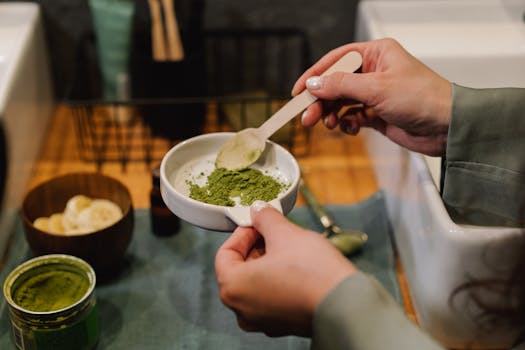 Photo: Mikhail Nilov / Pexels
 Photo: ROCKETMANN TEAM / Pexels
 Photo: Tima Miroshnichenko / Pexels
 Photo: Rachel Claire / Pexels