✓ Understanding your skin's undertone (cool, warm, neutral) is crucial for an accurate foundation match.
✓ Natural light is essential for testing foundation shades to avoid colour distortion.
✓ Always test foundation on your jawline, not your hand or wrist, for the most accurate match.
✓ Canadian seasons and regional differences can impact skin tone, requiring shade adjustments throughout the year.
How It Works
1
Identify Your Undertone
Determine if your skin has cool (pink/red), warm (yellow/golden), or neutral (mix) undertones. This is the bedrock of shade selection.
2
Test Shades in Natural Light
Apply 2-3 potential shades along your jawline and observe them under natural daylight. The shade that disappears is your match.
3
Consider Your Skin Type
Match the foundation formula to your skin type (oily, dry, combination, sensitive) for optimal wear and finish. This ensures comfort and longevity.
4
Evaluate Finish and Coverage
Decide on your desired finish (matte, dewy, natural) and coverage level (sheer, medium, full). These choices personalize your look.
Decoding Your Skin's Undertone: The Foundation of a Perfect Match
Photo: AI25.Studio Studio / Pexels
Finding the perfect foundation shade in Canada, or anywhere for that matter, hinges on one critical factor: understanding your skin's undertone. This isn't about the surface colour of your skin, which can change with sun exposure or redness, but rather the subtle hue beneath the surface that dictates how colours interact with your complexion. There are three primary undertones: cool, warm, and neutral. Identifying yours is the first, and arguably most important, step in achieving a seamless, natural-looking finish that doesn't leave you looking ashy, orange, or disconnected from your neck. Many Canadians, due to our diverse population and varying climates, possess a wide spectrum of undertones, making this step even more crucial.
Let's break down how to pinpoint your undertone. One popular method is the 'vein test.' Look at the veins on the inside of your wrist under natural light. If they appear blue or purple, you likely have cool undertones. This means your skin has more pink, red, or bluish hues. If your veins look green, you probably have warm undertones, indicating more yellow, golden, or peachy hues in your skin. If you can't quite tell, and your veins appear a mix of blue and green, or you struggle to categorize them, you likely have neutral undertones. This means your skin has a balanced mix of warm and cool tones.
Another helpful indicator is how your skin reacts to the sun. If you tend to burn easily and then tan little or not at all, you're often cool-toned. If you tan easily and rarely burn, you're typically warm-toned. Those with neutral undertones might burn initially but then develop a tan. Jewellery can also offer clues: silver jewellery often looks more flattering on cool undertones, while gold complements warm undertones. If both silver and gold look equally good on you, you might be neutral.
Consider also how certain colours look against your skin. People with cool undertones often look best in jewel tones like sapphire blue, emerald green, and deep purples, as well as true white and black. Warm undertones are often enhanced by earthy tones such as olive green, burnt orange, brown, and cream, as well as off-white. Neutral undertones have the flexibility to wear a wide range of colours.
Once you've identified your undertone, this information becomes a powerful tool when navigating foundation shade names. Brands often incorporate letters or descriptions into their shade names to indicate undertone. For example, 'C' or 'Cool' might signify pink or red undertones, 'W' or 'Warm' for yellow or golden, and 'N' or 'Neutral' for a balance. However, these labels aren't universally consistent across all brands, so understanding your own skin's characteristics remains paramount. This foundational knowledge will empower you to filter through countless options and narrow down your search significantly, making the process of how to choose the right foundation shade in Canada much less daunting. For more in-depth guidance on skin analysis, you can explore resources on understanding your skin type.
The Art of Testing: Where and How to Swatch for Success
Photo: Marko Klaric / Pexels
Once you have a grasp of your undertone, the next crucial step in learning how to choose the right foundation shade in Canada is the actual testing process. This is where many people go wrong, leading to mismatched foundation lines and a less-than-flawless finish. The cardinal rule of foundation testing is simple: never, ever test foundation on your hand or wrist. The skin on these areas is almost always a different shade and undertone than your face and neck, leading to an inaccurate match. Instead, the optimal spot for testing foundation is your jawline.
When you're at a beauty counter or in a drugstore, select 2-3 shades that you believe are close to your skin tone, keeping your determined undertone in mind. Apply a small stripe of each shade directly onto your jawline, extending slightly down onto your neck. This area is ideal because it allows you to see how the foundation blends with both your face and your neck, ensuring a seamless transition. The goal is for the foundation to essentially disappear into your skin.
After applying the swatches, it's absolutely vital to step away from the artificial store lighting. Department stores and drugstores often have harsh, fluorescent lights that can distort colours, making a perfect match appear too light, too dark, or the wrong undertone. If possible, step outside into natural daylight. This is the most accurate light source for evaluating foundation shades. Observe the swatches in natural light – the shade that vanishes into your skin without leaving a noticeable line or cast is your perfect match. It shouldn't make your skin look paler, darker, or alter its natural colour; it should simply enhance it.
Give the foundation a few minutes to oxidize on your skin before making a final decision. Some foundation formulas can change colour slightly as they interact with your skin's oils and the air. What might look perfect immediately after application could shift a shade or two darker or lighter after a few minutes. This oxidation period is particularly important for those with oilier skin types, as their natural oils can accelerate this process. If possible, wear the foundation for a few hours or even a full day to truly assess its wear, comfort, and how it looks in various lighting conditions. Many beauty retailers in Canada offer samples, which is an excellent way to test a foundation's longevity and true colour without committing to a full bottle. Don't be shy to ask for one! This meticulous testing process might seem time-consuming, but it's the most reliable way to ensure you're investing in a foundation that truly complements your complexion and helps you achieve that coveted 'second skin' look.
Beyond Shade: Matching Foundation Formula to Your Canadian Skin Needs
Photo: RDNE Stock project / Pexels
While finding the correct shade and undertone is paramount, learning how to choose the right foundation shade in Canada also encompasses selecting the appropriate formula for your unique skin type and desired finish. A perfect shade in the wrong formula can lead to a less-than-ideal result, whether it's caking, slipping, or emphasizing texture. Canadian weather, with its often extreme fluctuations from humid summers to dry, freezing winters, plays a significant role in how foundation performs and what formula will best suit your skin throughout the year.
For those with dry skin, especially during the harsh Canadian winter, a hydrating or dewy finish foundation is often the best choice. Look for formulas that are liquid, cream, or serum-based, often labelled as 'hydrating,' 'luminous,' or 'radiant.' These foundations typically contain moisturizing ingredients like hyaluronic acid or glycerin, which prevent flaking and provide a healthy glow. Avoid matte or powder foundations, which can cling to dry patches and make your skin look dull or accentuate fine lines. During humid summer months, a slightly less dewy formula might be preferred to prevent excessive shine.
Oily skin types, conversely, will benefit most from matte or semi-matte foundations. These formulas are designed to control shine, minimize pores, and provide a long-lasting finish. Look for oil-free, non-comedogenic options, often labelled as 'mattifying,' 'long-wear,' or 'oil-control.' Powder foundations can also be an excellent choice for oily skin, offering additional oil absorption. Gel-based or water-based liquid foundations are often good choices. Be wary of overly dewy formulas, as they can exacerbate shine and break down quickly on oily skin. However, even oily skin needs some hydration, so ensure your skincare routine is balanced.proper skincare routine.
Combination skin, which features both oily and dry areas, requires a more strategic approach. Many people with combination skin find success with 'natural finish' or 'satin finish' foundations, which offer a balance – not too matte, not too dewy. You might also consider using different primers or setting powders in different areas of your face to address specific concerns. For example, a mattifying primer on the T-zone and a hydrating primer on drier cheeks.
Sensitive skin types should look for foundations that are fragrance-free, hypoallergenic, and non-comedogenic. Mineral foundations are often a good choice as they contain fewer potential irritants. Always check ingredient lists for known allergens.
Finally, consider your desired coverage level. Sheer coverage evens out skin tone subtly, allowing your natural skin to show through. Medium coverage offers more concealment while still looking natural, and full coverage provides maximum concealment for blemishes, discolouration, and redness. The choice depends on your personal preference and the occasion. Understanding these nuances ensures that your perfectly matched shade also performs flawlessly, adapting to your skin's needs and the varied Canadian climate.
Common Foundation Matching Mistakes and How to Avoid Them in Canada
Photo: Andrea Piacquadio / Pexels
Even with the best intentions, it's easy to fall into common traps when trying to find the perfect foundation shade, especially with the vast array of options available in the Canadian market. Avoiding these pitfalls will significantly increase your chances of a successful match and a flawless complexion.
One of the most frequent mistakes is testing foundation on your hand or wrist. As discussed, the skin on these areas is rarely the same colour or undertone as your face. Always swatch on your jawline and blend down slightly onto your neck to ensure a seamless transition.
Another major error is relying solely on artificial lighting. The fluorescent lights in stores can be incredibly deceptive, making foundations appear different than they will in natural daylight. Always step outside or find a window to assess your swatches. If you can't leave the store, try to view the shades in different sections of the store, as lighting can vary.
Ignoring your skin's undertone is a critical misstep. Without knowing if you're cool, warm, or neutral, you risk selecting a foundation that looks too orange (if you're cool-toned and pick a warm shade) or too ashy (if you're warm-toned and pick a cool shade). Take the time to accurately determine your undertone before you even start swatching.
Not allowing for oxidation is another common oversight. Many foundations, particularly those with a higher oil content or certain pigments, can oxidize and darken slightly after a few minutes of contact with your skin and the air. Always give a swatch at least 5-10 minutes to settle before making a judgment. If possible, get a sample and wear it for a few hours.
Choosing a foundation that is too light or too dark for your skin is a classic mistake. Some people mistakenly believe a lighter foundation will brighten their complexion, but it often results in a ghostly, unnatural look. Conversely, a foundation that's too dark can make you look muddy or orange. The goal is to match your natural skin tone, not to change it drastically. Your foundation should enhance, not overpower.
Forgetting to consider seasonal changes is particularly relevant in Canada. Your skin tone can naturally lighten in winter and deepen slightly in summer due to sun exposure. It's not uncommon to need two different foundation shades throughout the year – one for warmer months and one for colder months. You might even mix them during transitional periods.
Finally, don't be afraid to ask for help! Beauty advisors in Canadian drugstores and department stores are often trained to assist with shade matching. While their advice should be cross-referenced with your own observations in natural light, they can be a great starting point, especially if you're feeling overwhelmed by the choices. Remember, finding your perfect foundation takes patience and practice, but by avoiding these common mistakes, you'll be well on your way to a truly flawless finish.
**Key Takeaways to Avoid Mismatches:**
* **Always test on your jawline.**
* **Evaluate in natural daylight.**
* **Know your undertone.**
* **Allow for oxidation.**
* **Match your current skin tone, don't try to change it.**
* **Consider seasonal variations.**
* **Don't hesitate to ask for samples or expert advice.**
Comparison
Feature
Cool Undertone
Warm Undertone
Neutral Undertone
Vein Colour
Blue/Purple
Green/Olive
Mix of Blue/Green
Sun Reaction
Burns easily, tans minimally
Tans easily, rarely burns
Burns then tans
Jewellery Preference
Silver
Gold
Both
Foundation Shade Descriptors
Pink, Red, Rose, C
Yellow, Golden, Peach, W
N, Beige, Balanced
What Readers Say
★★★★★
"This guide completely changed how I approach foundation shopping in Canada. I finally understood my cool undertone, and now my foundation blends seamlessly. No more orange jawlines for me!"
Sarah L. · Toronto, ON
★★★★★
"Living in Vancouver, my skin tone shifts with the seasons. This article's advice on having two shades was a game-changer. My foundation looks natural all year round."
Marc P. · Vancouver, BC
★★★★★
"I used to always test on my hand, and my foundation never looked right. Following the jawline test in natural light, I found my perfect match on the first try. So much time saved!"
Aisha R. · Calgary, AB
★★★★★
"The tips on undertones were super helpful, though some brands still make it tricky with their naming conventions. Overall, a very comprehensive guide for finding foundation in Canada."
Chloe M. · Montreal, QC
★★★★★
"As someone who's always struggled with redness, finding a foundation that truly neutralized it without looking cakey was a dream. This guide led me to the right formula and shade."
David K. · Halifax, NS
Frequently Asked Questions
What is the most important factor when choosing a foundation shade in Canada?
The most important factor is accurately identifying your skin's undertone – whether it's cool, warm, or neutral. This underlying hue dictates which foundation shades will blend seamlessly with your natural complexion and prevent an unnatural or mismatched appearance. Without understanding your undertone, even a seemingly correct surface shade can look off.
My foundation always looks too orange or too ashy. What am I doing wrong?
This is a classic sign of an undertone mismatch. If your foundation looks too orange, you likely have a cool undertone but are using a warm-toned foundation. If it looks too ashy or grey, you might have a warm undertone but are using a cool-toned foundation. Re-evaluate your undertone using the vein test and jewellery test, and look for foundations specifically formulated for your undertone.
How do I test foundation shades correctly in a store?
To test foundation shades correctly, apply 2-3 potential shades in small stripes directly onto your jawline, extending slightly onto your neck. Then, step away from artificial store lighting and observe the shades in natural daylight. The shade that disappears into your skin without leaving a visible line or cast is your best match. Allow a few minutes for oxidation before making a final decision.
Is it worth investing in a more expensive foundation in Canada?
The value of a foundation isn't solely tied to its price. While high-end foundations often offer more sophisticated formulas, a wider shade range, and premium ingredients, many affordable drugstore options perform exceptionally well. It's more about finding the right shade, undertone, and formula for your skin type and preferences, rather than the price tag. Samples are a great way to test before committing.
How does Canadian weather affect my foundation choice?
Canadian weather, with its distinct seasons, significantly impacts foundation choice. In dry winters, you might prefer hydrating, dewy formulas to combat dryness. In humid summers, oil-controlling, matte, or long-wear formulas might be better to prevent shine and melting. Your skin tone can also change with sun exposure, requiring a slightly different shade for summer versus winter.
Who should use a full-coverage foundation?
Full-coverage foundation is ideal for individuals who desire maximum concealment for skin concerns such as acne, hyperpigmentation, redness, or uneven skin tone. It provides a uniform canvas and is often preferred for special occasions or when a completely flawless look is desired. However, it requires careful application to avoid a heavy or 'cakey' appearance.
Are online foundation shade matching tools reliable?
Online foundation shade matching tools can be a helpful starting point, especially if you know your current shade in another brand. However, they are not foolproof. Factors like screen calibration, lighting in your reference photo, and the tool's algorithm can lead to inaccuracies. Always use online suggestions as a guide and ideally, test the recommended shades in person before purchasing.
What's the future trend for foundation matching in Canada?
The future of foundation matching in Canada is moving towards hyper-personalization, leveraging AI and augmented reality. Expect more in-store devices that scan your skin for precise undertone and shade recommendations, alongside virtual try-on apps that offer highly realistic previews. Brands are also focusing on more inclusive shade ranges and customizable formulas to cater to diverse Canadian complexions.
Mastering how to choose the right foundation shade in Canada can transform your beauty routine, giving you confidence and a flawless complexion. By understanding your undertone, testing correctly, and matching your formula to your skin's needs, you're well on your way to finding your perfect match. Embrace these expert tips and step out with confidence, knowing your foundation is truly your second skin.

 Photo: AI25.Studio Studio / Pexels
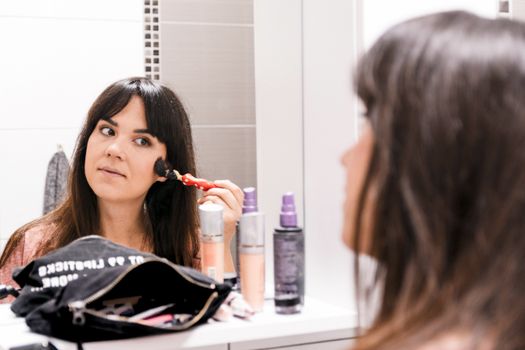 Photo: Marko Klaric / Pexels
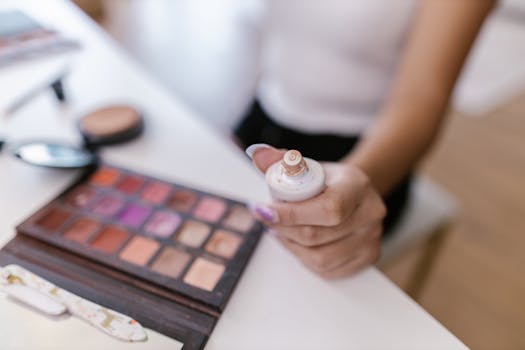 Photo: RDNE Stock project / Pexels
 Photo: Andrea Piacquadio / Pexels