✓ Understanding your undertone is crucial for an accurate online match.
✓ Lighting significantly impacts how foundation appears on your skin.
✓ Virtual try-on tools and shade matching quizzes are increasingly sophisticated.
✓ Always cross-reference with multiple online resources before purchasing.
How It Works
1
Identify Your Undertone
Determine if you have warm, cool, or neutral undertones using simple at-home tests. This foundational step guides all subsequent shade selections.
2
Leverage Online Matching Tools
Utilize brand-specific virtual try-on features and independent shade finders. Upload photos or answer questionnaires to narrow down options.
3
Consult Swatch Comparisons & Reviews
Search for real-life swatches on various skin tones and read reviews from users with similar complexions. This provides a practical perspective beyond digital renderings.
4
Test & Adjust Upon Arrival
Once your foundation arrives, test it in natural light on your jawline or neck. Be prepared to exchange or mix shades if the initial match isn't perfect.
Decoding Your Undertones: The Foundation of Online Matching
Photo: Gustavo Fring / Pexels
One of the most common pitfalls when trying to choose foundation shade online is neglecting the crucial role of undertones. Your skin's surface colour, or overtone, can change due to sun exposure or conditions like rosacea, but your undertone remains consistent. It's the subtle hue beneath the surface that dictates whether a foundation looks natural or appears ashy, orange, or too pink. There are three primary undertones: warm, cool, and neutral. Warm undertones typically have a peachy, golden, or yellow hue. People with warm undertones often tan easily and look best in gold jewelry. Cool undertones, on the other hand, have hints of pink, red, or blue. They might burn easily in the sun and typically look better in silver jewelry. Neutral undertones are a balance of both, without a dominant golden or pink tone, and can often wear both gold and silver jewelry well.
To accurately identify your undertone for online shopping, several methods can be employed. The simplest is the 'vein test.' Look at the veins on the inside of your wrist in natural light. If they appear blue or purple, you likely have cool undertones. If they look green, you probably have warm undertones. If you can't quite tell if they're blue or green, or if they appear a mix, you might be neutral. Another useful test is the 'jewelry test.' Consider whether gold jewelry or silver jewelry complements your skin more. If gold enhances your complexion, you lean warm. If silver brightens you up, you're likely cool. If both look equally good, you're probably neutral.
The 'white paper test' is also effective. Hold a pure white piece of paper next to your bare face in natural light. If your skin appears yellowish or golden against the white, you have warm undertones. If it looks pinkish or rosy, you have cool undertones. If you see a mix or no strong colour, you're neutral. Once you've identified your undertone, this information becomes your north star when browsing foundation shades online. Many brands categorize their shades by undertone (e.g., 'W' for warm, 'C' for cool, 'N' for neutral), making the selection process significantly easier. Without this fundamental understanding, even the most sophisticated online tools will struggle to provide an accurate match. Remember, getting your undertone right is the single most impactful step in preventing buyer's remorse and achieving that coveted seamless finish. This knowledge is not just for foundation; it also influences your choice of blush, lipstick, and even clothing colours, making it a valuable investment in your overall beauty knowledge. It empowers you to make more informed decisions across your entire makeup routine, ensuring every product you select harmonizes with your natural complexion. Don't rush this step; take your time to truly understand your unique skin identity.
Navigating Virtual Try-On and Online Shade Finders
Photo: KATRIN BOLOVTSOVA / Pexels
The digital landscape of beauty has evolved dramatically, offering an array of tools designed to help you choose foundation shade online with greater precision. Gone are the days of guessing games; now, virtual try-on features and sophisticated shade-matching quizzes are at your fingertips. Major beauty retailers and individual brands have invested heavily in augmented reality (AR) technology that allows you to 'try on' foundation shades using your smartphone or computer camera. These tools typically overlay different foundation shades onto your live video feed or a static photo, giving you a visual representation of how the product might look on your skin. While impressive, it's crucial to use these tools under optimal conditions. Ensure you're in good, natural lighting – fluorescent or harsh overhead lights can distort the colours significantly. Also, make sure your camera quality is decent and your face is clean and free of other makeup for the most accurate simulation.
Beyond AR, many websites offer detailed shade-matching quizzes. These questionnaires delve deeper into your skin's characteristics, asking about your current foundation shade (if you have one you like), your undertone, your skin's depth (light, medium, deep), and even your skin concerns. Some advanced quizzes will ask for a photo of your bare face, which their AI then analyzes to suggest shades. The more information you provide, the better the algorithm can work. Furthermore, independent shade-matching platforms have emerged, allowing you to input a foundation shade you already use and love, and they will then cross-reference it with thousands of other foundations to find equivalents across different brands. This is particularly useful if your favourite foundation is discontinued or if you want to explore new brands with a similar shade.
When using these digital tools, it’s always a good practice to try multiple options. Don't rely solely on one virtual try-on or one quiz result. Compare suggestions from different brand websites and independent shade finders. Look for consistency in the recommended undertones and depth. Also, pay attention to how the tool describes the shades – terms like 'fair with neutral undertones' or 'medium-deep with warm undertones' can provide valuable context. Remember that screen calibration on your device can also affect how colours appear. What looks perfect on your phone might look slightly different on your laptop. Adjust your screen brightness to a neutral setting if possible. While these tools are incredibly helpful, they are aids, not infallible solutions. They serve as excellent starting points to narrow down your options, significantly reducing the overwhelming number of choices available online. Embrace these technological advancements, but always combine them with other methods for the most accurate outcome.
Leveraging Swatches and Community Reviews for Confidence
Photo: Ron Lach / Pexels
Even with advanced virtual try-on tools and precise undertone identification, the human element remains invaluable when you choose foundation shade online. This is where real-life swatches and community reviews become your best friends. Search engines and social media platforms like Instagram, Pinterest, and TikTok are treasure troves of user-generated content. Many beauty enthusiasts and influencers regularly post detailed swatches of various foundations across different skin tones and lighting conditions. When looking for swatches, try to find individuals who share a similar skin depth and undertone to yours. Seeing a shade swatched on an arm, neck, or jawline provides a much more realistic representation than a digital rendering. Pay attention to how the foundation dries down – does it oxidize and darken, or does it remain true to colour? Look for comparisons between different shades within the same range, as this can help you distinguish between very similar options.
Beyond visual swatches, dive deep into product reviews. Read comments and testimonials from other consumers, specifically looking for those who mention their skin tone, undertone, and how the foundation shade matched them. Phrases like 'perfect match for my fair, cool skin' or 'it oxidized a shade darker on my warm, medium skin' are incredibly insightful. Don't just focus on the five-star reviews; nuanced feedback, even from four-star ratings, can offer valuable context. Some reviewers might mention that a shade runs slightly lighter or darker than expected, or that its undertone leans more yellow or pink in reality than in the product description. This collective wisdom from the beauty community can often highlight subtle nuances that official product descriptions or even virtual try-ons might miss. Consider YouTube videos where creators apply the foundation in real-time, allowing you to see how it looks under various lighting and how it blends into the skin. Beauty vloggers often provide unfiltered opinions and show how a foundation performs throughout the day, which adds another layer of confidence to your online purchase.
Another strategy is to search for 'dupes' or 'shade equivalents' if you know a foundation shade that works for you from another brand. Many online resources and forums are dedicated to identifying similar shades across different product lines. This can be a lifesaver if your go-to product is out of stock or if you're looking to try a new formula. Remember that lighting plays a critical role in how swatches appear, so try to view content filmed in natural daylight. The more real-life examples you can find that align with your skin characteristics, the higher your chances of making a successful online foundation purchase. This meticulous research might seem time-consuming, but it's a small price to pay for avoiding a drawer full of mismatched foundations and the frustration of repeated returns.
Common Mistakes to Avoid and Expert Tips for Flawless Online Matching
Photo: www.kaboompics.com / Pexels
Even with the best tools and research, there are common pitfalls when trying to choose foundation shade online. Being aware of these can save you time, money, and frustration. One of the biggest mistakes is relying solely on the model photos provided by the brand. These models are often professionally lit and retouched, and their skin tones might not accurately represent the shades in real life. Another frequent error is matching to your hand or arm instead of your face and neck. The skin on your hands and arms is often a different colour and can have a different undertone than your face, making it an unreliable testing ground. Always aim to match to your jawline or neck for the most seamless blend.
Here are some expert tips to ensure your online foundation purchase is a success:
* **Always read reviews specific to your region:** Skin tones and preferences can vary geographically. Look for reviews from Canadian customers where possible, as they might provide more relevant insights, especially regarding product availability and shipping.
* **Consider product oxidation:** Some foundations, especially those with a higher oil content, can oxidize and darken a shade or two after being exposed to air and skin oils. Look for reviews that specifically mention oxidation. If a foundation is known to oxidize, you might consider going one shade lighter.
* **Check the return policy:** Before making a purchase, thoroughly review the retailer's return policy for cosmetics. Many online beauty stores in Canada offer generous return policies for makeup, even if opened, but it's crucial to confirm this beforehand. Knowing you can return or exchange a product provides peace of mind.
* **Buy samples or mini sizes:** If available, purchasing a mini size or sample of a foundation before committing to a full bottle is an excellent strategy. This allows you to test the shade and formula in real life without a significant investment.
* **Don't forget the finish:** Beyond shade, consider the foundation's finish (matte, dewy, natural) and coverage (sheer, medium, full). These factors also play a huge role in how the foundation looks on your skin and should align with your preferences and skin type.
* **Utilize loyalty programs:** Many Canadian beauty retailers offer loyalty programs that provide perks like free samples, exclusive discounts, or even free returns. Maximize these benefits to make your online foundation shopping more rewarding and less risky.
* **Take good reference photos:** If you're struggling to describe your skin tone or undertone, take a clear, unedited photo of your bare face in natural light. This can be a useful reference when using online matching tools or even when seeking advice from online beauty communities.
* **Mix and match:** If you find two shades that are close but not perfect, consider buying both and mixing them. This is a common practice among makeup artists and allows for a custom shade, especially useful for seasonal skin tone changes. This approach ensures you always have a perfect match, regardless of minor variations in your complexion due to sun exposure or lack thereof.
Comparison
Feature
Virtual Try-On
Shade Matching Quizzes
Community Swatches & Reviews
Accuracy Potential
High (with good lighting)
Medium-High
High (with relevant matches)
Ease of Use
Very Easy
Easy
Moderate (requires searching)
Visual Representation
Live AR overlay
Textual recommendations
Real-life photos/videos
Personalization
Yes, real-time
Yes, based on input
Indirectly, via similar users
Risk of Mismatch
Moderate
Moderate
Low (if thorough)
Dependency on User Input
Low
High
Medium
What Readers Say
★★★★★
"I used to dread buying foundation online. After following this guide to identify my cool undertone and using a brand's virtual try-on, I finally found my perfect match! The tips on checking reviews with similar skin tones were a game-changer."
Sarah P. · Toronto, ON
★★★★★
"This article completely changed how I approach online foundation shopping. The advice on checking oxidation and return policies saved me from a bad purchase. My new foundation blends seamlessly!"
David L. · Vancouver, BC
★★★★★
"I was always guessing my shade, resulting in a drawer full of unused foundations. This guide's step-by-step approach, especially about undertones, helped me confidently choose foundation shade online, and it's a perfect match!"
Jessica M. · Calgary, AB
★★★★★
"The tips on leveraging community swatches were invaluable. While the first shade I picked wasn't perfect, I was able to narrow it down significantly, and the second one was spot on. Wish I'd known about the oxidation tip earlier!"
Emily R. · Montreal, QC
★★★★★
"As someone new to makeup, this article made how to choose foundation shade online feel less daunting. The section on virtual try-ons combined with reading customer reviews gave me the confidence to make my first successful purchase."
Omar K. · Edmonton, AB
Frequently Asked Questions
What is the most important factor when trying to choose foundation shade online?
Identifying your skin's undertone (warm, cool, or neutral) is arguably the most critical factor. This underlying hue dictates whether a foundation will truly blend with your skin or appear off. Without this knowledge, even advanced tools may struggle to provide an accurate match.
Can I really trust virtual try-on tools for foundation?
Virtual try-on tools are excellent starting points and have become quite sophisticated. However, their accuracy depends on good lighting, a clear camera, and your screen's calibration. Use them as a strong guide, but always cross-reference with other methods like swatches and reviews for the best results.
How do I test a foundation shade once it arrives?
Apply a small amount of the foundation directly to your jawline or neck, not your hand or arm. Allow it to sit for a few minutes to see if it oxidizes. Then, check it in natural daylight. The perfect shade will seamlessly disappear into your skin without leaving a visible line.
Is it worth buying samples or mini sizes before a full bottle?
Absolutely. If samples or mini sizes are available, they are an invaluable investment. They allow you to test the shade and formula in real-life conditions, observe oxidation, and ensure it works with your skin type before committing to a larger, more expensive purchase. This minimizes the risk of buyer's remorse.
What if my skin tone changes with seasons?
It's common for skin tones to lighten in winter and darken in summer. Many people find they need two different foundation shades for different seasons. You can purchase two close shades and mix them to create a custom match as your skin tone fluctuates, ensuring a perfect blend year-round.
Who should use this guide to choose foundation shade online?
This guide is for anyone in Canada who struggles with finding their perfect foundation match online, whether you're a beginner looking for your first foundation, an experienced makeup user seeking a new brand, or someone frustrated with past mismatched purchases. It's designed to empower confident online shopping.
Are there any risks to buying foundation online without trying it in person?
The primary risk is purchasing a shade that doesn't match, leading to wasted money and product. However, by following the comprehensive strategies in this guide – including undertone identification, using virtual tools, checking reviews, and understanding return policies – you can significantly mitigate these risks and make informed decisions.
What are future trends in online foundation matching?
Future trends point towards even more personalized AI-driven tools that can analyze skin texture, redness, and hyperpigmentation in addition to shade. We can expect more sophisticated virtual try-ons that account for different lighting conditions, and even home-based skin analysis devices that sync with online beauty retailers for hyper-accurate recommendations.
Armed with this comprehensive guide, you are now equipped to confidently choose foundation shade online in Canada. Say goodbye to guesswork and hello to a flawless complexion that truly reflects your natural beauty. Start your journey to the perfect match today!

 Photo: Gustavo Fring / Pexels
 Photo: KATRIN BOLOVTSOVA / Pexels
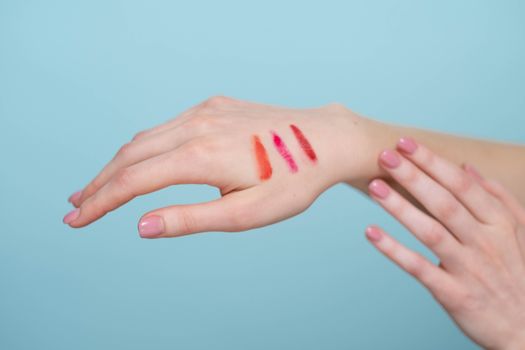 Photo: Ron Lach / Pexels
 Photo: www.kaboompics.com / Pexels