✓ Oily skin is characterized by excess sebum production, leading to shine and enlarged pores.
✓ Canadian climate can influence skin oiliness, requiring specific product considerations.
✓ Key ingredients to look for include salicylic acid, glycolic acid, niacinamide, and clay.
✓ Avoid harsh sulfates and alcohol, which can strip skin and trigger more oil production.
How It Works
1
Understand Your Skin's Unique Needs
Identify if your oiliness is consistent, seasonal, or combined with sensitivity. This initial assessment guides ingredient selection.
2
Decipher Ingredient Labels for Efficacy
Learn to recognize beneficial active ingredients and harmful irritants. Focus on balancing sebum without over-drying.
3
Consider Canadian Climate and Product Availability
Factor in local environmental conditions and readily available Canadian brands or formulations. Ensure accessibility and suitability.
4
Test and Adjust for Optimal Results
Introduce new cleansers gradually and monitor your skin's response. Patience is key to finding your long-term skincare solution.
Understanding Oily Skin in the Canadian Context
Photo: Andrea Musto / Pexels
Oily skin, medically known as seborrhea, is a common skin type characterized by an overproduction of sebum from the sebaceous glands. This excess oil can lead to a shiny complexion, enlarged pores, and a higher propensity for acne breakouts, blackheads, and whiteheads. While genetics play a significant role in determining skin type, environmental factors, hormonal fluctuations, diet, and even stress can exacerbate oiliness. For those living in Canada, the unique climate can further influence how oily skin behaves. The cold, dry winters, for instance, can sometimes trick the skin into producing more oil to compensate for a perceived lack of moisture, leading to a vicious cycle of oiliness and dehydration. Conversely, humid summers can increase surface oil and sweat, making shine more prominent and potentially clogging pores. Therefore, understanding these regional nuances is crucial when you are trying to figure out how to choose a facial cleanser for oily skin Canada.
The goal for oily skin isn't to strip away all its natural oils, which can be counterproductive and lead to even more oil production. Instead, the aim is to gently cleanse, balance sebum levels, and minimize the appearance of pores, all while maintaining the skin's natural barrier function. A good facial cleanser for oily skin in Canada should be able to remove excess oil, dirt, and impurities without causing irritation or dryness. It should leave the skin feeling fresh and clean, not tight or uncomfortable. The formulation must be effective enough to tackle oil and potential breakouts but gentle enough for daily use, especially considering the varying environmental stressors throughout Canada. Recognizing the root causes and triggers of your oily skin is the first foundational step towards selecting the right cleanser that will truly make a difference in your skin's health and appearance. This holistic approach ensures that your chosen product works in harmony with your skin, rather than against it, providing long-term benefits.
Key Ingredients to Seek Out for Oily Skin in Canada
Photo: Supplements On Demand / Pexels
When navigating the vast array of facial cleansers available in Canada, knowing which ingredients are beneficial for oily skin is paramount. Certain active ingredients are particularly effective at controlling sebum, refining pores, and preventing breakouts without being overly harsh. One of the most highly recommended ingredients is Salicylic Acid (BHA). This oil-soluble beta-hydroxy acid penetrates deep into the pores, dissolving excess sebum and dead skin cells that can lead to blockages and acne. Its exfoliating properties also help to improve skin texture and reduce inflammation, making it a cornerstone for many oily and acne-prone skin routines. Look for cleansers with concentrations typically ranging from 0.5% to 2% for effective daily use.
Another powerful exfoliator is Glycolic Acid (AHA). As an alpha-hydroxy acid, it works on the skin's surface to remove dead skin cells, promoting cell turnover and revealing brighter, smoother skin. While not oil-soluble like salicylic acid, it helps to improve overall skin clarity and can indirectly benefit oily skin by preventing surface build-up that can trap oil. Niacinamide, a form of Vitamin B3, is a multi-tasking ingredient that is excellent for oily skin. It helps to regulate sebum production, minimize the appearance of pores, improve skin elasticity, and reduce redness and inflammation. It's a gentle yet potent ingredient that supports the skin barrier, making it suitable even for sensitive oily skin types.
Clay-based cleansers, particularly those containing Kaolin or Bentonite clay, are also highly effective. Clays are natural absorbents that draw out impurities and excess oil from the skin, leaving it feeling clean and mattified. They can be particularly useful for a deeper cleanse, often found in mask-like cleansers. For those concerned about bacteria contributing to breakouts, ingredients like Tea Tree Oil (in small concentrations) or Benzoyl Peroxide (though typically found in leave-on treatments, some cleansers contain it) can offer antibacterial benefits. However, use Benzoyl Peroxide with caution as it can be drying. Always check for non-comedogenic formulas, meaning they won't clog pores, and ensure the product is free from harsh sulfates (like SLS/SLES) and excessive alcohol, which can strip the skin and trigger rebound oil production. Choosing cleansers with these targeted ingredients will empower you to effectively manage oiliness and achieve a clearer, more balanced complexion, especially when considering the unique challenges of the Canadian climate.
Formulations and Textures: Finding Your Match in Canada
Photo: Laura Beauty Designer | Brasil / Pexels
The texture and formulation of a facial cleanser are just as critical as its active ingredients, especially for oily skin in Canada. The market offers a diverse range of options, each with its own benefits. Gel cleansers are often a top recommendation for oily skin. They are typically lightweight, refreshing, and effective at cutting through oil and grime without leaving a heavy residue. Their water-based nature makes them excellent for a clean rinse, and many gel formulations incorporate key ingredients like salicylic acid or niacinamide. Foaming cleansers are another popular choice. These products lather up into a rich foam, providing a satisfying clean feeling. They are adept at lifting away excess oil and impurities from the skin's surface. However, it's crucial to distinguish between gentle foaming cleansers and those that contain harsh sulfates, which can be overly drying. Always opt for sulfate-free foaming options to protect your skin barrier.
Clay-based cleansers, as mentioned earlier, are fantastic for deep cleansing and oil absorption. They often come in a thicker cream or paste consistency that can be massaged into the skin and then rinsed off. These are particularly beneficial for very oily or congested skin types, providing a mattifying effect. Some brands in Canada also offer balm-to-oil or oil cleansers, which might seem counterintuitive for oily skin. However, the principle of 'like dissolves like' means that an oil cleanser can effectively break down and remove excess sebum, makeup, and sunscreen without stripping the skin. These are often used as the first step in a double-cleansing routine, followed by a water-based gel or foam cleanser. For those with oily skin that is also prone to sensitivity, creamy or milky cleansers, though less common for oil control, can sometimes be an option if they are specifically formulated to be non-comedogenic and contain gentle oil-regulating ingredients. These provide a softer cleanse, minimizing irritation while still addressing oil.
When making your selection, consider how the cleanser feels on your skin during and after use. Does it leave your skin feeling fresh and clean, or tight and dry? The ideal cleanser for oily skin should remove excess oil without compromising the skin's natural moisture barrier. Many Canadian brands are now formulating products specifically with these considerations in mind, offering a wide variety of effective and gentle options. Exploring reviews from other Canadians with similar skin concerns can also provide valuable insights into real-world performance under local conditions.
Common Mistakes to Avoid and Expert Tips for Oily Skin Cleansing
Photo: Miriam Alonso / Pexels
Navigating the world of oily skin care can be tricky, and certain common mistakes can inadvertently exacerbate the problem. Avoiding these pitfalls is as important as choosing the right product. Here are some key mistakes to steer clear of and expert tips to optimize your cleansing routine:
* **Over-cleansing or harsh scrubbing:** While it might feel intuitive to wash your face frequently or scrub vigorously to remove oil, this is a common mistake. Over-cleansing (more than twice a day) or using abrasive physical exfoliants can strip the skin's natural oils, leading to dehydration. In response, your skin can go into overdrive, producing even more oil to compensate. This creates a vicious cycle of oiliness and irritation. Instead, cleanse gently twice daily.
* **Using hot water:** Hot water can strip the skin of its natural oils and dilate blood vessels, potentially leading to increased redness and irritation. Always use lukewarm water when cleansing your face.
* **Skipping moisturizer:** Even oily skin needs hydration. After cleansing, apply a lightweight, non-comedogenic moisturizer. Dehydrated skin, even if oily, can produce more oil to compensate. Moisturizer helps balance the skin's barrier.
* **Not rinsing thoroughly:** Leaving cleanser residue on your skin can clog pores and lead to breakouts. Ensure you rinse your face thoroughly with lukewarm water until all traces of the cleanser are gone.
* **Using products with harsh alcohol or sulfates:** These ingredients can be overly drying and irritating, disrupting the skin's natural barrier and triggering increased oil production. Opt for sulfate-free and alcohol-free formulations.
**Expert Tips for Optimal Cleansing:**
* **Double Cleansing:** For those wearing makeup or sunscreen, a double-cleansing method can be highly beneficial. Start with an oil-based cleanser or micellar water to break down makeup and SPF, then follow with your regular gel or foaming cleanser to thoroughly clean the skin.
* **Pat Dry, Don't Rub:** After cleansing, gently pat your face dry with a clean, soft towel. Rubbing can cause irritation and friction, which isn't ideal for any skin type, especially oily.
* **Consistency is Key:** The best results come from a consistent routine. Use your chosen cleanser twice a day, every day, to regulate oil production and keep pores clear.
* **Listen to Your Skin:** Pay attention to how your skin reacts to new products. If you experience excessive dryness, tightness, or increased breakouts, the cleanser might be too harsh or not suitable for your specific needs. Adjust as necessary.
* **Consider pH Balance:** Look for cleansers that are pH-balanced (around 5.5). This helps maintain the skin's natural acidic mantle, which is crucial for barrier health and protection against bacteria.
* **Seasonal Adjustments:** As Canada experiences distinct seasons, your skin's needs might change. You might opt for a slightly gentler cleanser in the dry winter months and a more active, oil-controlling one in the humid summer.
By avoiding these common mistakes and incorporating these expert tips, you can significantly improve the efficacy of your cleansing routine and achieve better results in managing your oily skin.
Comparison
Feature
Gel Cleanser (Salicylic Acid)
Foaming Cleanser (Niacinamide)
Clay Cleanser (Kaolin)
Primary Benefit
Deep pore cleansing, exfoliation
Sebum regulation, pore minimization
Oil absorption, detoxification
Best For
Acne-prone, very oily skin
Oily, sensitive, uneven tone
Very oily, congested skin
Feel on Skin
Refreshing, clean
Light, airy, soft
Mattifying, deep clean
Risk of Drying
Moderate (if overused)
Low (if sulfate-free)
Moderate (if left too long)
Canadian Availability
✓
✓
✓
Key Ingredient
Salicylic Acid
Niacinamide
Kaolin Clay
What Readers Say
★★★★★
"Living in Toronto, my oily skin struggles with humidity. This guide helped me understand why my current cleanser wasn't cutting it and led me to a fantastic salicylic acid gel cleanser. My skin feels so much more balanced now!"
Sophie L. · Toronto, ON
★★★★★
"I used to just grab any 'oily skin' cleanser, but after reading this, I focused on ingredients like niacinamide. The difference in my pore appearance and overall shine is incredible. Truly helped me choose a facial cleanser for oily skin in Canada."
Marc T. · Vancouver, BC
★★★★★
"The sections on Canadian climate and ingredients were game-changers for me. I switched to a gentle, sulfate-free foaming cleanser and my breakouts have significantly reduced. My skin finally feels clean without being tight."
Jessica R. · Calgary, AB
★★★★★
"This guide offered solid advice, though finding some specific brands mentioned can be a bit challenging in Quebec. However, the ingredient focus allowed me to find a local alternative that works quite well for my oily skin."
David K. · Montreal, QC
★★★★★
"I always thought I needed to strip my oily skin, but the 'common mistakes' section changed my entire routine. Now I double cleanse and use a gentle gel, and my skin has never looked healthier. This is essential for anyone figuring out how to choose a facial cleanser for oily skin in Canada."
Emily S. · Halifax, NS
Frequently Asked Questions
What is the single most important factor when choosing a facial cleanser for oily skin in Canada?
The most important factor is the active ingredients. Look for formulations containing salicylic acid, glycolic acid, niacinamide, or clay, as these effectively target excess oil, exfoliate, and minimize pores without over-drying. Ensure the product is also non-comedogenic to prevent pore clogging.
Will using an oil cleanser make my oily skin worse?
No, an oil cleanser can actually be highly beneficial for oily skin. The principle of 'like dissolves like' means that oil-based cleansers effectively break down and remove excess sebum, makeup, and sunscreen without stripping the skin. They are often used as the first step in a double-cleansing routine.
How often should I cleanse my oily skin?
For most individuals with oily skin, cleansing twice a day – once in the morning and once in the evening – is ideal. Cleansing more frequently can strip the skin of its natural oils, leading to rebound oil production and irritation. Always use lukewarm water and pat dry gently.
Are expensive cleansers always better for oily skin?
Not necessarily. The effectiveness of a cleanser for oily skin depends more on its ingredients and formulation than its price tag. Many affordable Canadian brands offer excellent cleansers with beneficial active ingredients. Focus on ingredient lists and suitability for your skin type over brand prestige or cost.
What's the difference between a gel and a foaming cleanser for oily skin?
Gel cleansers are typically lightweight and refreshing, excellent at cutting through oil without heavy residue. Foaming cleansers lather into a rich foam, effectively lifting impurities. Both can be great for oily skin, but it's crucial to ensure foaming cleansers are sulfate-free to avoid over-drying and irritation.
Who should use a facial cleanser specifically designed for oily skin?
Anyone experiencing consistent shine, enlarged pores, frequent breakouts, or a feeling of greasiness throughout the day should consider a facial cleanser formulated for oily skin. These products are designed to regulate sebum, refine skin texture, and prevent congestion.
Can a cleanser for oily skin cause dryness or irritation?
Yes, if the cleanser is too harsh, contains strong sulfates or high concentrations of alcohol, or if you over-cleanse, it can lead to dryness, tightness, and irritation. Always choose gentle, pH-balanced formulas and introduce new products gradually to monitor your skin's reaction.
Are there any new trends in oily skin cleansers I should be aware of?
Emerging trends include microbiome-friendly cleansers that support the skin's natural bacterial balance, and cleansers with adaptogens or pre/probiotics aimed at reducing stress-induced oil production. There's also a growing emphasis on sustainable and naturally derived oil-controlling ingredients from Canadian sources.
Armed with this comprehensive guide, you're now ready to confidently choose a facial cleanser for oily skin in Canada. Remember, patience and consistency are key to achieving a balanced, radiant complexion. Start exploring the options and embrace your journey to healthier skin today.

 Photo: Andrea Musto / Pexels
 Photo: Supplements On Demand / Pexels
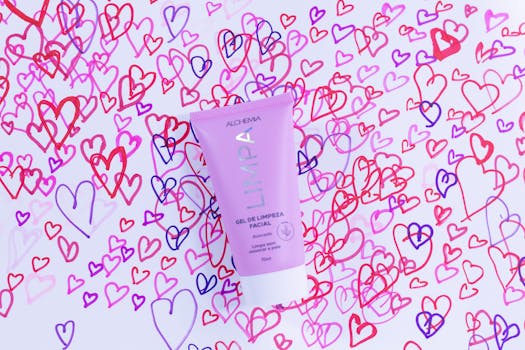 Photo: Laura Beauty Designer | Brasil / Pexels
 Photo: Miriam Alonso / Pexels