Your Guide to Eczema Friendly Skincare Canada
eczema friendly skincare Canada

Your Guide to Eczema Friendly Skincare Canada

Navigate the Canadian market to find effective, gentle solutions for your eczema-prone skin and reclaim comfort.

Find Your Relief Now

Key Takeaways

  • ✓ Eczema affects approximately 1 in 5 Canadians at some point in their lives.
  • ✓ Moisturization is the cornerstone of eczema management, often needing to be applied multiple times daily.
  • ✓ Identifying and avoiding triggers is as crucial as using the right skincare products.
  • ✓ Health Canada regulates cosmetic and skincare products, but specific 'eczema-friendly' certifications are often brand-specific.

How It Works

1
Understand Your Skin's Needs

Recognize your specific eczema triggers and symptoms. This personalized understanding is the first step towards effective management.

2
Decode Ingredient Labels

Learn to identify common irritants and beneficial ingredients. This empowers you to make informed choices when selecting products.

3
Establish a Gentle Routine

Implement a consistent cleansing and moisturizing regimen. Regular care is vital for maintaining the skin barrier and preventing flare-ups.

4
Consult Professionals

Seek advice from dermatologists or allergists for persistent or severe eczema. They can offer tailored treatment plans and product recommendations.

Understanding Eczema and Your Skin Barrier

Crop serene female with long black curly hair and red tender lips standing against lush greenery Photo: Diana ✨ / Pexels
Eczema, also known as atopic dermatitis, is a chronic inflammatory skin condition characterized by dry, itchy, inflamed skin. In Canada, millions grapple with this condition, from infants to adults, seeking relief and effective management strategies. At its core, eczema is often linked to a compromised skin barrier. Imagine your skin as a brick wall; in healthy skin, the 'bricks' (skin cells) are tightly bound together by 'mortar' (lipids like ceramides). This wall acts as a protective shield, keeping moisture in and irritants, allergens, and bacteria out. For those with eczema, this 'mortar' is often deficient, leading to gaps in the wall. This allows moisture to escape easily, causing dryness, and conversely, allows external aggressors to penetrate, triggering inflammation and itching. This constant cycle of dryness, itching, and scratching further damages the barrier, perpetuating the eczema flare. Understanding this fundamental aspect is crucial for selecting appropriate eczema friendly skincare in Canada. Products must aim not only to soothe symptoms but, more importantly, to repair and reinforce this crucial skin barrier. This often means looking for formulations rich in emollients, humectants, and barrier-repairing ingredients. The Canadian climate, with its harsh winters and often dry air, can exacerbate eczema symptoms, making robust skincare even more essential. Many Canadians find their eczema worsens during colder months due to lower humidity, highlighting the need for consistent and protective skincare throughout the year. The impact of eczema extends beyond physical discomfort; it can significantly affect quality of life, sleep, and even mental well-being. Therefore, investing time in finding the right skincare regimen is not just about aesthetics; it's about improving overall health and comfort. Choosing the right products can make a profound difference in managing this challenging condition. It's not a 'one-size-fits-all' approach; what works for one person might not work for another, emphasizing the importance of careful selection and patch testing. Furthermore, lifestyle factors such as stress, diet, and exposure to environmental allergens can play a significant role in eczema flare-ups, underscoring the holistic approach required for effective management. While this article focuses on topical skincare, it's important to remember that it's one piece of a larger puzzle in managing eczema effectively.

Key Ingredients to Look For (and Avoid) in Canada
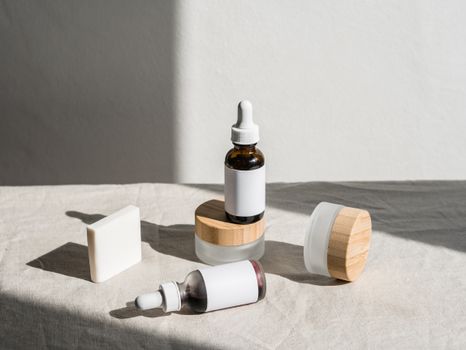
A minimalist still life of cosmetic bottles and jars with natural lighting, emphasizing beauty product design. Photo: Polina ⠀ / Pexels
When navigating the aisles for eczema friendly skincare in Canada, ingredient lists become your best friend. Knowing what to seek out and what to steer clear of is paramount for sensitive, eczema-prone skin. On the 'seek' list, emollients are non-negotiable. These are substances that soften and smooth the skin, forming an occlusive layer that prevents water loss. Look for ingredients like shea butter, cocoa butter, petrolatum (Vaseline), mineral oil, and lanolin. While lanolin can sometimes be an irritant for a small percentage of individuals, for many, it's a highly effective emollient. Humectants are another vital component; they draw moisture from the air into the skin, providing hydration. Glycerin, hyaluronic acid, and urea are excellent examples. Ceramides are naturally occurring lipids in the skin that are crucial for barrier function. Products containing ceramides help to replenish the 'mortar' of your skin barrier, making them highly beneficial for eczema. Colloidal oatmeal is a hero ingredient for soothing itchy, inflamed skin. Its anti-inflammatory and antioxidant properties can provide immediate relief. Niacinamide (Vitamin B3) can also help improve skin barrier function and reduce inflammation. On the flip side, there's a long list of ingredients to avoid. Fragrances, both synthetic and natural, are among the most common culprits for triggering eczema flare-ups. This includes essential oils, which, despite their natural origin, can be highly irritating. Dyes and artificial colours are unnecessary additives that offer no skin benefit and increase irritation risk. Sulfates (like Sodium Lauryl Sulfate and Sodium Laureth Sulfate) found in many cleansers can strip the skin of its natural oils, leading to dryness and irritation. Alcohol, especially drying alcohols like ethanol or isopropyl alcohol, should be avoided as they can dehydrate and disrupt the skin barrier. Parabens, while preservatives, have been a point of contention for sensitive skin, and many eczema-friendly brands opt for paraben-free formulations. Formaldehyde-releasing preservatives and certain botanical extracts can also be problematic. Always opt for products labelled 'fragrance-free,' 'dye-free,' and 'hypoallergenic.' However, remember that 'hypoallergenic' doesn't guarantee zero reaction, as individual sensitivities vary. A good rule of thumb is to choose products with fewer ingredients, as this reduces the likelihood of encountering an irritant. Reading reviews from other Canadians with eczema can also be incredibly helpful in identifying products that have proven effective for similar skin types.

Building Your Eczema Friendly Skincare Routine in Canada
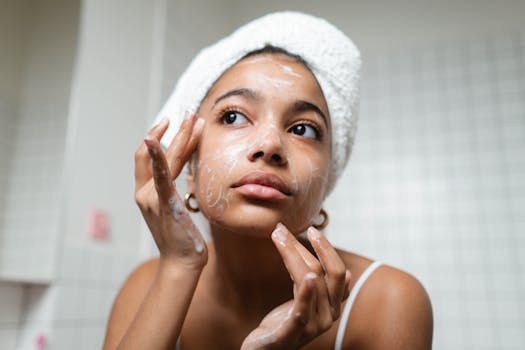
A young woman applies skincare cream in a modern bathroom setting. Photo: Ron Lach / Pexels
Creating an effective eczema friendly skincare routine in Canada involves more than just picking a good moisturizer; it's about a holistic approach from cleansing to targeted treatments. The foundation of any eczema regimen is gentle cleansing. Harsh soaps and hot water can strip the skin, exacerbating dryness. Opt for soap-free, fragrance-free, pH-balanced cleansers. Look for creamy or oil-based cleansers that hydrate while they clean. Apply with lukewarm water and pat the skin dry gently with a soft towel, avoiding any rubbing. The 'soak and seal' method is highly recommended: after a short, lukewarm bath or shower (no more than 5-10 minutes), apply your moisturizer within three minutes to lock in moisture. Moisturizing is the cornerstone of eczema management. For severe dryness or flare-ups, thicker ointments or creams (like petrolatum-based products) are often more effective than lotions. Apply liberally and frequently, ideally immediately after bathing and at least twice a day. During active flare-ups, your dermatologist might recommend topical corticosteroids or calcineurin inhibitors, which should be used as prescribed. For daily maintenance, barrier-repairing creams containing ceramides, hyaluronic acid, or colloidal oatmeal are excellent choices. Sun protection is also crucial. While the sun can sometimes temporarily improve eczema, sunburns can trigger severe flare-ups. Choose mineral-based sunscreens (zinc oxide or titanium dioxide) with an SPF of 30 or higher, as chemical sunscreens can be irritating for sensitive skin. Apply sunscreen as the last step in your morning routine. Consider environmental factors: humidifiers in dry Canadian winters can significantly help maintain skin moisture. Avoid tight clothing made of irritating fabrics like wool; opt for soft, breathable cotton or silk. Laundry detergents should also be fragrance-free and dye-free, and an extra rinse cycle can help remove any residual irritants. Patch testing new products on a small, inconspicuous area of skin for a few days before full application is a crucial step to avoid widespread reactions. Keep a journal of products used and any reactions to help identify triggers. Many Canadian brands and international brands available in Canada are now specifically formulating products for eczema-prone skin, making it easier to find suitable options. Look for certifications from organizations like the Canadian Dermatology Association or the Eczema Society of Canada, which often endorse products deemed suitable for sensitive skin. These endorsements can provide an extra layer of assurance for consumers navigating the vast skincare market. Consistency is key; a sporadic routine will yield sporadic results.

Common Mistakes and Expert Tips for Eczema Relief

A woman with curly hair touches her face, set against a pastel pink background. Photo: SHVETS production / Pexels
Even with the best intentions, common mistakes can inadvertently worsen eczema symptoms. One of the most frequent errors is over-cleansing or using hot water, which strips the skin of its natural oils, leading to increased dryness and irritation. Another mistake is inconsistent moisturizing; relief from eczema requires a diligent and frequent application of emollients, not just when symptoms flare. Using products with irritating ingredients, such as fragrances, dyes, or harsh preservatives, is a common pitfall. Many people also underestimate the impact of environmental triggers, like dry air, certain fabrics, or even stress, which can all contribute to flare-ups. Finally, self-diagnosing and self-treating severe or persistent eczema without professional guidance can delay effective management. Here are some expert tips to optimize your eczema friendly skincare in Canada: * **Embrace 'Free From' Labels:** Always prioritize products labeled 'fragrance-free,' 'dye-free,' 'paraben-free,' and 'sulfate-free.' These labels significantly reduce the risk of irritation for sensitive skin. * **Patch Test Diligently:** Before applying any new product to a large area, test a small amount on a discreet patch of skin (e.g., inner forearm) for several days. This helps identify potential sensitivities before a widespread reaction. * **Moisturize, Moisturize, Moisturize:** Apply your chosen moisturizer liberally and frequently, especially within three minutes after showering or bathing to lock in moisture. For severe dryness, consider 'wet wrap therapy' under medical supervision. * **Lukewarm, Not Hot:** Bathe or shower in lukewarm water for short durations (5-10 minutes) and use a gentle, soap-free cleanser. Hot water can strip essential oils from the skin. * **Humidify Your Environment:** Especially during dry Canadian winters, use a humidifier in your home to add moisture to the air, which can prevent skin from drying out. * **Choose Soft Fabrics:** Opt for loose-fitting clothing made from soft, breathable fabrics like cotton or silk. Avoid wool or synthetic materials that can irritate the skin. * **Manage Stress:** Stress is a known eczema trigger. Incorporate stress-reduction techniques like meditation, yoga, or deep breathing exercises into your daily routine. * **Consult a Dermatologist:** If your eczema is severe, persistent, or significantly impacting your quality of life, seek advice from a dermatologist. They can provide a tailored treatment plan, including prescription medications if necessary. * **Keep a Trigger Journal:** Document potential triggers (foods, products, environmental factors) and how your skin reacts. This can help you identify and avoid personal eczema culprits. * **Don't Scratch:** While incredibly difficult, scratching can worsen eczema and lead to infection. Keep nails short, wear cotton gloves at night if necessary, and use anti-itch creams to manage the urge.

Comparison

FeatureBest Option (Aveeno Eczema Care)Alternative 1 (CeraVe Eczema Relief)Alternative 2 (La Roche-Posay Lipikar)
Key IngredientColloidal OatmealColloidal Oatmeal, CeramidesShea Butter, Niacinamide
TextureCreamy, Medium-thickRich CreamBalm-like
Fragrance-Free
Dermatologist Recommended
Price Point (CAD)Mid-rangeMid-rangeHigher-end
Suitable for Babies
Non-comedogenic

What Readers Say

"Finding truly eczema friendly skincare in Canada felt impossible until I tried the recommended ceramide creams. My skin feels hydrated, and the constant itching has finally subsided. It's been a game-changer for my severe hand eczema."

Sarah J. · Toronto, ON

"The information on avoiding fragrances was so helpful. I switched to a fragrance-free cleanser and moisturizer, and my facial eczema has cleared up significantly. This guide offered practical advice that actually works for Canadian weather."

Mark D. · Vancouver, BC

"After years of struggling, I finally found relief with the 'soak and seal' method and a thick barrier cream. My skin is less red, less itchy, and I can sleep through the night now. This article provided the comprehensive advice I needed for eczema friendly skincare in Canada."

Emily R. · Calgary, AB

"The tips on humidifiers for dry Canadian winters were a revelation. While no single product is a miracle cure, combining a good moisturizer with environmental controls has made a noticeable difference. Still looking for that perfect holy grail, but this is close!"

David L. · Montreal, QC

"My son's infant eczema was so distressing. Following the advice for gentle cleansers and colloidal oatmeal products, specifically the Canadian options, has calmed his skin dramatically. It's such a relief to see him more comfortable."

Jessica M. · Halifax, NS

Frequently Asked Questions

What is the most important factor when choosing eczema friendly skincare in Canada?

The most important factor is to choose products that are fragrance-free, dye-free, and hypoallergenic, specifically formulated for sensitive or eczema-prone skin. Prioritize ingredients that help repair the skin barrier, such as ceramides, colloidal oatmeal, and rich emollients, to lock in moisture and protect against irritants.

Can Canadian weather worsen my eczema?

Yes, Canadian weather, particularly the dry, cold winters, can significantly worsen eczema symptoms. Low humidity strips moisture from the skin, leading to increased dryness and flare-ups. Using humidifiers indoors and consistently applying thick emollients are crucial during these months.

How often should I moisturize if I have eczema?

For eczema-prone skin, it's recommended to moisturize at least twice a day, and ideally more frequently, especially after bathing or washing hands. Apply moisturizer within three minutes of getting out of the shower or bath to 'seal' in the moisture effectively.

Are expensive eczema products necessarily better?

Not necessarily. Many highly effective and dermatologist-recommended eczema friendly skincare products available in Canada are affordably priced. Focus on the ingredient list and formulation rather than the brand name or price tag. Petrolatum-based products, for instance, are often inexpensive yet highly effective.

What's the difference between 'fragrance-free' and 'unscented' products?

'Fragrance-free' means no fragrance ingredients have been added to the product. 'Unscented' means that while it may not have a noticeable scent, it could contain masking fragrances to neutralize natural ingredient odors. For eczema, always choose 'fragrance-free' to minimize irritation risk.

Who should use eczema friendly skincare Canada?

Anyone experiencing symptoms of eczema, atopic dermatitis, or extremely sensitive, dry, and itchy skin should consider using eczema friendly skincare. These products are formulated to be gentle, non-irritating, and to support a compromised skin barrier, benefiting infants, children, and adults alike.

Is it safe to use topical steroids for eczema relief?

Topical steroids are often prescribed by doctors for short-term management of eczema flare-ups due to their anti-inflammatory properties. When used as directed by a healthcare professional, they are generally safe and effective. However, prolonged or improper use can lead to side effects, so always follow your doctor's instructions.

What are emerging trends in eczema friendly skincare in Canada?

Emerging trends include a greater focus on microbiome-friendly skincare, products incorporating prebiotics and probiotics to support the skin's natural flora, and the continued development of advanced ceramide-rich formulations. There's also an increasing emphasis on sustainable and naturally derived ingredients that are still gentle and effective for sensitive skin.

Don't let eczema dictate your comfort and confidence. By understanding your skin's needs and choosing the right eczema friendly skincare in Canada, you can achieve lasting relief and a healthier complexion. Start your journey to soothed, resilient skin today.

Topics: eczema friendly skincare CanadaCanadian eczema productssensitive skin care Canadadermatologist recommended eczema Canadafragrance-free skincare Canada
Leo List
Brampton weed
Adultwork EstrelaBet Vai de Bet R7 Bet Betão Galera Bet Rainbet Bet9ja Shop SportyBet BetKing Sisal Loto Foot Hollywoodbets YesPlay Odibets RushBet Jugabet BetWarrior BetCity MSport betPawa Fortebet