Decoding Canadian Beauty Industry Trends
Canadian beauty industry trends

Decoding Canadian Beauty Industry Trends

Uncover the dynamic forces transforming Canada's beauty landscape, from eco-conscious choices to tech-driven innovations.

Explore Trends Now

Key Takeaways

  • ✓ The Canadian beauty market is projected to reach over CAD 16 billion by 2027, driven by evolving consumer demands.
  • ✓ Sustainability and ethical sourcing are no longer niche; they are mainstream expectations for Canadian consumers.
  • ✓ Inclusivity, including diverse skin tones, hair types, and gender expressions, is a critical driver of product development.
  • ✓ Digital engagement, e-commerce, and social media are pivotal in shaping brand perception and purchasing decisions.

How It Works

1
Identify Core Consumer Values

Understand what truly matters to Canadian beauty shoppers: health, ethics, and personal expression. This forms the foundation of market demand.

2
Analyze Market Data & Reports

Review industry analyses, sales figures, and consumer surveys to pinpoint growth areas and emerging product categories. Data-driven insights are crucial.

3
Observe Social & Cultural Shifts

Monitor broader societal movements, such as diversity initiatives and environmental concerns, as these directly influence beauty trends. Trends are often reflections of cultural shifts.

4
Evaluate Brand Innovation & Response

Assess how Canadian and international brands are adapting their offerings, marketing, and supply chains to meet these evolving demands. Innovation drives the market forward.

The Rise of Sustainable and Clean Beauty in Canada

A top view of eco-friendly hygiene products, including bamboo brushes and cotton buds on a white desk. Photo: alleksana / Pexels
The Canadian beauty landscape is undergoing a profound transformation, largely driven by an increasingly informed and ethically conscious consumer base. Sustainability and 'clean' formulations are no longer buzzwords but fundamental pillars shaping product development, marketing, and purchasing decisions across the nation. This shift reflects a broader societal movement towards environmental responsibility and personal wellness, with Canadian consumers actively seeking products that align with their values. Brands that once focused solely on efficacy are now compelled to demonstrate their commitment to the planet and consumer health through transparent sourcing, eco-friendly packaging, and non-toxic ingredients. This trend is multifaceted, encompassing everything from biodegradable formulas and refillable packaging to carbon-neutral production processes. Consumers are scrutinizing ingredient lists with unprecedented diligence, demanding products free from parabens, phthalates, sulfates, and synthetic fragrances, often opting for natural and organic certifications. The demand for 'waterless' beauty products, designed to minimize water consumption in both production and use, is also gaining traction, particularly in regions where water conservation is a pressing concern. This commitment extends beyond the product itself to the entire supply chain. Canadian consumers are increasingly interested in a brand's corporate social responsibility, including fair labor practices, cruelty-free testing, and a commitment to reducing their environmental footprint. Brands that can authentically communicate these efforts through clear labeling, third-party certifications, and compelling storytelling are winning consumer trust and market share. The regulatory environment in Canada, while not as stringent as the EU in some areas, is also encouraging this shift, with consumers expecting brands to go above and beyond minimum requirements. This has led to a proliferation of Canadian-made clean beauty brands that emphasize local ingredients, sustainable harvesting, and minimal processing, often leveraging Canada's rich natural resources. The 'clean' aspect also ties into a holistic view of health, where consumers understand that what they put on their skin can impact their overall well-being. This has fueled the growth of 'skinimalism' – a trend advocating for a simpler, more effective skincare routine with fewer, but higher-quality, multi-tasking products. The Canadian market is particularly receptive to this approach, valuing efficiency and genuine results over excessive product layering. The convergence of sustainability and clean formulations is redefining beauty standards, pushing brands to innovate not just in product performance, but in their entire ethical and environmental footprint. This is a long-term trend, deeply embedded in Canadian consumer values, and will continue to shape the industry for years to come. For more insights into ethical purchasing, explore our guide on ethical beauty choices. The impact of this movement is visible across all beauty categories, from skincare and makeup to haircare and fragrances, necessitating a comprehensive strategic shift for industry players.

Inclusivity and Diversity: Reflecting Canada's Mosaic

A diverse group of people posing in stylish all-white outfits against a minimalist background. Photo: cottonbro studio / Pexels
Canada's strength lies in its multicultural fabric, and the beauty industry is finally catching up to reflect this rich diversity. The demand for inclusive beauty products, marketing, and representation is not just a trend; it's a fundamental shift driven by a consumer base that expects to see themselves accurately and respectfully portrayed. This means going beyond merely offering a wider range of foundation shades. True inclusivity encompasses products designed for various skin types and tones, hair textures, and even gender identities. For too long, the beauty industry catered primarily to a narrow demographic, leaving a significant portion of the population feeling overlooked and unrepresented. Canadian consumers, particularly younger generations, are actively seeking out brands that champion diversity, not just as a marketing ploy, but as an integral part of their brand ethos. This extends to advertising campaigns, where diverse models and authentic storytelling are paramount. Brands are being challenged to feature individuals of different ages, body types, abilities, and cultural backgrounds, moving away from idealized, homogenous beauty standards. The 'one-size-fits-all' approach is rapidly becoming obsolete. In skincare, this translates to products formulated to address concerns prevalent in diverse skin types, such as hyperpigmentation or specific sensitivities. In haircare, it means offering a comprehensive range of products for various curl patterns, textures, and protective styles, acknowledging the unique needs of different hair types within Canada's diverse population. Makeup lines are expanding their shade ranges to cater to a broader spectrum of complexions, ensuring that everyone can find their perfect match. Beyond product development, the conversation around inclusivity is also shaping the retail experience. Beauty retailers in Canada are adapting by curating more diverse product assortments, training staff to be knowledgeable about a wider array of needs, and creating welcoming environments for all customers. Digital platforms play a crucial role here, with brands leveraging social media to showcase diverse users, engage in authentic conversations, and solicit feedback from underrepresented communities. This feedback loop is vital for continuous improvement and genuine connection. Moreover, the rise of gender-neutral beauty is another facet of this inclusivity trend. Products and brands are increasingly blurring traditional gender lines, offering formulations and packaging that appeal to all individuals, regardless of how they identify. This reflects a more fluid understanding of beauty and self-expression, particularly among Gen Z. Brands that authentically embrace and embed diversity into their core values, from product development to marketing and corporate culture, are the ones that will resonate most deeply with the modern Canadian consumer. This shift is not merely about market expansion; it's about fostering a more equitable and representative beauty landscape that truly reflects the country's population. It's a powerful and lasting trend, demonstrating that beauty is truly for everyone, and that representation matters deeply.

The Digital Revolution and Personalized Beauty Experiences
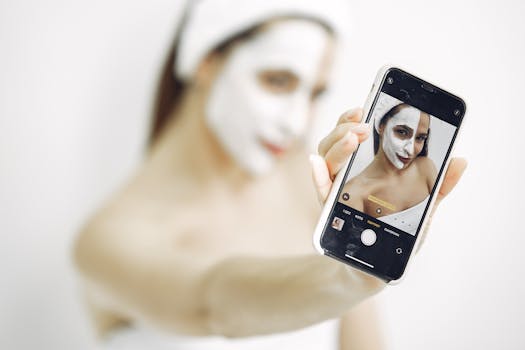
A woman captures a selfie using a smartphone while wearing a facial mask indoors. Photo: Gustavo Fring / Pexels
The digital landscape has fundamentally reshaped how Canadian consumers discover, engage with, and purchase beauty products, ushering in an era of unprecedented personalization. E-commerce, social media, and advanced digital tools are not just supplementary channels; they are central to the modern beauty journey. The convenience of online shopping has accelerated, with consumers increasingly relying on brand websites, online retailers, and direct-to-consumer (DTC) models for their beauty needs. This shift has necessitated robust online presence, seamless user experiences, and efficient logistics for brands operating in Canada. Social media platforms, particularly Instagram, TikTok, and YouTube, have become powerful discovery engines and virtual storefronts. Influencer marketing continues to thrive, with Canadian micro-influencers and content creators playing a pivotal role in shaping purchasing decisions by offering authentic reviews and tutorials. Brands are investing heavily in engaging content, live shopping events, and interactive experiences to connect with consumers in a more dynamic way. User-generated content (UGC) is also highly influential, with real people sharing their experiences and results, fostering a sense of community and trust around products. Beyond discovery and purchase, technology is enabling a new level of personalization. AI and machine learning are being deployed to offer customized product recommendations based on individual skin concerns, preferences, and even environmental factors. Virtual try-on tools, using augmented reality (AR), allow consumers to experiment with makeup shades and styles from the comfort of their homes, reducing guesswork and enhancing the online shopping experience. Skincare diagnostic tools, often powered by AI, analyze selfies or answer questionnaires to recommend tailored routines and products, making professional-level advice more accessible. The data collected from these digital interactions is invaluable for brands, allowing them to understand consumer behaviour, refine product offerings, and personalize marketing efforts more effectively. Subscription boxes, offering curated selections of beauty products based on individual profiles, also continue to be popular, providing a personalized discovery experience. The Canadian market, with its high internet penetration and tech-savvy population, is particularly receptive to these digital innovations. Brands that effectively integrate technology into their consumer journey, offering convenience, engagement, and personalization, are gaining a significant competitive edge. This digital transformation also extends to brand-consumer communication. Chatbots provide instant customer support, while personalized email campaigns deliver relevant product news and offers. The lines between online and offline retail are blurring, with many brands adopting an 'omnichannel' approach, where digital interactions seamlessly complement in-store experiences. For instance, customers might research products online, use a virtual try-on tool, and then visit a physical store for a final consultation or purchase. The digital revolution is not just about technology; it's about creating a more connected, personalized, and efficient beauty experience for the Canadian consumer. Understanding this evolving landscape is crucial for any brand looking to thrive in the Canadian beauty market. Discover more about the impact of technology in our article on beauty tech innovations. This constant evolution demands agility and a forward-thinking approach from all industry players.

Emerging Trends and Strategic Considerations for Canadian Brands

Side view of professional African American beautician spreading foundation on cheeks on blurred background Photo: George Milton / Pexels
Beyond the foundational shifts in sustainability, inclusivity, and digitalization, several other emerging trends are influencing the Canadian beauty industry. Understanding these nuances and strategically responding to them is crucial for brands aiming for sustained growth and relevance. One significant area is the burgeoning demand for 'wellness beauty,' which blurs the lines between beauty and overall health. This includes products infused with adaptogens, CBD, probiotics, and ingredients known for their stress-reducing or mood-enhancing properties. Canadian consumers are increasingly viewing beauty as an extension of their holistic well-being, seeking products that not only enhance their appearance but also contribute to their mental and physical health. This trend opens up new categories and product innovations, encouraging brands to adopt a more integrated approach to beauty and wellness. Another notable trend is the growing appreciation for 'localism' and 'made in Canada' products. Consumers are showing increased support for Canadian brands, valuing local ingredients, ethical manufacturing practices within the country, and the reduced environmental footprint associated with shorter supply chains. This offers a unique advantage for domestic brands and creates opportunities for international brands to localize their offerings. Transparency, already a key driver, is expanding to include not just ingredients, but also pricing, sourcing, and even packaging decisions. Consumers want to know the 'why' behind every choice a brand makes. This demands a high level of openness and authenticity, which can build deeper trust and loyalty. Furthermore, the 'pro-aging' movement is gaining momentum, challenging traditional anti-aging narratives. Instead of focusing on fighting the signs of aging, brands are shifting towards promoting healthy, radiant skin at every stage of life. This involves celebrating maturity and offering products that support skin health rather than promising unrealistic youth. This more positive and empowering approach resonates strongly with an aging population that values self-acceptance. **Key Strategic Considerations for Brands:** * **Embrace Hyper-Personalization:** Leverage AI and data to offer truly individualized product recommendations and experiences. * **Prioritize Transparency:** Be open about sourcing, ingredients, and ethical practices. Consumers demand to know more. * **Invest in Digital Engagement:** Create compelling content, utilize social media, and explore new digital sales channels. * **Champion Local Sourcing:** Highlight 'made in Canada' aspects and local ingredients to appeal to national pride and sustainability concerns. * **Innovate in Packaging:** Focus on refillable, recyclable, and biodegradable options to meet eco-conscious demands. * **Expand Inclusivity:** Continuously review and expand product ranges and marketing to genuinely represent all Canadians. * **Integrate Wellness:** Explore how beauty products can contribute to holistic well-being, from stress reduction to skin health. * **Adapt to Regulatory Changes:** Stay informed about evolving Canadian beauty regulations and proactively adapt formulations and claims. By strategically navigating these emerging trends and considerations, brands can position themselves for success in Canada's dynamic and evolving beauty market.

Comparison

FeatureTraditional BeautyClean BeautySustainable BeautyInclusive Beauty
Ingredient FocusPerformance-driven (any source)Natural/non-toxic, fewer syntheticsEco-friendly, ethically sourcedAddresses diverse skin/hair needs
Packaging GoalAesthetics, protectionMinimal, often recyclableRecyclable, refillable, biodegradableFunctional, accessible design
Marketing StrategyIdealized, aspirationalTransparency, health benefitsEnvironmental impact, ethical sourcingRepresentation, authenticity
Consumer DriverAppearance, efficacyHealth, wellness, safetyEnvironmental concern, ethicsIdentity, representation, belonging
Key ChallengePerceived outdatednessGreenwashing, costSupply chain complexityAuthenticity, tokenism

What Readers Say

"As a Canadian consumer, it's so refreshing to see how much the beauty industry here is evolving. I'm especially impressed with the rise of local, sustainable brands – it makes me feel good about my purchases and supports Canadian businesses."

Sarah L. · Toronto, ON

"The focus on inclusivity in Canadian beauty industry trends is fantastic. Finally, brands are offering products that cater to a wider range of skin tones and hair types, reflecting the true diversity of our country. It's about time!"

Marc P. · Vancouver, BC

"I've completely changed my beauty routine based on these trends. Switching to refillable products and supporting brands with clear ethical practices has significantly reduced my environmental footprint, making my beauty routine feel more aligned with my values."

Emily R. · Montreal, QC

"While I appreciate the move towards clean beauty, I sometimes find the price point a bit higher. However, the quality and peace of mind knowing what's in my products often makes it worth the investment. It's a balance."

David K. · Calgary, AB

"The digital innovations mentioned are spot on! I love using virtual try-on tools before buying makeup online. It's made my online beauty shopping so much more confident and enjoyable. Canadian brands are doing a great job adapting."

Jessica M. · Halifax, NS

Frequently Asked Questions

What are the biggest Canadian beauty industry trends right now?

The biggest trends currently dominating the Canadian beauty industry include a strong emphasis on sustainability and clean beauty formulations, a profound push for inclusivity and diversity in product offerings and marketing, and a rapid adoption of digital technologies for personalized experiences and e-commerce. Consumers are seeking ethical, effective, and representative products.

Is 'clean beauty' just a fad in Canada?

No, 'clean beauty' is far from a fad in Canada; it's a deeply embedded consumer value. Canadian consumers are increasingly educated about ingredients and their impact on health and the environment, making transparency and non-toxic formulations a fundamental expectation rather than a passing trend. Brands that ignore this do so at their peril.

How can I find Canadian-made sustainable beauty products?

To find Canadian-made sustainable beauty products, start by looking for 'Made in Canada' labels, check brand websites for their sustainability commitments and ingredient sourcing, and explore online retailers or specialty stores that curate local and eco-friendly brands. Many Canadian brands actively promote their local roots and ethical practices.

Are Canadian beauty products more expensive due to these trends?

While some sustainable or clean beauty products may have a higher upfront cost due to premium ingredients, ethical sourcing, or specialized manufacturing, the market is also seeing more affordable options emerge. Many consumers view these products as an investment in their health and the environment, often seeking multi-tasking products that offer better value in the long run.

How does inclusivity in beauty impact product development in Canada?

Inclusivity profoundly impacts product development by driving brands to create a wider range of products that cater to diverse skin tones, hair textures, and unique needs. This means expanding foundation shade ranges, developing specialized haircare for various curl patterns, and formulating skincare for different skin concerns prevalent across Canada's multicultural population, ensuring everyone feels seen and served.

Who benefits most from these Canadian beauty industry trends?

Ultimately, Canadian consumers benefit most from these trends, as they lead to a wider array of safer, more effective, ethically produced, and genuinely representative beauty products. Brands that adapt to these trends also benefit by building stronger consumer trust, loyalty, and market share in a highly competitive landscape.

Are there any risks associated with 'greenwashing' in the Canadian beauty market?

Yes, 'greenwashing' (making misleading claims about environmental benefits) is a significant risk in the Canadian beauty market. Consumers are becoming adept at identifying dishonest claims, and brands caught greenwashing can suffer severe reputational damage. Transparency and genuine commitment to sustainability are crucial to avoid this pitfall.

What's the future for Canadian beauty industry trends?

The future of Canadian beauty industry trends will likely see an even deeper integration of technology for hyper-personalization, continued innovation in sustainable and circular economy practices, a stronger focus on 'wellness beauty' that blurs lines with health, and an ongoing commitment to radical transparency and authentic inclusivity across all aspects of the industry.

The Canadian beauty industry is a vibrant, evolving landscape, driven by conscious consumers and innovative brands. Stay informed and make choices that align with your values and the future of beauty. Explore the latest Canadian beauty industry trends and discover products that truly resonate with you.

Topics: Canadian beauty industry trendssustainable beauty Canadainclusive beauty Canadaclean beauty Canadabeauty tech Canada
Leo List
Brampton weed
Adultwork