
Unveiling the Best Sunscreen for Face Canada Needs
Protect your skin from harsh Canadian sun with our top-rated facial sunscreens, tailored for every skin type.
Find Your Perfect SPFKey Takeaways
- ✓ UVA and UVB protection are crucial for facial sunscreens.
- ✓ Mineral sunscreens are ideal for sensitive skin due to zinc oxide and titanium dioxide.
- ✓ Chemical sunscreens offer lightweight formulas and no white cast, suitable for daily wear.
- ✓ SPF 30 is the minimum recommended for daily use, but SPF 50+ provides enhanced protection.
How It Works
Understand if your skin is oily, dry, sensitive, or combination. This dictates the best sunscreen formulation for optimal comfort and efficacy.
Consider if you need water-resistant options for sports or a sheer finish for daily makeup wear. Your daily activities influence product choice.
Mineral sunscreens sit on top of the skin, reflecting UV rays. Chemical sunscreens absorb into the skin and convert UV rays into heat, offering different textures and finishes.
Ensure your chosen sunscreen protects against both UVA and UVB rays. Opt for at least SPF 30, with SPF 50+ recommended for extended sun exposure.
Understanding Sun Protection in the Canadian Climate
 Photo: Nunzio Guerrera / Pexels
Mineral vs. Chemical Sunscreens: Which is Right for Your Face?
 Photo: Armin Rimoldi / Pexels
Top Picks: The Best Sunscreen for Face Canada Offers
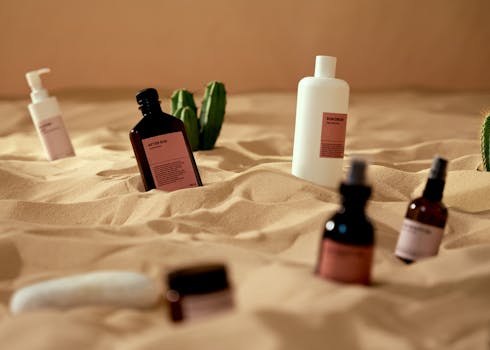 Photo: cottonbro studio / Pexels
Application Tips & Common Sunscreen Mistakes to Avoid
 Photo: Kindel Media / Pexels
Comparison
| Feature | La Roche-Posay Anthelios Mineral Tinted SPF 50 | Neutrogena Ultra Sheer Dry-Touch SPF 50+ | Ombrelle Mineral Sunscreen SPF 50+ |
|---|---|---|---|
| Type | Mineral (Zinc Oxide, Titanium Dioxide) | Chemical (Avobenzone, Homosalate, Octisalate, Octocrylene) | Mineral (Zinc Oxide, Titanium Dioxide) |
| Finish | Tinted, Matte | Dry-Touch, Matte | Natural, can have slight white cast |
| Skin Type | Sensitive, Acne-Prone, All | Oily, Combination, Normal | Sensitive, All |
| White Cast | Minimizes with tint | ✗ | Can have slight initially |
| Water Resistance | ✓ (80 min) | ✓ (80 min) | ✓ (80 min) |
| Key Benefit | Tinted, excellent for sensitive skin | Invisible, non-greasy, high protection | Gentle, high mineral protection |
What Readers Say
"I've struggled to find a sunscreen that doesn't break me out, but the La Roche-Posay tinted mineral SPF has been a game-changer. It gives me light coverage and incredible protection, even in the harsh Canadian winter sun. Definitely the best sunscreen for face in Canada for my sensitive skin!"
Sarah L. · Toronto, ON"As someone who spends a lot of time outdoors, I need robust protection. The Neutrogena Ultra Sheer is fantastic; it absorbs so quickly and never feels greasy, even after a hike. It truly lives up to its 'dry-touch' name, making it my go-to facial sunscreen."
Marc T. · Vancouver, BC"I was skeptical about mineral sunscreens due to the white cast, but the Ombrelle Mineral SPF 50+ blends surprisingly well on my fair skin. My dermatologist recommended it, and I've noticed a significant reduction in sunspots since I started using it daily. My skin looks healthier!"
Emily R. · Calgary, AB"The Vichy Capital Soleil is incredibly lightweight and perfect under makeup. I love how it feels like nothing on my skin. My only minor critique is that I wish it came in a slightly larger tube, as I go through it quickly with daily use."
Jessica M. · Montreal, QC"Working near the ocean, I need water-resistant and reliable sun protection. EltaMD UV Clear is fantastic. It doesn't sting my eyes when I sweat, and my usually acne-prone skin has actually improved since I started using it. Worth the slightly higher price point."
David K. · Halifax, NSFrequently Asked Questions
What SPF level is truly necessary for daily use in Canada?
For daily, incidental sun exposure in Canada, an SPF of 30 is generally sufficient, blocking about 97% of UVB rays. However, if you spend extended periods outdoors, have very fair skin, or are at higher altitudes, an SPF of 50+ is highly recommended for enhanced protection against UV radiation.
Will sunscreen make my face feel greasy or clog my pores?
Not if you choose the right formula! Many facial sunscreens are specifically designed to be non-comedogenic (won't clog pores) and oil-free. Look for lightweight, 'dry-touch,' or 'fluid' formulations, especially if you have oily or acne-prone skin. Mineral sunscreens with zinc oxide can also be excellent for minimizing oil.
How often should I reapply sunscreen on my face?
You should reapply sunscreen to your face at least every two hours when exposed to direct sunlight. Reapply more frequently, such as every 40 to 80 minutes, after swimming, sweating heavily, or towel drying, as these activities can diminish its effectiveness.
Are Canadian sunscreens more expensive than those in the US?
Pricing can vary due to factors like import duties, exchange rates, and different distribution channels. While some specific brands might have a slightly higher retail price in Canada, many popular sunscreens from global brands are competitively priced. Always compare unit prices and look for sales.
Can I use body sunscreen on my face?
While technically possible, it's generally not recommended. Body sunscreens are often thicker, greasier, and can contain fragrances or ingredients that might irritate delicate facial skin or clog pores. Facial sunscreens are formulated specifically for facial skin, offering better texture, absorption, and often additional skincare benefits.
Who should prioritize mineral sunscreens for their face?
Individuals with very sensitive skin, acne-prone skin, rosacea, eczema, or those who prefer natural ingredients should prioritize mineral sunscreens. Zinc oxide and titanium dioxide are typically less irritating and provide broad-spectrum protection without being absorbed into the skin.
Is it safe to use sunscreen with chemical filters?
Yes, Health Canada and other global regulatory bodies consider chemical sunscreens safe and effective for topical use. While some concerns about absorption exist, the consensus among dermatologists is that the benefits of sun protection far outweigh any potential risks from approved chemical filters.
What's the next big trend in facial sunscreen technology?
The trend is towards 'smart' sunscreens that offer more than just UV protection. We're seeing more formulations with added antioxidants to combat free radical damage, anti-pollution ingredients, and even DNA repair enzymes. Also, increasingly elegant, non-whitening mineral and hybrid formulas are becoming more prevalent, along with sustainable packaging.
Finding the best sunscreen for face in Canada is a non-negotiable step for long-term skin health and beauty. Take the time to understand your skin's unique needs and explore the diverse range of high-quality products available. Invest in your skin today for a healthier, more radiant tomorrow, protected against the Canadian sun all year round.