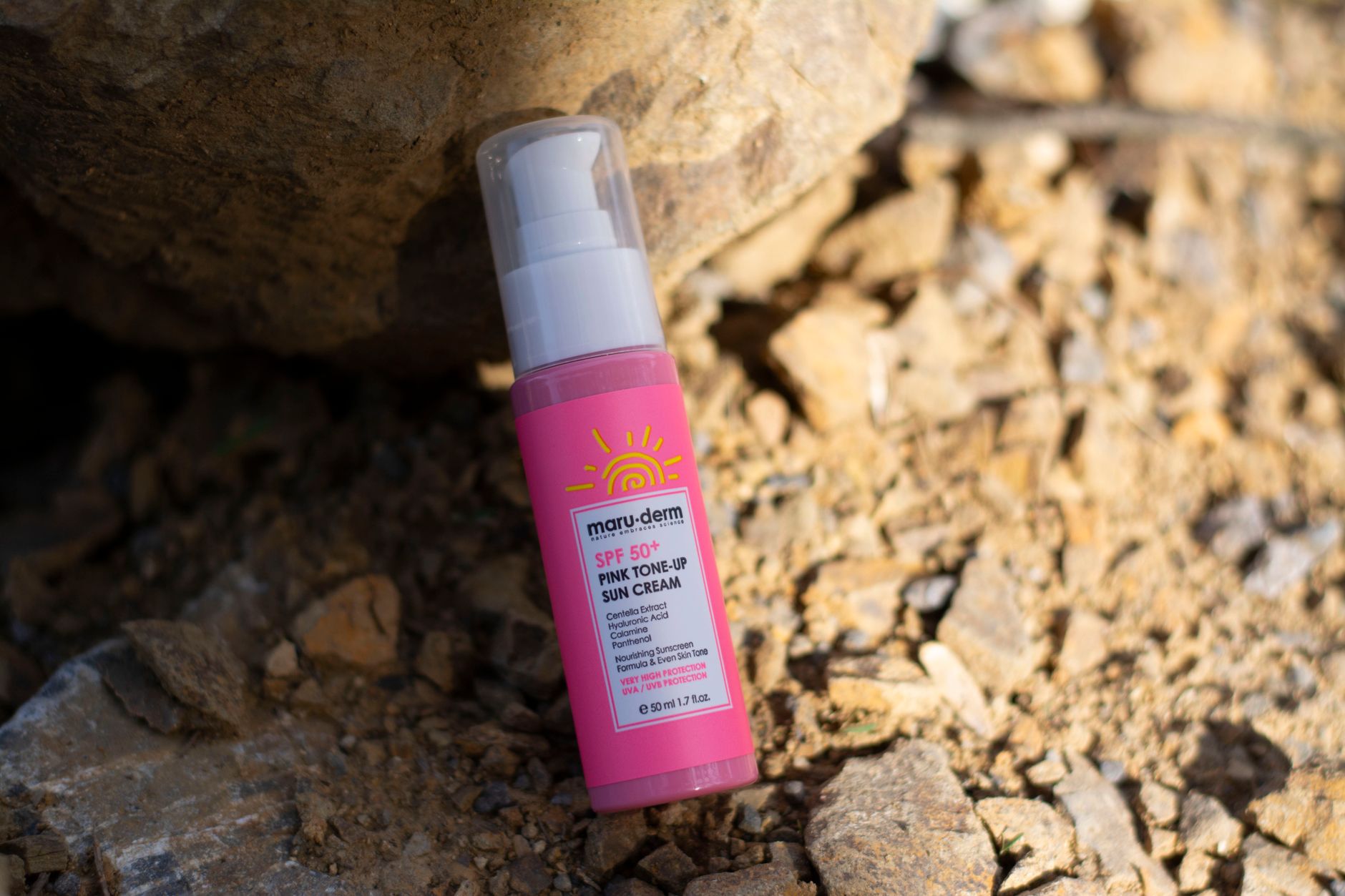
Unveiling the best sunscreen for face Canada: Your Ultimate Guide
June 22, 2026 15 min read 3,066 words
Achieve superior sun protection for your face with our meticulously curated selection of top Canadian sunscreens.
Find Your Perfect SPF
Why Facial Sunscreen is Non-Negotiable for Canadian Skin
 Photo: Vika Glitter / Pexels
Living in Canada, we often underestimate the power of the sun, especially during colder months or overcast days. However, UV radiation, both UVA and UVB, is present year-round and can penetrate clouds and windows, causing significant damage to our skin. The face, being constantly exposed, is particularly vulnerable. Daily application of a high-quality facial sunscreen is not just about preventing sunburn; it's a critical step in a comprehensive skincare routine that protects against premature aging, hyperpigmentation, and most importantly, reduces the risk of skin cancer. UVA rays are primarily responsible for photoaging, leading to fine lines, wrinkles, and sunspots, while UVB rays are the main cause of sunburn and contribute to skin cancer. A 'broad-spectrum' sunscreen is essential as it defends against both types of harmful rays.
Canadian climate can be harsh, from the intense summer sun reflecting off lakes to the reflective snow in winter. This means your facial sunscreen needs to be robust and reliable. Furthermore, many Canadians spend considerable time outdoors, whether hiking, skiing, or simply commuting, making consistent sun protection vital. The quest for the best sunscreen for face Canada involves understanding these environmental factors and seeking formulations that stand up to them. Beyond protection, modern facial sunscreens are formulated with skincare benefits in mind. Many now include antioxidants like Vitamin C or E, hyaluronic acid for hydration, or niacinamide to help improve skin barrier function and reduce inflammation. This multi-tasking approach means your SPF isn't just a protective layer but an active part of your daily skincare regimen, contributing to overall skin health and radiance. For those with specific skin concerns like acne or rosacea, finding a non-comedogenic and gentle formula is paramount to avoid exacerbating issues. The Canadian market offers a diverse range of options, from lightweight fluids to tinted creams, catering to every preference and skin need. Understanding the nuances between physical (mineral) and chemical filters is also key to making an informed choice, as each type offers distinct advantages and feel on the skin. We'll delve deeper into these differences to help you navigate the options available. Regular use of sunscreen is the single most effective anti-aging strategy available, surpassing even the most expensive serums and treatments in its preventative power. It's an investment in your skin's long-term health and appearance. Explore more about general
beauty tips to complement your sun protection efforts.
The importance of daily facial sunscreen goes beyond immediate protection. Cumulative sun exposure, even without obvious sunburns, contributes significantly to long-term skin damage. This includes the breakdown of collagen and elastin, leading to a loss of firmness and elasticity. For Canadians, this means safeguarding against the varied conditions our diverse geography presents, from coastal humidity to dry inland air. Your choice of facial sunscreen should ideally be water-resistant if you're active or live in a humid climate, ensuring its efficacy isn't diminished by sweat or moisture. Furthermore, the aesthetic impact of sun damage, such as uneven skin tone and texture, can be challenging to reverse. By consistently applying the best sunscreen for face Canada, you're not just preventing future damage; you're actively preserving your skin's youthful appearance and health.
Decoding Sunscreen Types: Mineral vs. Chemical Filters for Your Face
 Photo: Mikhail Nilov / Pexels
When searching for the best sunscreen for face Canada, you'll primarily encounter two main categories: mineral (physical) and chemical sunscreens. Each type works differently to protect your skin and comes with its own set of advantages and considerations. Understanding these distinctions is crucial for selecting a product that not only offers effective protection but also feels comfortable and compatible with your skin type and lifestyle.
**Mineral Sunscreens (Physical Blockers):** These formulations use naturally occurring minerals, primarily zinc oxide and titanium dioxide, as their active ingredients. They work by creating a physical barrier on the skin's surface that reflects and scatters UV radiation away from the skin, much like a mirror.
* **Pros:** Generally considered gentler and less irritating, making them an excellent choice for sensitive skin, acne-prone skin, and children. They offer broad-spectrum protection immediately upon application (no wait time needed). Zinc oxide, in particular, is known for its anti-inflammatory properties, which can be beneficial for conditions like rosacea. Modern mineral sunscreens have come a long way from the thick, white pastes of the past; many now come in micronized or tinted formulas that blend seamlessly without leaving a noticeable white cast.
* **Cons:** Can sometimes feel thicker on the skin and, despite advancements, some formulations may still leave a slight white residue, especially on darker skin tones. They may also be slightly less water-resistant than some chemical counterparts, requiring more frequent reapplication after sweating or swimming.
**Chemical Sunscreens (Organic Filters):** These sunscreens contain organic compounds such as oxybenzone, avobenzone, octinoxate, and octisalate. Instead of blocking rays, they work by absorbing UV radiation as it penetrates the skin, converting it into heat, and then releasing that heat from the skin.
* **Pros:** Typically lighter in texture, absorb easily into the skin, and don't leave a white cast, making them a popular choice for daily wear and under makeup. Many are formulated to be very water-resistant, making them ideal for sports and outdoor activities. They often come in elegant, cosmetically appealing formulas.
* **Cons:** Some individuals with very sensitive skin might experience irritation or allergic reactions to certain chemical filters. They require about 15-20 minutes after application to become fully effective as the chemicals need time to be absorbed by the skin. There have also been ongoing discussions and research regarding the potential absorption of some chemical filters into the bloodstream, though regulatory bodies like Health Canada continue to affirm their safety for use.
When making your choice, consider your skin's sensitivities, your daily routine, and your aesthetic preferences. For instance, if you have very reactive skin, a mineral sunscreen might be your best bet. If you prefer a completely invisible finish and plan on being active, a lightweight chemical sunscreen could be more suitable. Many brands now also offer hybrid sunscreens that combine both mineral and chemical filters, aiming to leverage the benefits of each while minimizing their drawbacks. The best sunscreen for face Canada ultimately comes down to personal preference and how well a product integrates into your daily life, ensuring consistent and effective protection. Remember that regardless of the type, broad-spectrum protection and an SPF of 30 or higher are non-negotiable for optimal facial sun protection.
Top Picks: The Best Sunscreen for Face Canada for Every Skin Concern
 Photo: www.kaboompics.com / Pexels
Navigating the vast selection of facial sunscreens in Canada can be overwhelming, but by categorizing options based on common skin concerns, we can pinpoint the best formulations for your specific needs. Here, we present top recommendations tailored for various skin types and preferences, ensuring you find your perfect match for year-round protection.
**For Sensitive & Reactive Skin:** If your skin tends to react to many products, mineral sunscreens are often your safest bet. Look for formulations with zinc oxide and titanium dioxide as their primary active ingredients.
* **EltaMD UV Clear Broad-Spectrum SPF 46:** A perennial favourite among dermatologists, this oil-free, mineral-based (zinc oxide) formula is excellent for sensitive and acne-prone skin. It contains niacinamide to help calm and protect the skin barrier. It’s lightweight, non-comedogenic, and leaves no white cast.
* **La Roche-Posay Anthelios Mineral Tinted Sunscreen SPF 50:** This 100% mineral sunscreen offers high protection with a subtle tint, perfect for evening out skin tone without irritation. It's fragrance-free and tested on sensitive skin.
**For Oily & Acne-Prone Skin:** The key here is non-comedogenic, oil-free, and lightweight formulas that won't clog pores or exacerbate breakouts.
* **Paula's Choice RESIST Youth-Extending Daily Hydrating Fluid SPF 50:** This ultra-light, fluid texture is a dream for oily skin. It offers broad-spectrum protection, antioxidants, and a matte finish without feeling heavy.
* **Vichy Capital Soleil Mattifying Daily Face Sunscreen SPF 60:** Specifically designed for oily and combination skin, this sunscreen provides high SPF with a dry-touch finish, helping to control shine throughout the day.
**For Dry & Dehydrated Skin:** These sunscreens should offer robust protection while also providing significant hydration to keep skin comfortable and supple.
* **CeraVe Hydrating Mineral Sunscreen SPF 50 Face Lotion:** Developed with dermatologists, this mineral sunscreen not only protects but also contains ceramides and hyaluronic acid to restore the skin's natural barrier and lock in moisture.
* **Neutrogena Hydro Boost Water Gel Lotion SPF 50:** A chemical sunscreen that feels incredibly lightweight and provides a burst of hydration with hyaluronic acid. It absorbs quickly and is perfect for layering under makeup.
**For Anti-Aging & Mature Skin:** Look for sunscreens that combine broad-spectrum protection with additional anti-aging ingredients like antioxidants.
* **SkinCeuticals Physical Fusion UV Defense SPF 50:** A tinted, mineral sunscreen that offers high protection and a sheer, universal tint. It's packed with antioxidants to combat free radical damage and has a lightweight, water-resistant formula.
* **ZO Skin Health Smart Tone Broad-Spectrum SPF 50:** This advanced, non-comedogenic formula provides broad-spectrum protection with a blend of natural melanin, titanium dioxide, and zinc oxide. Its 'Smart Tone' technology provides a customizable, natural glow.
**For Everyday Wear & Under Makeup:** These options should be lightweight, non-pilling, and create a smooth canvas for makeup application.
* **Supergoop! Unseen Sunscreen SPF 40:** This clear, gel-like chemical sunscreen acts as an excellent primer, gripping makeup and leaving a velvety-smooth finish without any white cast.
* **Biore UV Aqua Rich Watery Essence SPF 50+ PA++++:** A cult favourite from Japan, this chemical sunscreen is incredibly lightweight, absorbs instantly, and feels like nothing on the skin, making it perfect for daily use and under makeup. Its high PA++++ rating indicates superior UVA protection.
When choosing the best sunscreen for face Canada, always consider if the product is 'broad-spectrum' and has an SPF of at least 30, with 50 or 60 being even better for prolonged exposure. Remember that the best sunscreen is the one you will use consistently every single day. For more comprehensive
skincare routines, ensure your chosen SPF integrates seamlessly.
Essential Tips for Maximizing Your Facial Sun Protection
 Photo: Tara Winstead / Pexels
Choosing the best sunscreen for face Canada is only half the battle; proper application and consistent habits are crucial for maximizing its protective benefits. Even the most effective SPF won't work if not used correctly. Here are essential tips to ensure your face remains shielded from harmful UV rays:
* **Apply Generously and Evenly:** The 'two-finger rule' is a good guideline: squeeze a line of sunscreen onto your index and middle finger, from the base to the tip. This amount is generally sufficient for your face and neck. Don't skimp, as using too little significantly reduces the stated SPF. Apply it as the last step in your skincare routine, before makeup.
* **Don't Forget Often-Missed Areas:** Pay special attention to your ears, hairline, neck, and décolletage. These areas are frequently exposed and often neglected. The tops of your eyelids and lips also need protection; consider using an SPF-infused lip balm.
* **Reapply Regularly:** Sunscreen isn't a one-and-done application. Reapply at least every two hours, or more frequently if you're sweating, swimming, or towel-drying your face. Even 'long-lasting' or 'water-resistant' formulas lose efficacy over time and with activity.
* **Layer for Added Protection:** While sunscreen is paramount, it's not your only defence. Combine it with other sun-smart habits. Wear a wide-brimmed hat, sunglasses, and seek shade during peak sun hours (10 AM to 4 PM). No sunscreen offers 100% protection, so layering provides an extra shield.
* **Consider SPF in Makeup (But Don't Rely Solely On It):** Many foundations and BB creams now contain SPF. While this offers some protection, it's rarely enough on its own. You'd need to apply a very thick layer of makeup to achieve the stated SPF, which is impractical. Use SPF makeup as a bonus, not a replacement for your dedicated facial sunscreen.
* **Check Expiration Dates:** Sunscreen ingredients can degrade over time, making them less effective. Always check the expiration date on your product. If it doesn't have one, assume it expires three years after purchase or if its consistency, colour, or smell changes.
* **Store Properly:** Keep your sunscreen in a cool, dry place. Extreme heat (like leaving it in a hot car) can destabilize its active ingredients, reducing its effectiveness.
* **Be Mindful of Indoor Exposure:** UVA rays can penetrate windows, so even if you're working indoors near a window, your skin is still vulnerable. Make daily facial sunscreen a habit, regardless of whether you plan to be outdoors.
By incorporating these practices into your daily routine, you'll ensure that the best sunscreen for face Canada you've chosen works to its fullest potential, providing robust protection against the sun's damaging effects and preserving your skin's health and youthful appearance for years to come. Consistency is key!