Decoding Beauty Product Expiry Dates Canada
beauty product expiry dates Canada

Decoding Beauty Product Expiry Dates Canada

Master the art of identifying and understanding cosmetic expiry dates to protect your skin and maximize product efficacy.

Reveal Your Products' True Age

Key Takeaways

  • ✓ Canadian regulations don't mandate expiry dates for most cosmetics.
  • ✓ The PAO (Period After Opening) symbol is crucial for product safety.
  • ✓ Batch codes can help determine manufacturing dates, but require external checkers.
  • ✓ Expired products can cause irritation, breakouts, and infections.
  • ✓ Storage conditions significantly impact a product's shelf life.

How It Works

1
Locate the PAO Symbol

Look for a small open jar icon with a number followed by 'M' (e.g., 6M, 12M). This indicates how many months the product is safe to use after opening.

2
Check for Manufacturing Dates

If no PAO, or for unopened products, seek out a batch code. This alphanumeric code, often stamped, can be entered into online calculators to estimate the production date.

3
Observe Product Changes

Pay attention to alterations in scent, texture, colour, or separation. These are clear indicators that a product has likely expired, regardless of other markings.

4
Practice Smart Storage

Store products in cool, dry places away from direct sunlight and humidity. Proper storage can help preserve product integrity and extend its usable life.

Understanding Canadian Cosmetic Regulations and Shelf Life

Close-up of a red lipstick kiss imprint on paper with copy space, symbolizing romance and affection. Photo: Umay Karataş / Pexels
Navigating the world of beauty product expiry dates in Canada can feel like deciphering a secret code. Unlike food and certain medications, Canadian regulations do not explicitly mandate that cosmetic products carry a 'best before' or 'expiry' date on their packaging. This often leaves consumers feeling confused and uncertain about when to toss their beloved serums, foundations, or mascaras. However, this lack of a direct expiry date doesn't mean your beauty products last forever. Health Canada, through the Food and Drugs Act and Cosmetic Regulations, ensures the safety of cosmetic products on the market, but the onus often falls on the consumer to understand the subtle clues about a product's longevity. The primary indicator you'll find on most cosmetic packaging is the Period After Opening (PAO) symbol. This universal symbol, an open jar with a number followed by the letter 'M' (e.g., '6M', '12M', '24M'), signifies the recommended number of months a product can be safely used after it has been opened for the first time. For instance, '12M' means you should discard the product 12 months after opening it. This is crucial because exposure to air, bacteria from fingers, and environmental contaminants can significantly degrade a product's formulation once its seal is broken. The PAO symbol is a direct guide to when a product's efficacy and safety might start to diminish, making it a cornerstone of understanding beauty product expiry dates Canada. Beyond the PAO, manufacturers may also include a 'manufacturing date' or 'batch code'. These codes are not always easy to read and often require an external online checker to translate them into a production date. While not an expiry date, knowing the manufacturing date can give you an idea of how long a product has been sitting on a shelf, which is particularly relevant for products you haven't opened yet. Generally, unopened cosmetics have a longer shelf life, often ranging from 1 to 3 years, depending on the formulation and packaging. Products with active ingredients, like Vitamin C or retinoids, tend to degrade faster than those without. It's important to remember that these guidelines are general. The stability of a product is influenced by its ingredients, preservation system, packaging, and how it's stored. For instance, natural or organic products with fewer synthetic preservatives may have a shorter shelf life, even before opening. Similarly, products packaged in pumps or airless containers are often more protected from oxidation and bacterial contamination than those in jars, potentially extending their usability. Understanding these nuances is key to safely managing your beauty stash and ensuring you're getting the most out of your investments. For more information on Canadian beauty regulations, you can always refer to Health Canada's guidelines on cosmetics.

The Dangers of Using Expired Makeup and Skincare
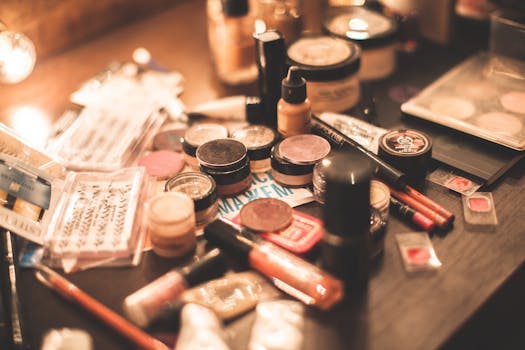
Various cosmetics and makeup products displayed on a vanity table. Ideal for beauty and fashion themes. Photo: Lina Kivaka / Pexels
Using expired beauty products isn't just about diminished efficacy; it poses significant risks to your skin and overall health. As a product ages, its chemical composition can change, leading to a breakdown of active ingredients and a potential increase in harmful bacteria. This is particularly true for products that come into direct contact with your face, eyes, and mouth. The consequences can range from mild irritation to severe infections, making it vital to respect beauty product expiry dates Canada. One of the most common issues is bacterial contamination. Every time you open a product, dip your fingers into a jar, or apply a brush, you introduce microorganisms. Over time, these bacteria can multiply, especially in water-based formulas, creating a breeding ground for pathogens. Using contaminated products can lead to skin infections, such as folliculitis or impetigo. For eye makeup, like mascara or eyeliner, the risks are even higher, potentially causing conjunctivitis (pink eye), styes, or corneal infections, which can be painful and, in extreme cases, affect vision. Even seemingly innocuous products like lip gloss can harbour bacteria, leading to cold sores or oral infections if used past their prime. Beyond bacterial growth, the active ingredients in skincare products can become unstable and ineffective, or even harmful. For example, antioxidants like Vitamin C can oxidize, turning a dark colour and losing their ability to protect the skin from free radicals. Retinoids can become less potent, rendering your anti-aging efforts useless. Sunscreens, which are regulated as drugs in Canada, are particularly critical; an expired sunscreen may not provide adequate UV protection, leaving your skin vulnerable to sunburn and long-term damage. These chemical changes can also trigger allergic reactions, redness, itching, or contact dermatitis, even if you've never had a problem with the fresh product. Furthermore, the preservatives in cosmetic formulations, designed to prevent microbial growth, also have a limited lifespan. Once these preservatives degrade, the product becomes even more susceptible to contamination. The consistency and texture of products can also change; foundations might separate, creams might become lumpy, and powders might harden. While these changes might seem purely aesthetic, they are often indicators of deeper chemical instability that compromises the product's safety and performance. Ignoring these signs and pushing past beauty product expiry dates in Canada is a gamble with your skin's health, and it's simply not worth the risk when the solutions are so straightforward.

Practical Guide to Extending and Identifying Expired Products

Various cosmetics and makeup products displayed on a vanity table. Ideal for beauty and fashion themes. Photo: Lina Kivaka / Pexels
While beauty product expiry dates in Canada are not always straightforward, there are practical steps you can take to both extend the life of your products and accurately identify when they've gone bad. Proper storage is paramount. Heat, light, and humidity are the primary enemies of cosmetic formulations. Storing products in a cool, dry, dark place – like a drawer or cabinet – away from direct sunlight and steamy bathroom environments, can significantly slow down degradation. Avoid keeping products on windowsills or directly under bathroom lights. Some delicate formulations, like those containing Vitamin C or probiotics, can even benefit from refrigeration, although always check the product's specific instructions. Airless pump dispensers are superior to jars as they minimize air exposure and bacterial contamination, thus extending the product's useful life. Always close lids tightly after use to prevent air and moisture from entering. Beyond storage, your application habits play a crucial role. Always wash your hands thoroughly before applying products, especially those that require dipping fingers into a jar. Better yet, use a clean spatula or applicator to scoop out products from jars, which can be cleaned and sanitized regularly. Avoid sharing makeup, particularly eye and lip products, as this is a direct route for transferring bacteria. For mascaras and liquid eyeliners, which are notorious for harbouring bacteria, consider replacing them every 3-6 months, regardless of the PAO symbol, as the pumping action introduces air and microbes with every use. Regular cleaning of makeup brushes and sponges is also non-negotiable, as dirty tools can reintroduce bacteria into your fresh products. Identifying an expired product often comes down to sensory clues. The first thing to notice is a change in scent. Many products develop an 'off' or rancid smell when they've expired, even if it's subtle. Next, observe the texture and consistency. Creams might become lumpy, watery, or separate into layers. Foundations might become streaky or change colour. Powders might harden or develop a chalky film. For lipsticks, look for a change in texture, a waxy smell, or 'sweating' (small beads of moisture). Mascaras will become clumpy and dry. If a product simply doesn't perform as it used to, even if it looks and smells fine, it might be past its prime. When in doubt, it's always safer to err on the side of caution and discard the product. Your skin will thank you for being vigilant about beauty product expiry dates Canada.

Top Mistakes Canadians Make with Beauty Product Expiry & How to Avoid Them
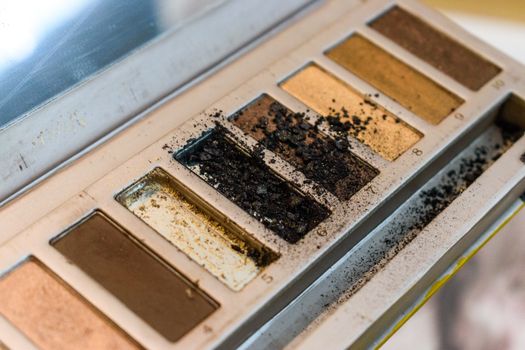
A detailed close-up of a makeup eyeshadow palette with visible powder and dust, highlighting a range of neutral colors. Photo: Diana ✨ / Pexels
Canadians often fall prey to common misconceptions and habits that shorten the lifespan of their beauty products or lead to the use of expired items. Avoiding these mistakes is crucial for maintaining both product efficacy and skin health. 1. **Ignoring the PAO Symbol:** Many consumers overlook the little open jar icon, or simply don't know what it means. This is perhaps the biggest mistake. The PAO is your most direct guide to a product's safe usable life once opened. *Solution: Make it a habit to write the date you opened a product on its packaging with a permanent marker. This simple act will prevent guesswork.* 2. **Hoarding Products:** The desire to stock up on sales or collect every new release is strong, but it often leads to an overwhelming collection where products expire before they're even opened or fully used. *Solution: Adopt a 'one in, one out' policy or limit purchases to what you can realistically use within its unopened shelf life (typically 1-3 years) and then its PAO period.* 3. **Storing Products in the Bathroom:** The bathroom's fluctuating heat and humidity create an ideal breeding ground for bacteria and accelerate product degradation. *Solution: Store most products in a cool, dark, dry place like a bedroom drawer or linen closet. Only keep items you use daily in the bathroom, and ensure they are well-sealed.* 4. **Sharing Makeup:** While seemingly harmless, sharing makeup, especially mascara, eyeliner, and lip products, is a direct route for bacterial transfer and cross-contamination. *Solution: Keep your makeup personal. If you must share for a specific event, use disposable applicators.* 5. **Adding Water to Dry Mascara:** This common hack to revive dry mascara is a dangerous practice. Adding water introduces bacteria and dilutes preservatives, turning your mascara into a potential eye infection hazard. *Solution: Replace mascara every 3-6 months, or sooner if it dries out. It's a small price to pay for eye health.* 6. **Not Cleaning Applicators:** Dirty brushes and sponges transfer bacteria to your products and directly onto your skin, compromising both. *Solution: Wash makeup brushes weekly and replace sponges regularly. This extends both your product's life and your skin's clarity.* 7. **Trusting 'Looks Fine, Smells Fine':** While sensory cues are important, a product can be contaminated or degraded internally before it shows obvious signs. Sunscreens are a prime example; they can lose efficacy without visible changes. *Solution: Combine sensory checks with adherence to PAO dates and manufacturing codes. When in doubt, throw it out.* By being mindful of these common pitfalls and adopting smarter habits, Canadians can ensure their beauty products remain effective, safe, and truly beneficial, making the most of their beauty product expiry dates Canada.

Comparison

FeaturePAO SymbolBatch CodeSensory CheckUnopened Shelf Life
PurposePost-opening safetyManufacturing dateImmediate spoilagePre-opening freshness
LocationOpen jar iconStamped on packageProduct itselfNot typically marked
Ease of UseVery easyRequires online toolSubjectiveEstimate based on product type
ReliabilityHighHigh (with checker)Medium (can be subtle)Varies greatly
Impact on SkinDirectly related to safetyIndirect (product age)Directly related to safetyIndirect (product age)

What Readers Say

"This article completely demystified beauty product expiry dates in Canada for me. I used to just guess, but now I know exactly what to look for with the PAO symbol. My skin feels so much better now that I'm not using old products!"

Sarah L. · Toronto, ON

"As a guy who's getting into skincare, I had no idea about cosmetic shelf life. This guide was incredibly helpful, especially the tips on storage. I've already purged a few questionable items from my cabinet."

Mark R. · Vancouver, BC

"I used to get random breakouts and couldn't figure out why. After reading this, I realized my mascara and foundation were way past their PAO. Since replacing them, my skin has cleared up significantly. This article saved my skin!"

Jessica M. · Calgary, AB

"Very comprehensive article on beauty product expiry dates Canada. I appreciate the detail on batch codes, although I wish they were easier to decipher without external tools. Still, a fantastic resource for any beauty enthusiast."

Chantel D. · Montreal, QC

"My wife always tells me off for keeping old products. This article gave me the facts I needed to understand why it's important. I'm now much better at organizing and tossing out expired items, even my beard oil!"

Ethan P. · Halifax, NS

Frequently Asked Questions

Are expiry dates legally required on beauty products in Canada?

No, Health Canada does not legally mandate expiry dates on most cosmetic products. Instead, manufacturers often use a Period After Opening (PAO) symbol to indicate how long a product is safe to use once opened, or provide batch codes that can help determine the manufacturing date.

What does the 'M' in the PAO symbol mean?

The 'M' in the PAO symbol (e.g., '6M', '12M') stands for 'months'. It indicates the recommended number of months a product can be safely used after its initial opening. For example, '12M' means it's best to discard the product 12 months after you first open it.

How can I tell if an unopened beauty product has expired?

For unopened products, look for a batch code, which is an alphanumeric sequence often stamped on the packaging. You can use online batch code checkers (from third-party sites, not official brand sites) to estimate the manufacturing date. Generally, unopened products last 1-3 years, but sensory changes are still key indicators of spoilage.

Is it worth the risk to use a product slightly past its expiry or PAO date?

While a day or two might not make a significant difference, using products significantly past their recommended dates carries risks. Efficacy can be reduced, and bacterial contamination can lead to skin irritation, breakouts, or infections. The potential cost of skin issues often outweighs the value of salvaging an expired product.

How do natural or organic beauty products differ in shelf life?

Natural and organic beauty products often contain fewer or milder synthetic preservatives, which can result in a shorter shelf life compared to conventional products. It's especially important to pay close attention to their PAO symbols and storage recommendations, as they may be more susceptible to bacterial growth once opened.

Who is most affected by using expired beauty products?

Anyone can be affected, but individuals with sensitive skin, acne-prone skin, or compromised skin barriers are particularly vulnerable to irritation and breakouts from expired products. Users of eye makeup (mascara, eyeliner) are also at higher risk for eye infections if products are used past their prime.

Are there any specific product types that expire faster than others?

Yes. Mascara and liquid eyeliner generally have the shortest PAO (3-6 months) due to repeated contact with the eye and air. Products with active ingredients like Vitamin C, retinoids, and AHAs can degrade faster. SPF products are crucial; always respect their expiry as an expired SPF may not protect you from the sun.

What is the future outlook for beauty product expiry transparency in Canada?

There's a growing consumer demand for greater transparency regarding product longevity. While current regulations are sufficient for safety, we may see more brands voluntarily adding 'best before' dates or clearer manufacturing date information as consumer awareness about beauty product expiry dates Canada continues to rise.

Don't let your favourite beauty products turn into skin hazards. By understanding beauty product expiry dates Canada, you can protect your skin and ensure every application is both safe and effective. Start checking your stash today and make informed choices for a healthier beauty routine.

Topics: beauty product expiry dates Canadacosmetic shelf life Canadamakeup expiry Canadaskincare expiry CanadaPAO symbol Canada
Leo List
Brampton weed
Adultwork